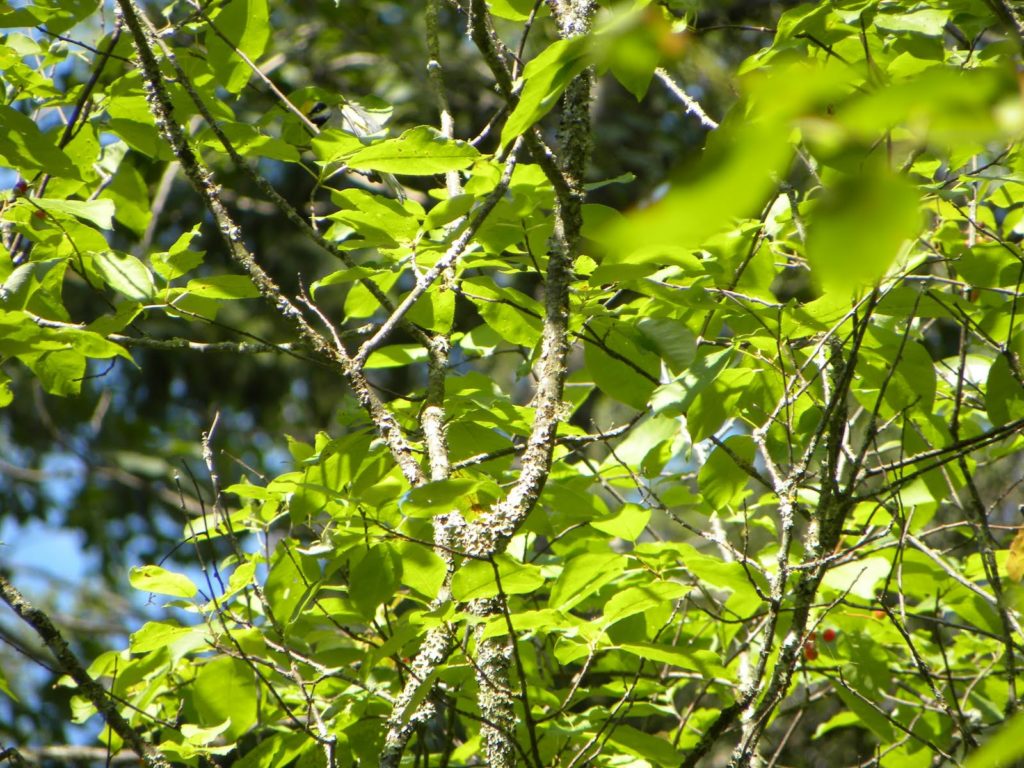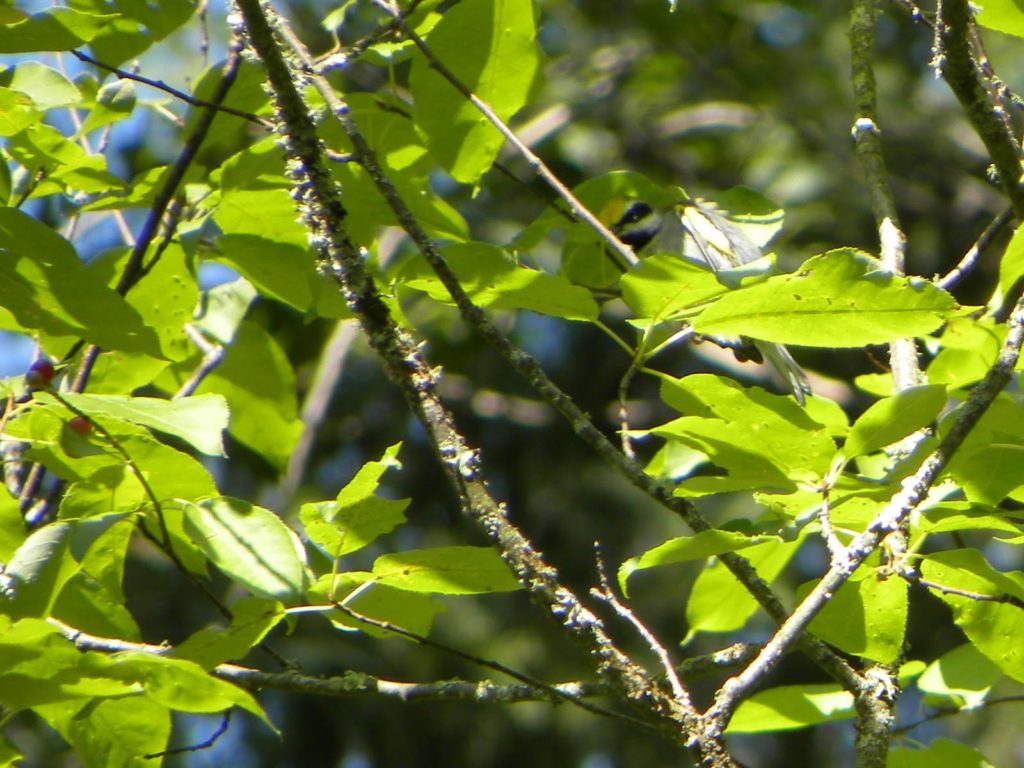
July was a good month for birds. Traveling through Colorado, Wyoming, South Dakota, North Dakota, and Minnesota, we saw Trumpeter Swans, Wood Ducks, Brown Creepers, Golden Crowned Kinglets, Golden Winged Warblers, and a Bobolink. Good variety. Here is the whole list:
| Canada Goose |
| Trumpeter Swan |
| Wood Duck |
| Mallard |
| Common Goldeneye |
| Common Merganser |
| Common Loon |
| Pied-billed Grebe |
| Western Grebe |
| American White Pelican |
| Double-crested Cormorant |
| Great Blue Heron |
| Great Egret |
| Black-crowned Night-Heron |
| Turkey Vulture |
| Osprey |
| Bald Eagle |
| Northern Harrier |
| Broad-winged Hawk |
| Swainson’s Hawk |
| Red-tailed Hawk |
| Ferruginous Hawk |
| American Kestrel |
| Killdeer |
| Spotted Sandpiper |
| Ring-billed Gull |
| Black Tern |
| Rock Pigeon |
| Eurasian Collared-Dove |
| Mourning Dove |
| Great Horned Owl |
| Common Nighthawk |
| Ruby-throated Hummingbird |
| Broad-tailed Hummingbird |
| Rufous Hummingbird |
| Belted Kingfisher |
| Red-headed Woodpecker |
| Yellow-bellied Sapsucker |
| Downy Woodpecker |
| Hairy Woodpecker |
| Northern Flicker |
| Western Wood-Pewee |
| Eastern Phoebe |
| Western Kingbird |
| Eastern Kingbird |
| Warbling Vireo |
| Red-eyed Vireo |
| Blue Jay |
| Black-billed Magpie |
| American Crow |
| Common Raven |
| Horned Lark |
| Purple Martin |
| Tree Swallow |
| Violet-green Swallow |
| Cliff Swallow |
| Barn Swallow |
| Black-capped Chickadee |
| Red-breasted Nuthatch |
| White-breasted Nuthatch |
| Brown Creeper |
| Rock Wren |
| House Wren |
| Marsh Wren |
| Golden-crowned Kinglet |
| Ruby-crowned Kinglet |
| Eastern Bluebird |
| Mountain Bluebird |
| American Robin |
| Gray Catbird |
| Brown Thrasher |
| European Starling |
| Cedar Waxwing |
| Golden-winged Warbler |
| Nashville Warbler |
| Yellow Warbler |
| Chestnut-sided Warbler |
| Yellow-rumped Warbler |
| Black-and-white Warbler |
| American Redstart |
| Common Yellowthroat |
| Spotted Towhee |
| Chipping Sparrow |
| Clay-colored Sparrow |
| Vesper Sparrow |
| Lark Sparrow |
| Savannah Sparrow |
| Song Sparrow |
| Lincoln’s Sparrow |
| White-crowned Sparrow |
| Dark-eyed Junco |
| Rose-breasted Grosbeak |
| Black-headed Grosbeak |
| Lazuli Bunting |
| Bobolink |
| Red-winged Blackbird |
| Western Meadowlark |
| Yellow-headed Blackbird |
| Common Grackle |
| Brown-headed Cowbird |
| Orchard Oriole |
| Bullock’s Oriole |
| House Finch |
| Pine Siskin |
| American Goldfinch |
| House Sparrow |
And to start off August, on Sunday, we got a lifer. A White Winged Scoter on Bemidji Lake! Now we have all three North American Scoters. Lucky us!