Roadside Hawk

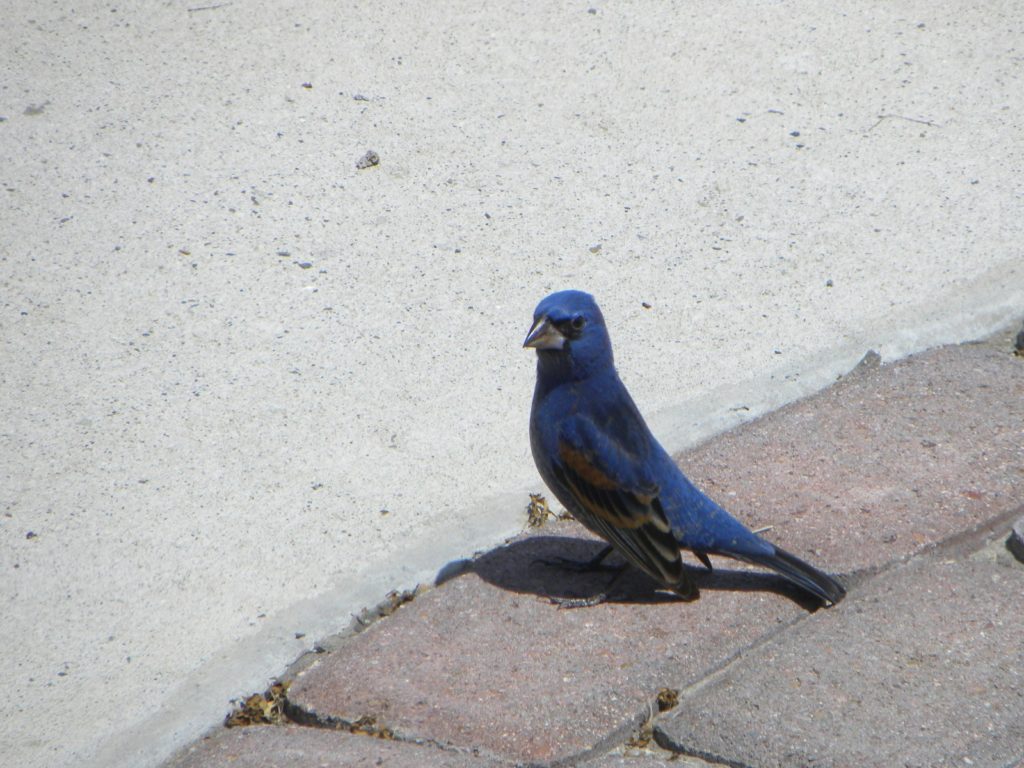
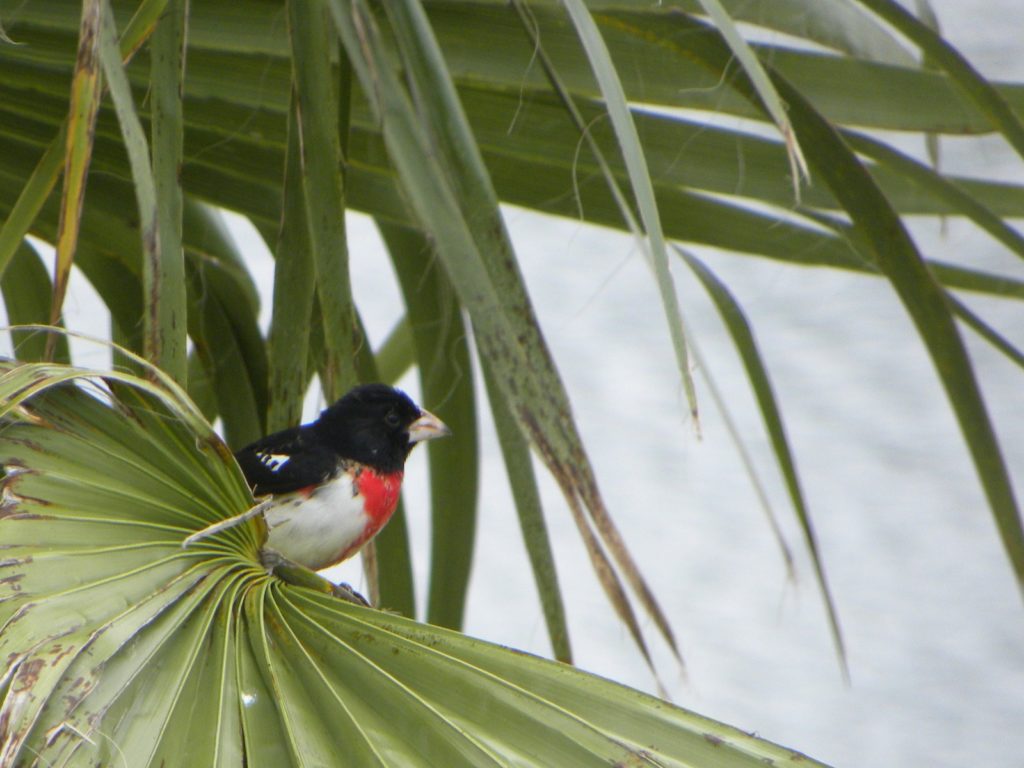
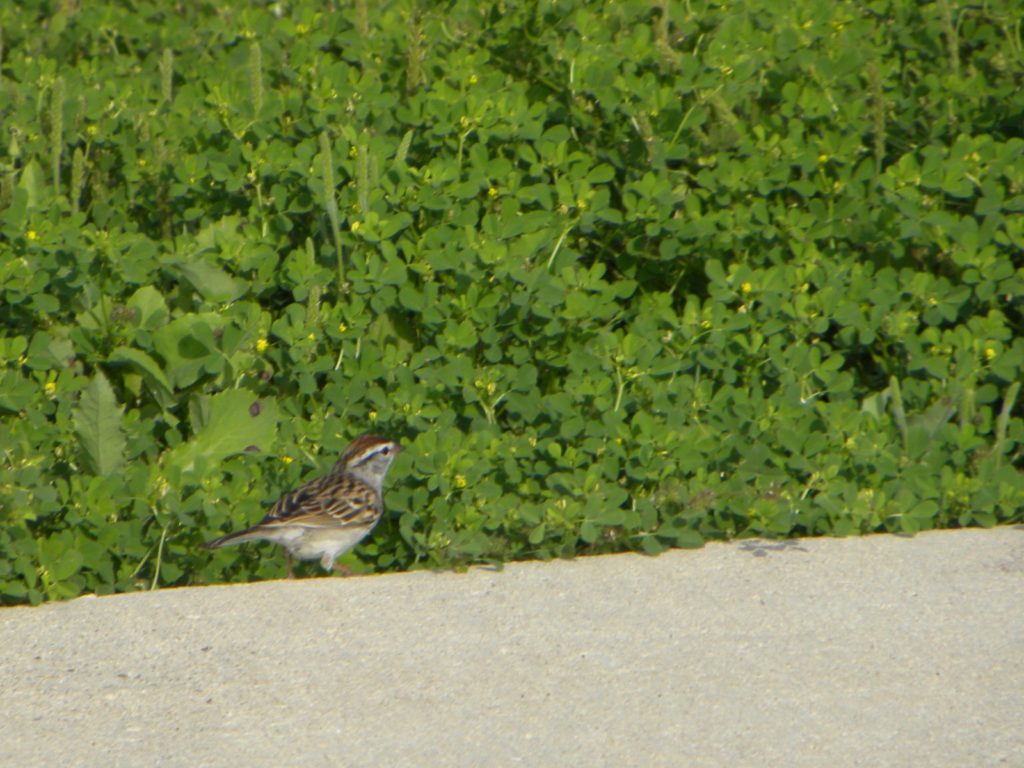
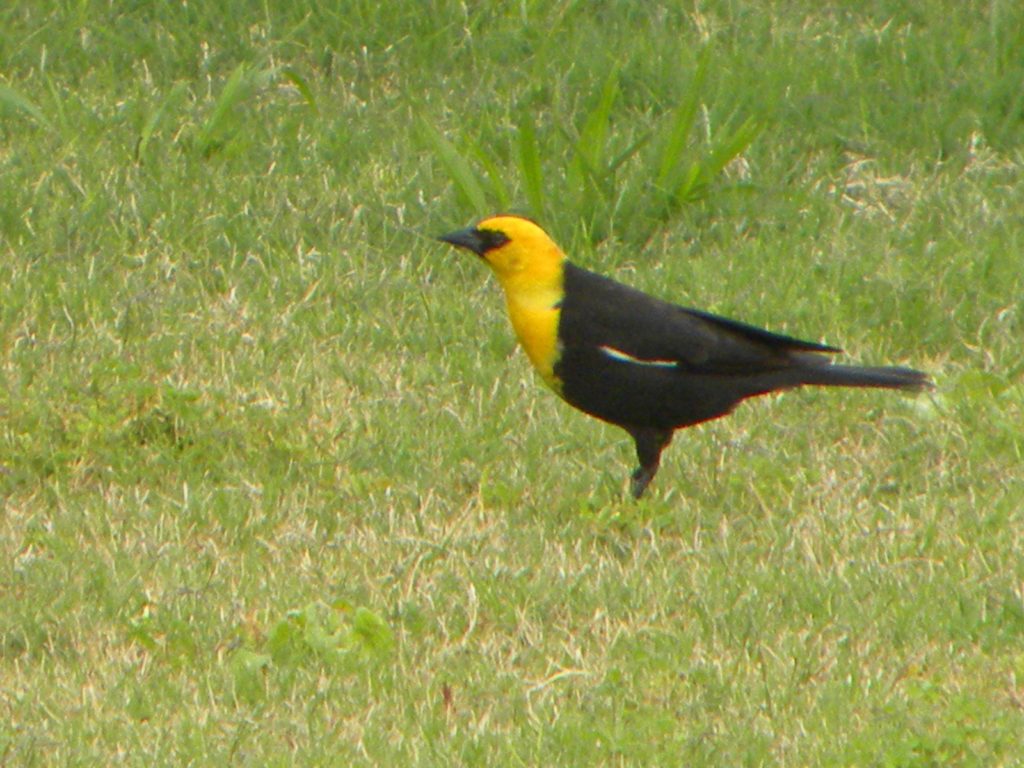
  There has been a Roadside Hawk in the Valley, at Frontera Audubon, for about a week.  It would be a good bird to get.  There aren’t many North American records for it.  This hawk normally doesn’t go north of Mexico.  It’s not even listed in our Sibley’s North American bird book.   So, this morning, we headed off to see the Roadside Hawk.  We stopped at Edinburg Scenic Wetlands first; walked the trails and saw a few birds.  From there we went to Quinta Mazatlan, an old adobe estate in McAllen, converted to a wildlife refuge.  It was closed because it’s Sunday, so we moved on to Frontier Audubon in Weslaco.  It was open.  At the reception desk our first questions were about where to find the hawk and when it was last seen.  This hasn’t been an easy bird to get, so we expected a rather generalized answer.  The answer we got was surprising specific.  She said “I can tell you exactly where it is.  Right about now it’s in a box headed north to the University of Texas where they’ll study and document the remains.”   It turns out a Great Horned Owl moved into the Frontera Audubon Thicket night before last.  Yesterday they found what was left of the Roadside Hawk on the ground under a tree.  The Great Horned Owl ate it.  Oh well.  Wild Kingdom.   We had a walk through the thicket anyway and got some more birds for the day.  We didn’t get anything terribly uncommon, but we picked up a couple new year-birds: the Wilson’s Warbler and the Plain Chachalaca.   Here is our list for the day.  Four hours; forty birds:  

Black-bellied Whistling-Duck edinburg scenic wetlands
Gadwall edinburg scenic wetlands
Blue-winged Teal edinburg scenic wetlands
Northern Shoveler edinburg scenic wetlands
Ruddy Duck edinburg scenic wetlands
Plain Chachalaca frontera audubon
Least Grebe edinburg scenic wetlands
Neotropic Cormorant edinburg scenic wetlands
Double-crested Cormorant edinburg scenic wetlands
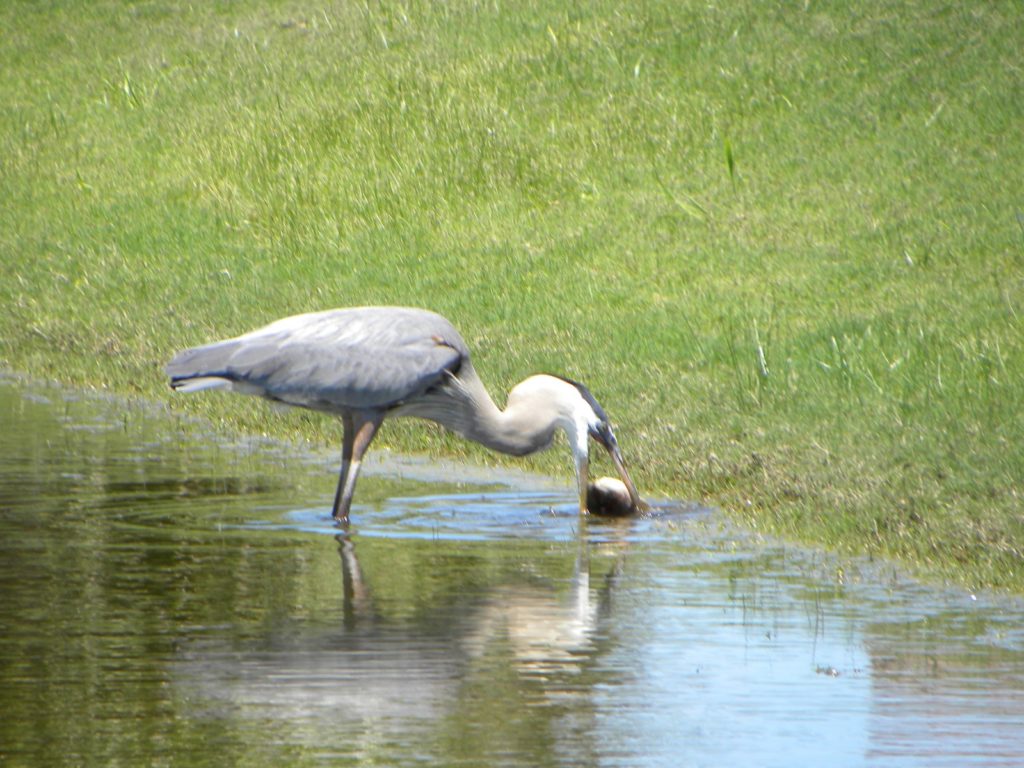
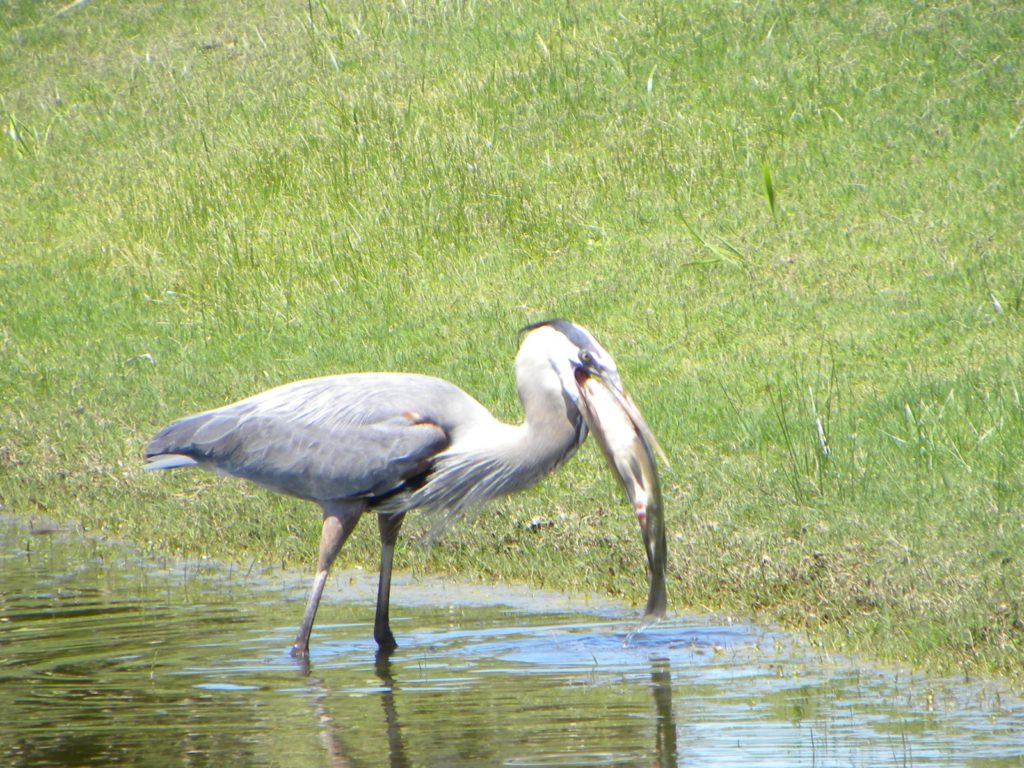
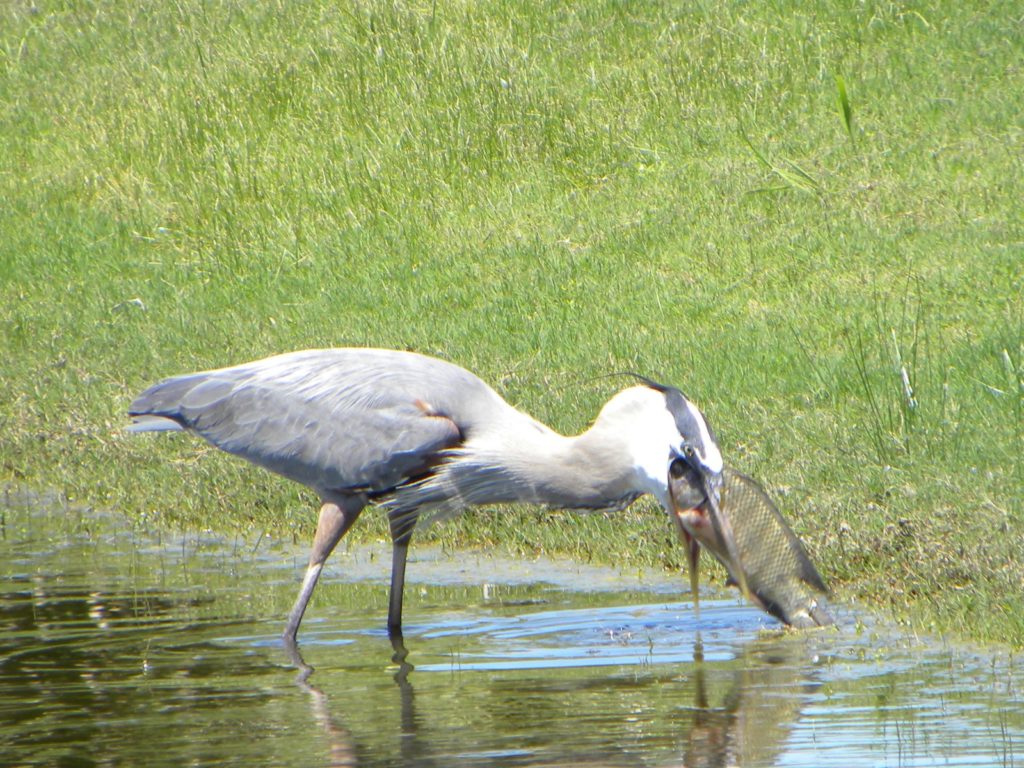
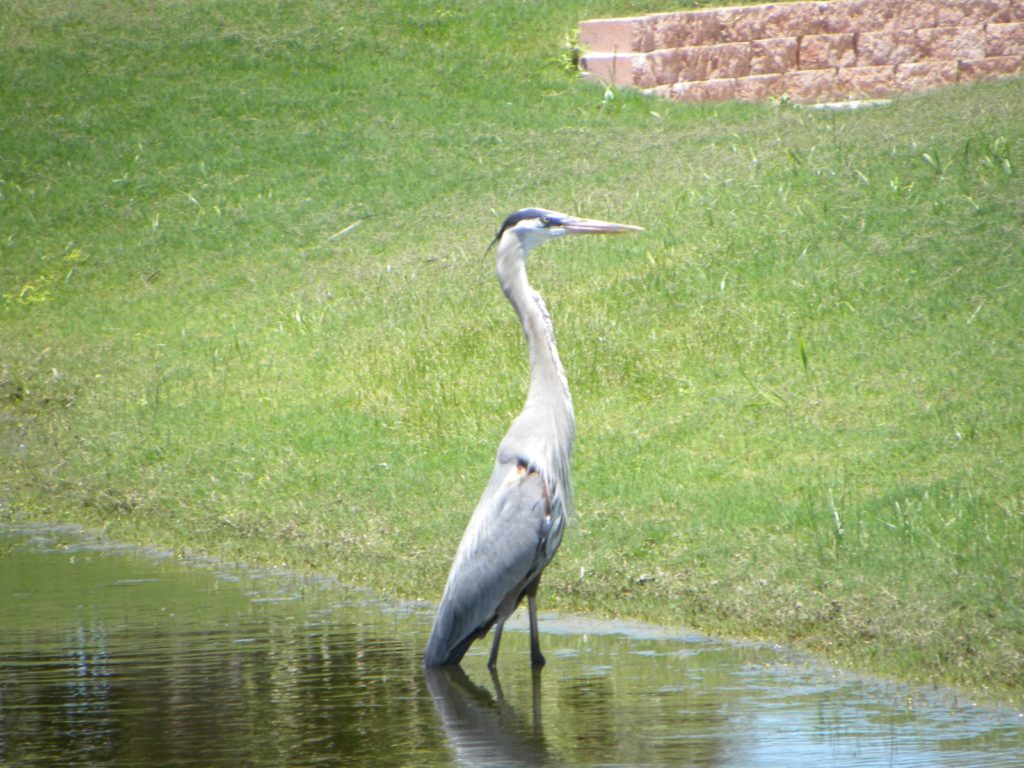
Great Blue Heron edinburg scenic wetlands
Great Egret edinburg scenic wetlands
Snowy Egret edinburg scenic wetlands
Cattle Egret edinburg
Cattle Egret edinburg scenic wetlands
Black-crowned Night-Heron edinburg scenic wetlands
Turkey Vulture edinburg scenic wetlands
Turkey Vulture frontera audubon
Red-shouldered Hawk frontera audubon
Crested Caracara edinburg
Common Moorhen edinburg scenic wetlands
American Coot edinburg scenic wetlands
Laughing Gull edinburg scenic wetlands
Rock Pigeon edinburg
Eurasian Collared-Dove edinburg
Mourning Dove edinburg
Inca Dove edinburg scenic wetlands
Inca Dove frontera audubon
Greater Roadrunner edinburg scenic wetlands
Belted Kingfisher edinburg scenic wetlands
Golden-fronted Woodpecker edinburg
Golden-fronted Woodpecker edinburg scenic wetlands
Golden-fronted Woodpecker frontera audubon
Ladder-backed Woodpecker frontera audubon
Great Kiskadee edinburg scenic wetlands
Couch’s Kingbird frontera audubon
Loggerhead Shrike edinburg
Black-crested Titmouse frontera audubon
Ruby-crowned Kinglet edinburg scenic wetlands
Blue-gray Gnatcatcher edinburg scenic wetlands
Northern Mockingbird edinburg scenic wetlands
Northern Mockingbird frontera audubon
Orange-crowned Warbler edinburg scenic wetlands
Orange-crowned Warbler frontera audubon
Yellow-rumped Warbler edinburg scenic wetlands
Wilson’s Warbler frontera audubon
Northern Cardinal frontera audubon
Great-tailed Grackle edinburg


Revenge of the knee

  The knee is better now.  So is the blood pressure and racing pulse.   The steroid shot that made the knee so much better so fast…  It hardly ever has any side effects…  Except when it makes your blood pressure 166/93 and pulse rate 119.  Light-headedness and a headach to go with it.  That was enough to prompt a call to the doctor for a follow-up.  The doctor advised us to give it some time and check back if it wasn’t better.   My pulse rate this morning was 56, less than half the rate Judy’s was at its high.  Happily, Judy’s pulse rate is now back down to 72.  That’s about normal for her.    

The 33rd America’s Cup

  Every four years or so, they race.  They’ve been doing this since 1851.  Typically, the teams sail almost traditional looking single hull racing yachts.  Each time, however, the winning team gets to make up the rules for the next competition.  This time, the competitors look radically different from previous generations of boats.  There will be a giant catamaran versus a giant trimaran capable of sporting a fixed vertical wing instead of a fabric sail; a wing that stands over 200 feet high (twice as big as the wing of a Boeing 747)!   http://www.americascup.com/en/lieu/valence-espagne/valencia-15-909   If you follow the links for “The Actors” and click on Alinghi or BMW Oracle, you get access to the teams and the boats and some spectacular photos:   http://www.americascup.com/en/acteurs/alinghi/presentation-55-43   http://www.americascup.com/en/acteurs/bmw-oracle/presentation-56-44   This America’s Cup is going to be totally different!   (It starts Monday and it’s only two or three races; the best two out of three.)  It’s going to be broadcast to the world, hundreds of millions of people, but I don’t know if they’ve settled on a U.S. television carrier yet.  It will at least be available live on the internet.    

Satellite dish follow-up

We’ve been in Harlingen, not because we wanted to be there, but because that’s where we needed to be to get the television satellite dish fixed. The part came yesterday. The rain stopped this morning. Ken, the repair guy, fixed the stuff on the roof, loaded updated software on the controller in the cabinet, and everything is fixed!
It’s odd the way some RV Parks are set up. They have cement pads, but you don’t park your rig on the pad, you park on the grass next to it and the pad is your patio. No problem, unless of course it rains for days.

An RV could get stuck trying to leave. That didn’t happen to us though. We just drove right out.

We have the month of February reserved at a different place down here in the valley, so off we went this afternoon to claim our spot at Sandpipers. We’ll stay here the rest of the month.

I made a new map link to show our winter travels:

http://maps.google.com/maps/ms?ie=UTF8&hl=en&msa=0&msid=107013362562471418011.00047ebbf84effdf77693&ll=27.488781,-97.514648&spn=4.160685,9.832764&z=7

More knee

  A visit to the orthopedist today.  The injury is probably a meniscus tear, but as a result of two previous knee surgeries in 1999 and 2002, Judy probably doesn’t have enough meniscus left to trim any more off.  A steroid shot to the knee calmed things down; at least for a while.  As long as the knee doesn’t lock up, there probably won’t be any surgery to fix it.  We’ll follow-up with the orthopedist in Corpus Christi next month if we need to.