Our plan worked well; a successful travel day. Cold, snowy, and icy in Golden. It took us a long time to leave. I spent some time on the roof trying to get enough snow and ice off the slide awnings that they would roll up at least part way before just bunching up the remaining fabric at the top of the slide room as it finished retracting. Dry roads from Denver to Pueblo, with the temperature rising thirty degrees. We pulled over at a rest stop, put the slides back out and let the rest of the snow and ice melt off the slide awnings before we continued on. The roads were still dry and the weather was warm, so we headed west for Canon City. It was snowing lightly there, but the roads were only wet, so we continued west into the mountains to Salida. Seven thousand feet, and temperature right at freezing, but partly clear, with only swirls of snow and only twenty-five miles to go to get to Villa Grove, so we turned south over Poncha Pass at nine thousand feet, which had only scattered patches of snowpack, into a windstorm on the other side. The wind blew great clouds of snow across the road causing sporadic whiteout conditions, which gradually subsided to dancing swirls of snow devils. We don’t recall ever seeing snow devils before. We thought those mini cyclones were only a hot weather summertime affair, but here they were, at twenty degrees, sucking up the snow into little vortexes (vortices?). Until the big one. Rising in the distance, we saw it from miles away, waiting for us, hungry for a motorhome. The snornado. We approached it cautiously. We didn’t want to mess with it. It was a hundred feet high. It could swallow us without a burp. We watched as it wandered off the road, and was fully a quarter mile away when we took our opportunity to pass it uneventfully. Now we’re in a deserted campground in the middle of nowhere, (also known as Villa Grove, Colorado), flocks of dark eyed juncos on the ground, at the north end of a hundred mile long valley, temperature in the teens, surrounded by snowy peaks, the snowclouds and blue sky locked in battle. So far, we’re going to have to call it a draw. We’ll let you know how it turns out.
Cochise stronghold


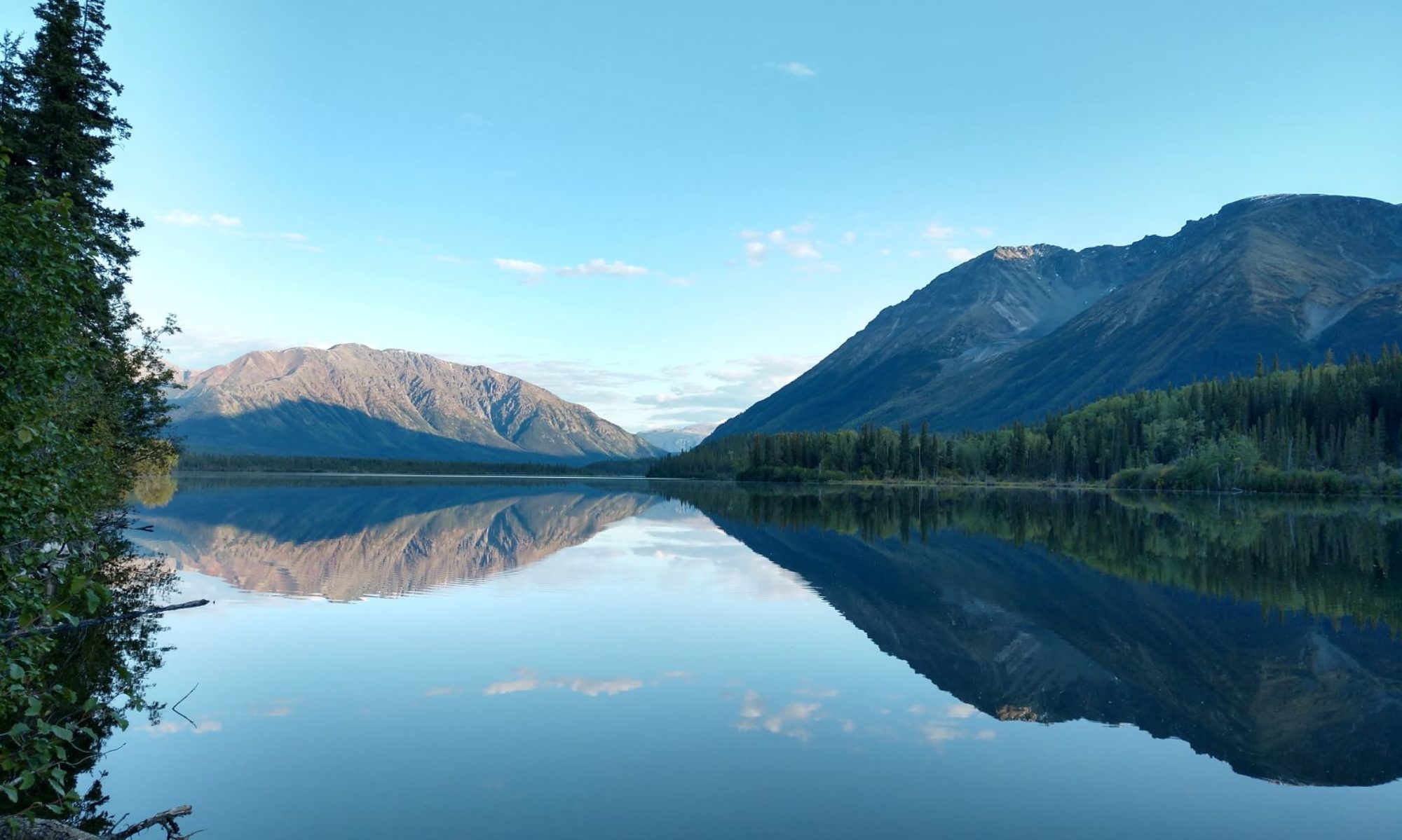
And the view when we were in the Dragoon Mountains, at Cochise Stronghold in Arizona.
Villa grove
Today, we got ready. Tomorrow, we leave for Villa Grove in the San Luis Valley. We work with a land trust there. Problem is, winter is happening in the high country. It’s March. Spring is almost here, but winter hasn’t left yet. We’ll drive south as far as Pueblo. From there it’s another 120 miles mostly west to get to the client. Judy can monitor upcoming road conditions on her computer while we’re driving. We’ll stop whenever conditions dictate. I can start work on the job, even if we’re not all the way there. That’s today’s plan, anyway.
Carbondale

We’re back to our house (the motorhome) at Dakota Ridge in Golden. It is so good to be home. But since we drove back and forth across the Continental Divide, you know what that means… One more picture. You know what it is. You can barely see it, but it’s there. Dillon Lake in the mist.
Carbondale
We left Carbondale. We drove the Jeep there and stayed in a hotel so we wouldn’t have to drive back and forth across the divide in the motorhome in bad weather. So, of course, the weather was just fine the whole time we were there. It was fine right up until it was time to leave. The weather we drove back to Denver in was the reason we didn’t take the motorhome there. Snow, teens, fog, whiteout, snowpack, slush, splashback. A driving adventure. It all cleared up right at Denver. Dry roads. No problem.