It’s interesting


…being married to Judy.  She talks to people.  She talks to people, and we end up in situations we’d otherwise never have been in.


One time, many years ago, even before Becky was born, we were at the Denver Zoo, and Judy struck up a conversation with the zookeeper at the big cat exhibit.  Next thing, it was feeding time and we were invited behind the scenes to see how it all worked from back there.  That was way cool.  It was primitive.  As sophisticated as the habitat looked from out front, this was meat being pushed through access holes and iron bars.  A big cat pouncing from just above us on a ledge, from out of our line of sight, to right next to us.  Very high startle factor.


I doubt such casual access would happen today.  Way too many procedures and protocols to keep everyone safe.  But what a neat thing to have happened then; getting to see how they moved all the animals around, and getting startled up close by a 500 pound Bengal Tiger.  One of those moments in life that has stuck with us.


I’ve been thinking about electric RVs again


Making an electric RV might be easier (more practical) than we’ve been thinking.  It doesn’t have to be solar powered, it could be an electric van conversion.  It would be heavier than a normal passenger van, so it wouldn’t have as much range, but that might not be as big a problem as it would first seem.  The places we like to camp most are state parks.  Many state parks have campgrounds suitable for RVs.  They don’t all have full hookups, but they all have an electric post and most of those have 50 amp service.  So a person, or family, could go from state park to state park and plug in at night to run their utilities and recharge their batteries.  Maybe the original electric passenger van has a 200 to 250 mile range.  The heavier RV conversion van might only have a 150 to 200 mile range.  But we know from experience that there are a lot of state parks no further apart than 150 to 200 miles.  If there were a gap between parks larger than that, there are plenty of commercial parks in-between, and they all have 50 amp service.  If a person were not in a hurry to cover a lot of miles every day, they could do a lot of camping without ever having to stop to recharge (on the ever expanding grid of charging stations).


Smaller all-electric RVs could be developed right now.  And all we need is one more generation of battery technology and that 200 mile range becomes 400 miles, and larger RVs become more practical too.


I have an office chair on rollers


It has a solid chair pad under it so it will move around easily.  It’s a good setup.


None of that actually matters though.  I still have to use it as a fixed position chair.  I can swivel it to get up and down, but I don’t get to roll it.  Every time I sit down to work, whether I notice or not, the little one glides in behind me and wraps herself around the wheels of the office chair to sleep. 


I’d rather use a chair that won’t move than startle her, or worse.


Just because


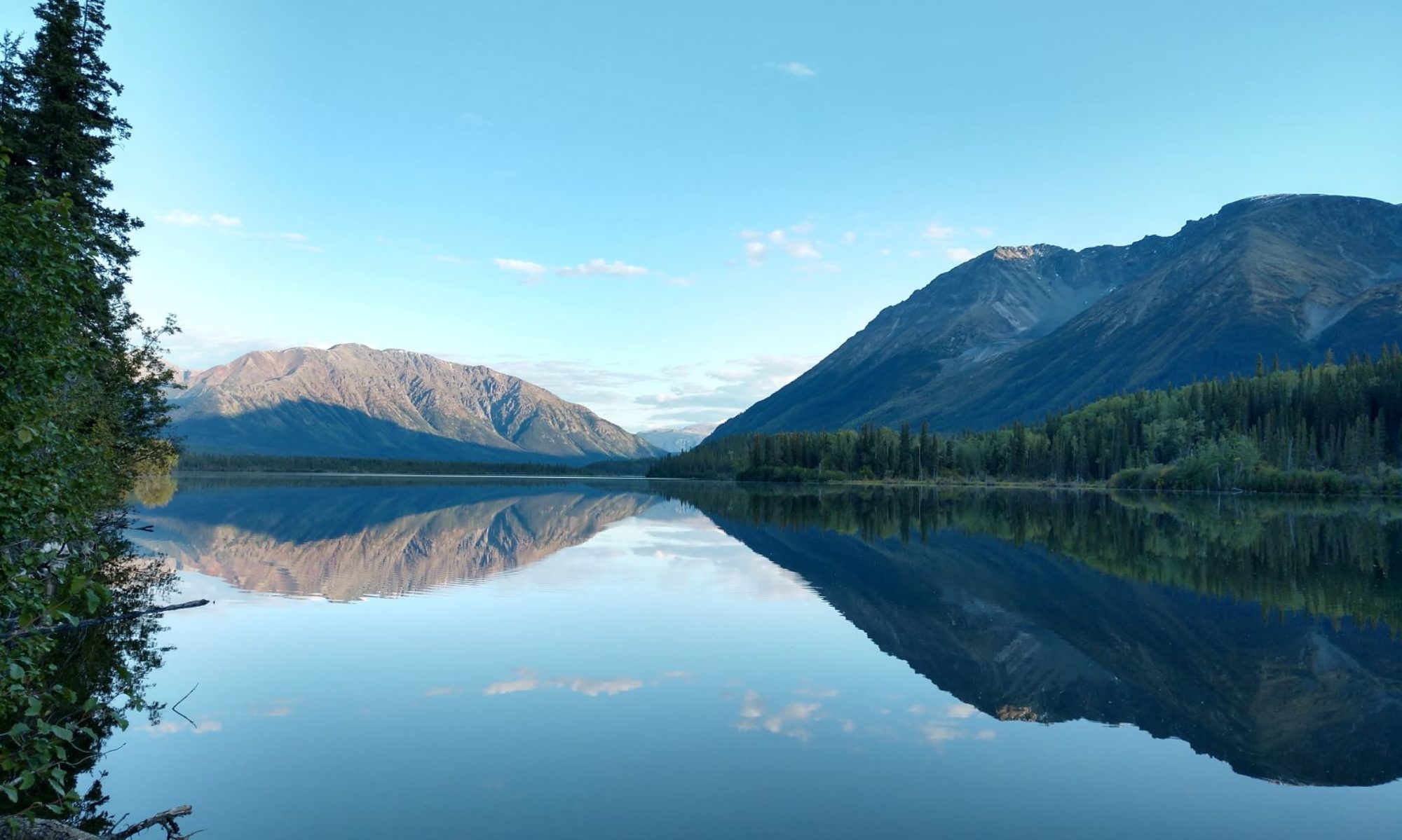
I like this photo of a local park.


It’s close to our dentist’s office.  I get my teeth cleaned, then I get in a two mile walk while Judy is getting her teeth cleaned.  A productive day.


I was just thinking


So many countries have been struggling with covid infections.  They shut down, they open up, a lot of people get covid, they shut back down.  They’re still having trouble, but at least by now a lot of people have either gotten vaccinated or have already had the infection.  There are less people likely to get infected each time.


That makes me wonder about a country like New Zealand.  They shut down and had zero tolerance for covid this entire time.  That has been a great success for the last two years, but does it make sense as a long-term strategy?  At some point in time, do they get to open back up and somehow stay covid-free?  Or did they just delay the inevitable rush of infections when they finally do open up and covid finds a new fresh fertile breeding ground?