Number 401


Decided which bird should be number 401 for the year.  Wood Stork.


Went to our can’t-miss wood stork spot here in the Valley yesterday.  Only 45 minutes away.  Tiocano Lake.  (It probably sounds familiar because that’s where we go to hear the King Rail in the middle of the night.)  Spent an hour there in the middle of the day.  Recorded 22 species of birds.  Not a single wood stork.  Here is what it would look like if we could see one.

(Not my photo.)


Here is what I think.  I know they’re there.  Maybe they go out to forage during the day and just come home in the evening to roost.  I checked, and the last people to report the wood storks were there for the King Rail, so it was right at dusk.  That’s our plan for next time.  Arrive before sunset and watch for them roosting or flying in.


Late breaking update.  Went there tonight at sunset.  Just as it was getting too dark to see, 40 of them flew right in over our heads!


Wood Stork.  Number 401.


Vincas


Vincas like our summer weather.


And whatever these are.


And happy gerber daisies.


Milkweed for the monarchs.


Even though that happens to be a queen butterfly on the milkweed right now.


400!


A morning walk at the Palo Alto National Battlefield.


Shortly after the admission of Texas as a state, there was a confrontation here in 1846 between the U.S. Army and the Mexican Army to settle the border dispute between the two countries and set the Rio Grande River as the agreed-upon border, and not the Nueces River which runs through Corpus Christi much farther north.  (The U.S. Army won, so where Judy and I live now is the United States and not Mexico, even though Mexico was here first.)


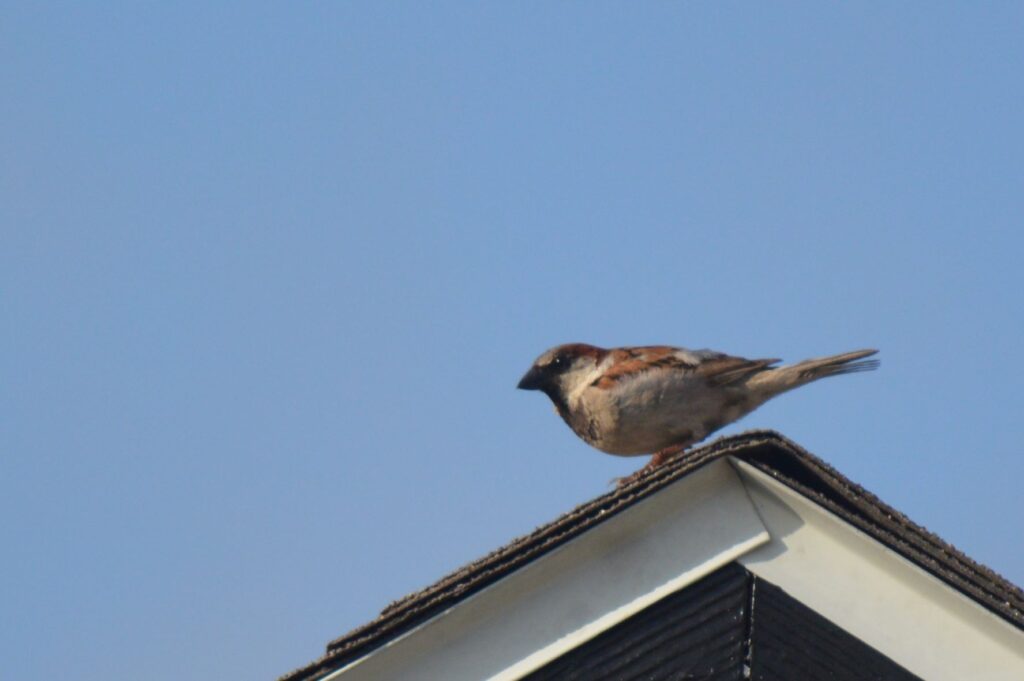
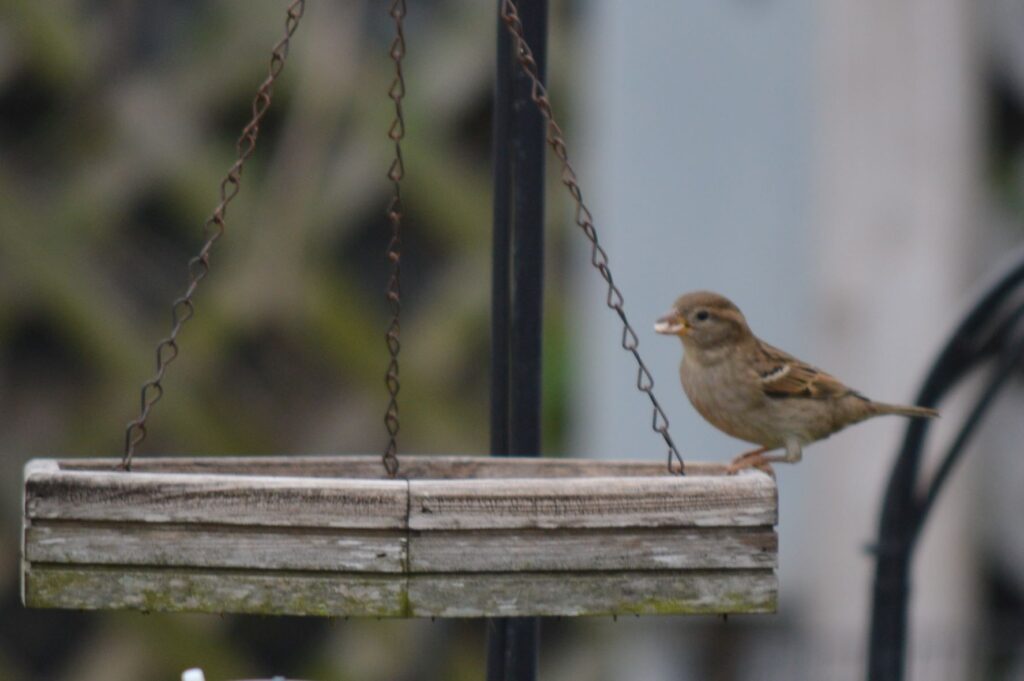
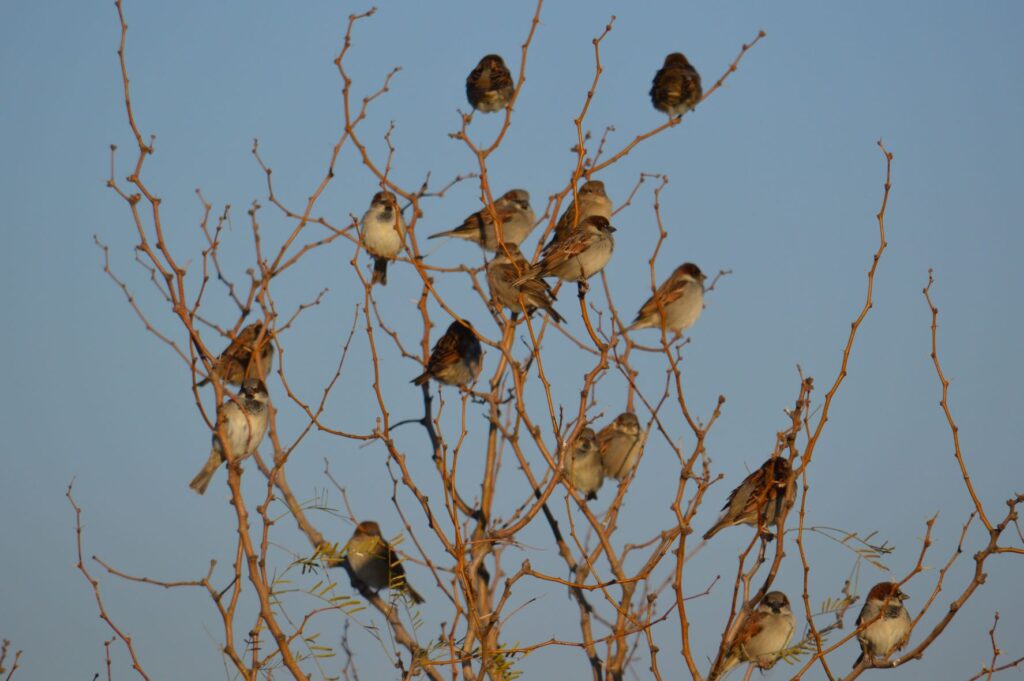
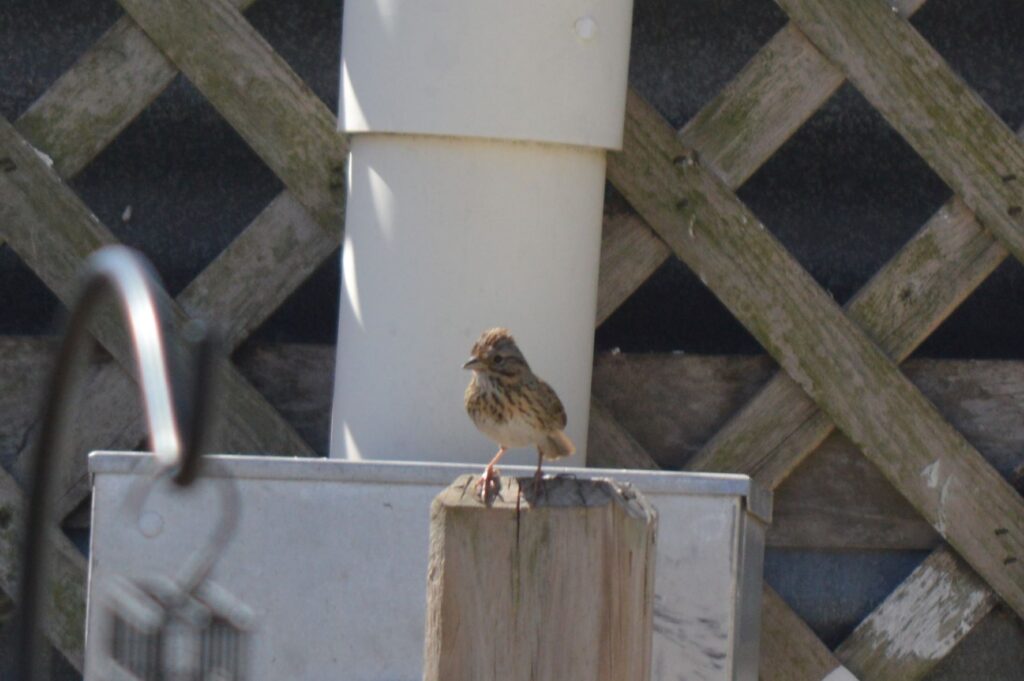
There are four species of sparrow that live here, and all like to hide in the grass; little brown birds that are very hard to see.  I got here early this morning to have the best chance of hearing the birds.  They’re hard to see, but easier to hear, and as a general rule, birds tend to be a lot more talkative before 9:00am than after.  This year we’ve seen the Lark and Olive sparrows already, so those weren’t target birds.  The two birds I was after, the Botteri’s Sparrow and the Cassin’s Sparrow were both in full voice.  Part of one bird’s song, for me, is reminiscent of the two-note song of a chickadee, so that bird was easy to identify.  The other has an accelerating sound like a bouncing marble dropped on a hard surface; like an olive sparrow, but a little faster and higher pitched.  A good use of time this Saturday morning.  Two new birds for the year, and only an hour away.  We hit the target.  400!


Now, I wonder which bird should be number 401…


Little birds


After I’ve looked and looked for a particular bird and it finally shows up, I sometimes find myself muttering under my breath “Thanks little bird.” ( Realize, I come from a house where we talk to inanimate objects, and tell Alexa “Thank you.”)  Whatever little bird I just saw didn’t have to ever show up where I happened to be looking, but that it did gave me great pleasure and probably did the bird no harm.  Even with the “thank you”, I realize there was likely no charitable motive on the bird’s part.


Watching a wildlife program a while back, I recall a scene where the person killed some grouse to eat.  As she was dismembering and plucking the carcasses, she solemnly recited a “thank you” for giving your life for my sustenance; that little recitation having been inspired by Native American tradition.  I’m not sure she got the subtleties entirely right.  Somehow, thanking a bird for involuntarily getting slaughtered and eaten just feels a little wrong.  If the bird had any control over that outcome, that person would still be hungry.