Hurricane Hanna


Wow.  That blew up fast from a tropical storm to a hurricane.  It has been out in the Gulf of Mexico over water that is 86 degrees.  Storms feed off the heat of a warm ocean.  It looked mighty well-defined this morning.


We’re well off the coast; sixty miles inland.  We’re at the blue pin in the map above if you can find it.  (Actually, we’re right where the blue pin is even if you can’t find it.)  We’ll get tropical storm force wind and rain, but the storm surge won’t get us.  Five or ten inches of rain forecast.  Maybe fifteen.  We’ll expect some flooding.  No worries though, we’ve got our pant legs pulled up.  We’ll be fine.


It’s already very stormy at the coast.  Here are some local television reports.


The pier at Port Aransas.


Bob Hall Pier South of Port A.  It’s coming apart a little.


Somewhere near Port A.


The Gulf water has already eaten up the beach at Port Aransas.  Now it’s starting on the dunes.


Mustang Island has a really good dune field though, so it will probably be fine.


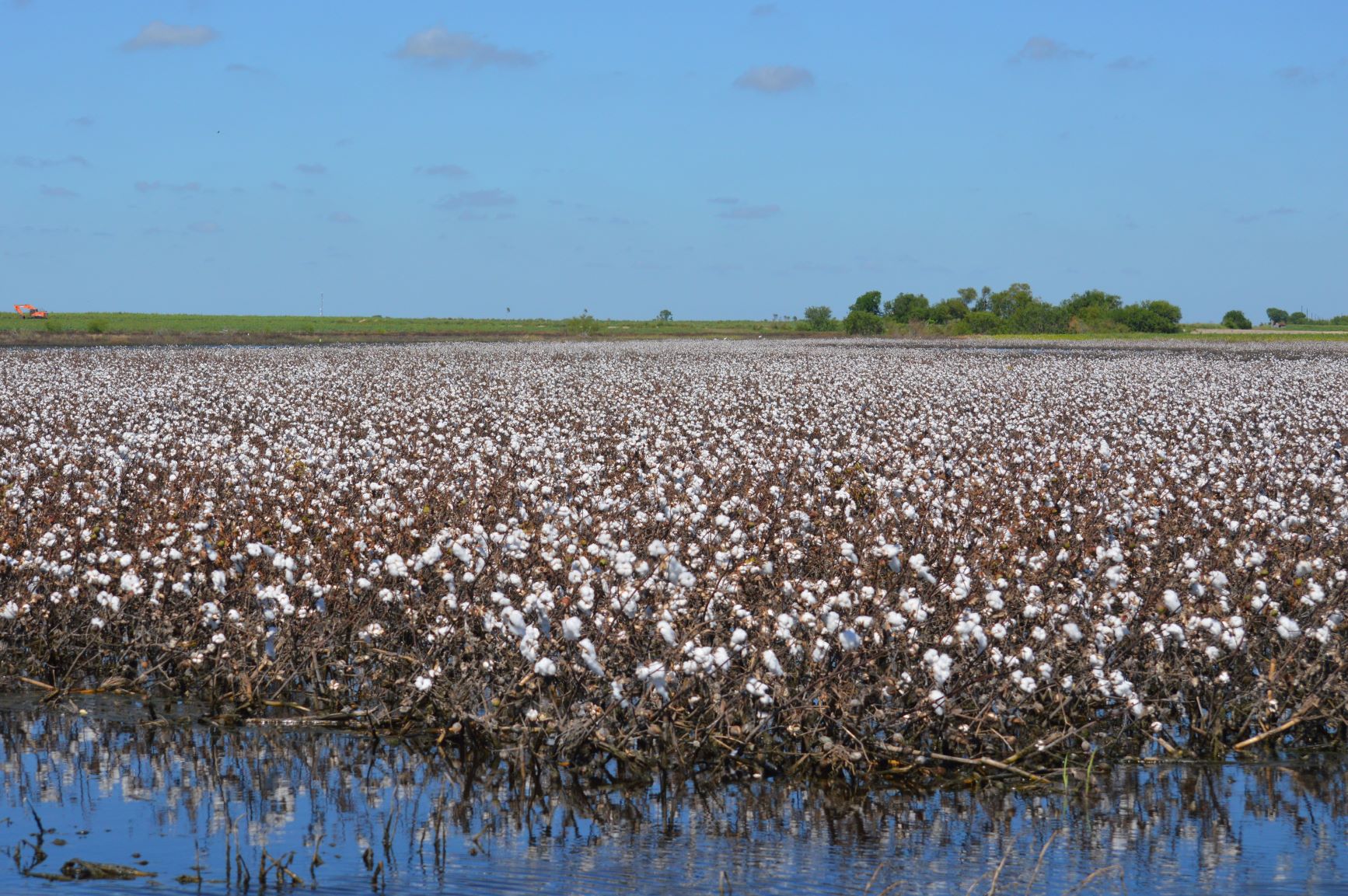
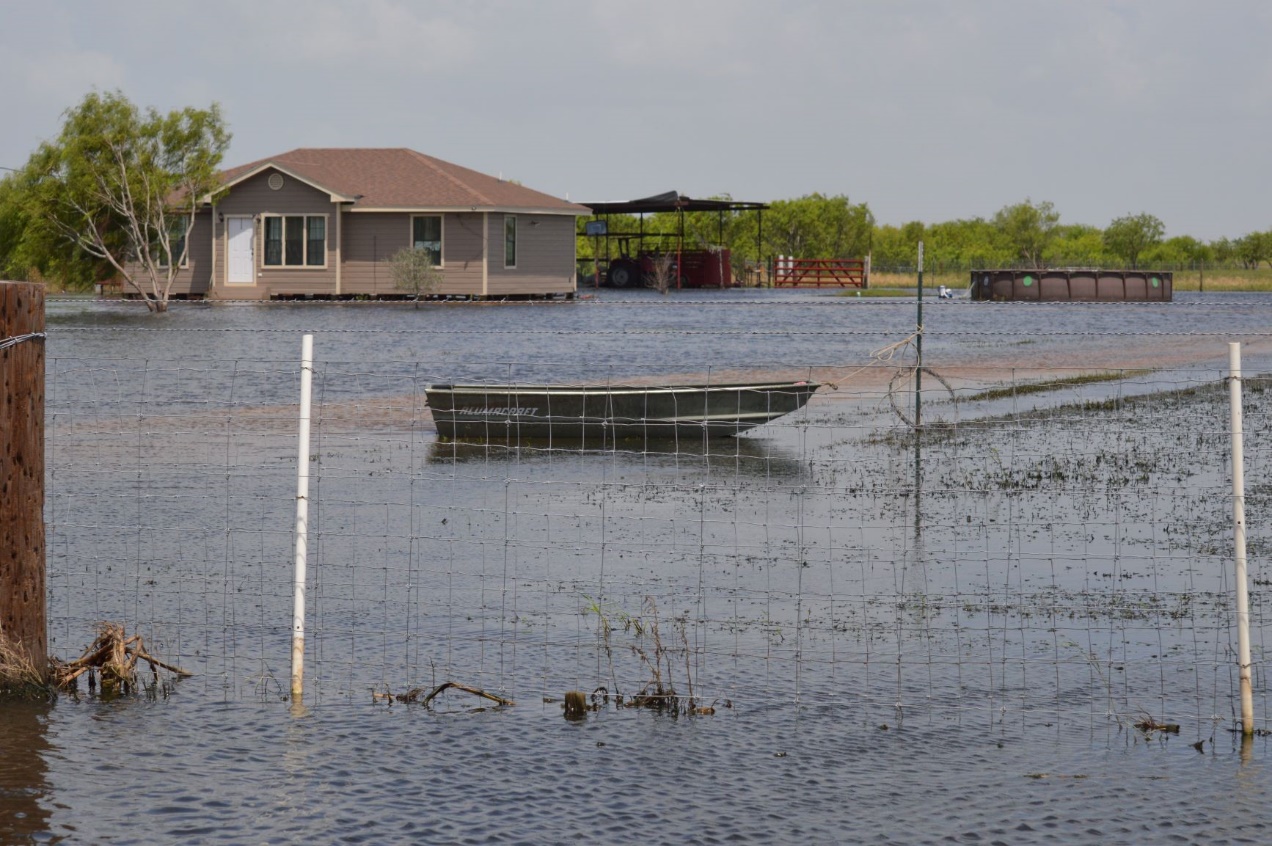
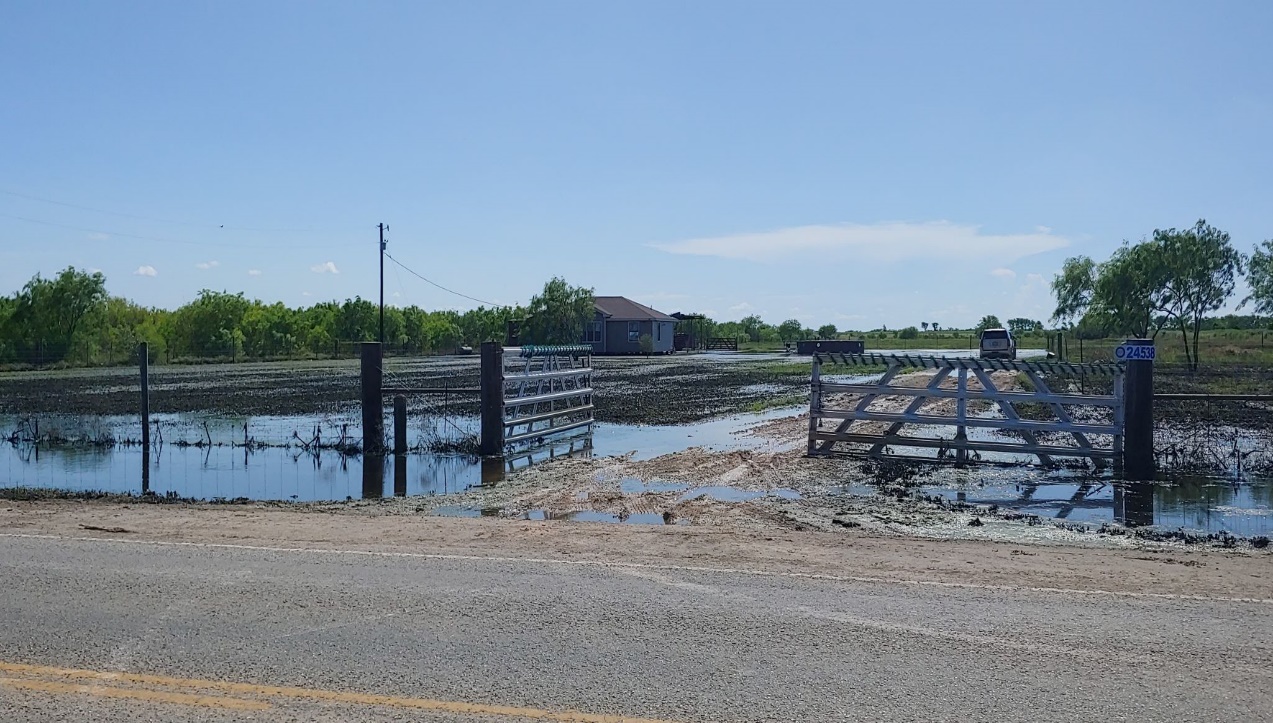
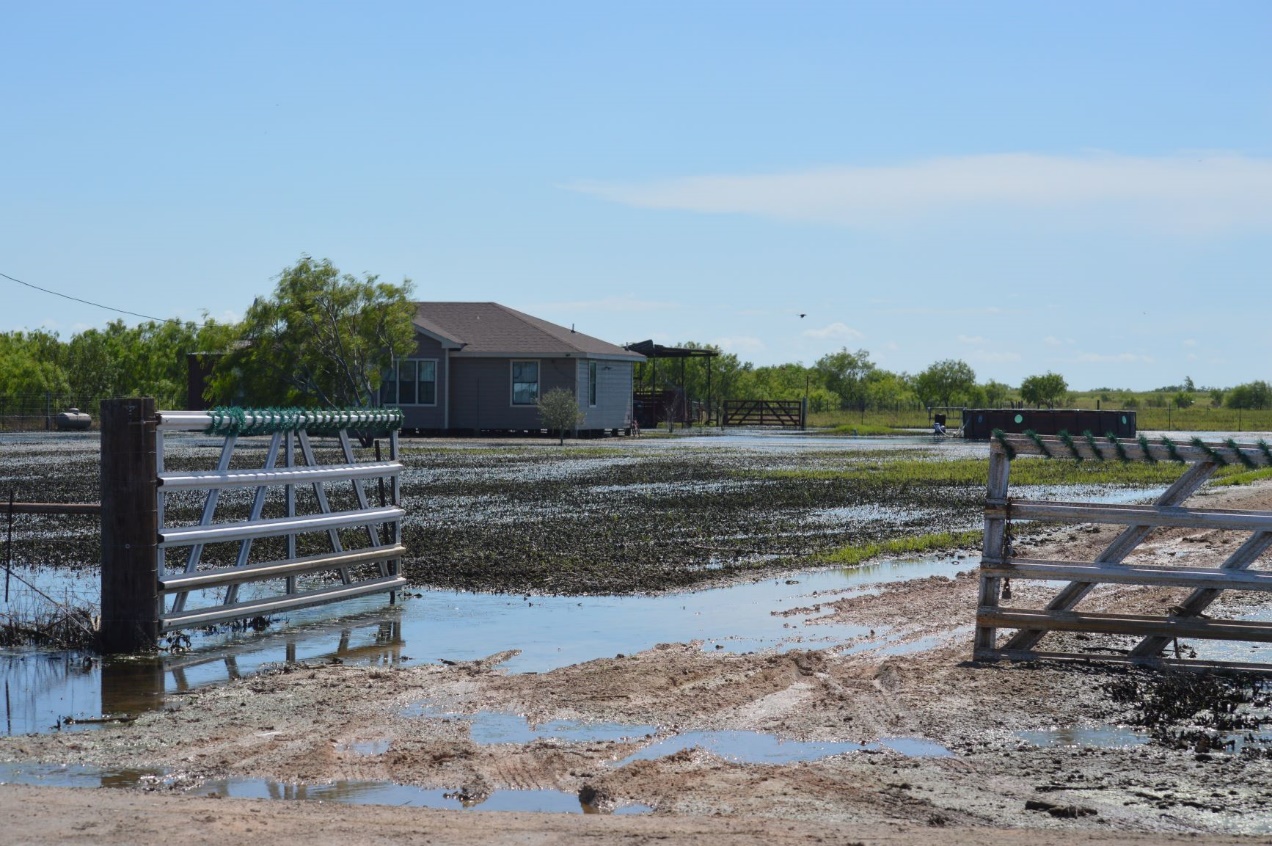
It’ll be interesting to see how our park holds water this year.  Previously, the water level continued to rise even after it stopped raining.  That suggests a drainage problem not just inside our park, but from outside the park as well if water keeps draining back in.  Since the last round of floods, there has been a public works project called the Raymondville Drain.  It’s supposed to drain the excess water from our area all the way to the Gulf of Mexico at Port Mansfield.  The new drainage project is far from done, but maybe the ditches they have been able to dig so far will make a difference.


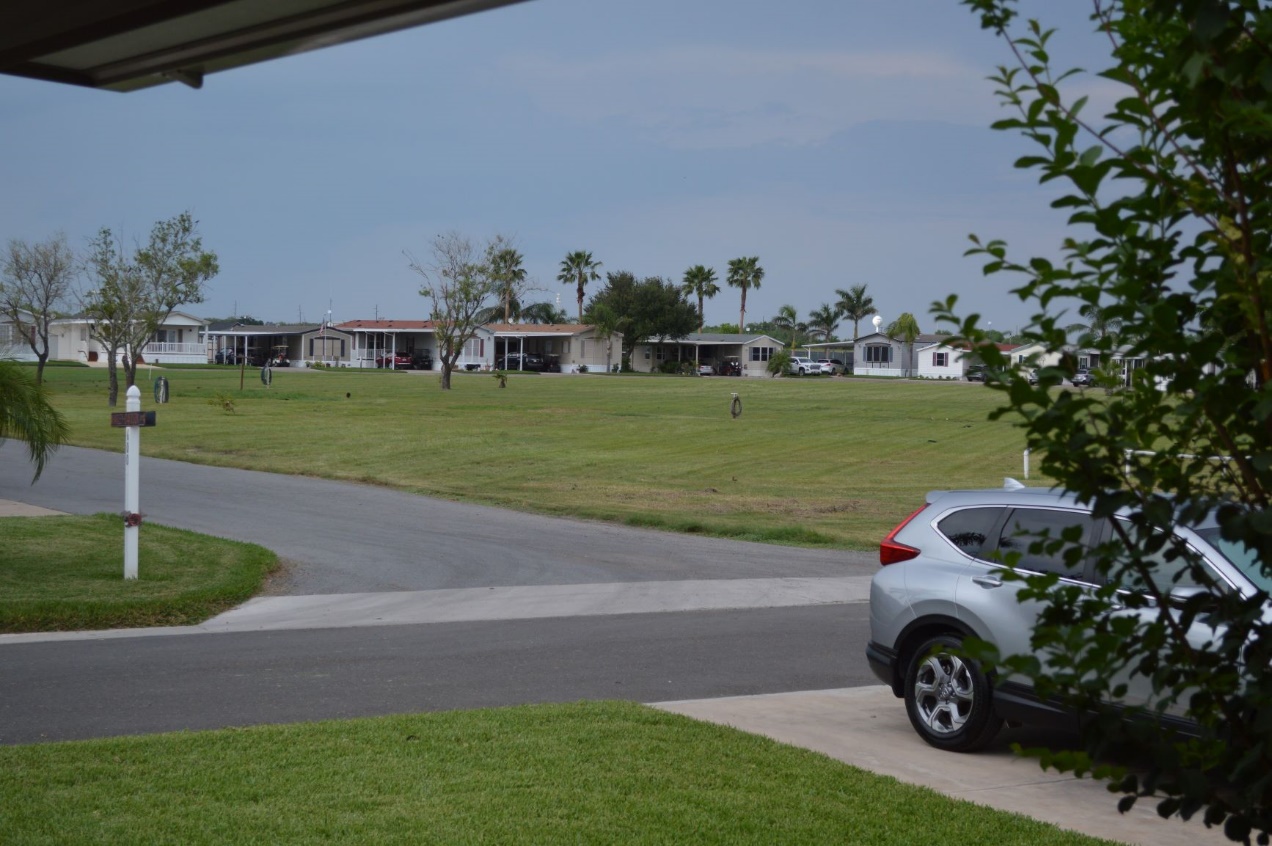
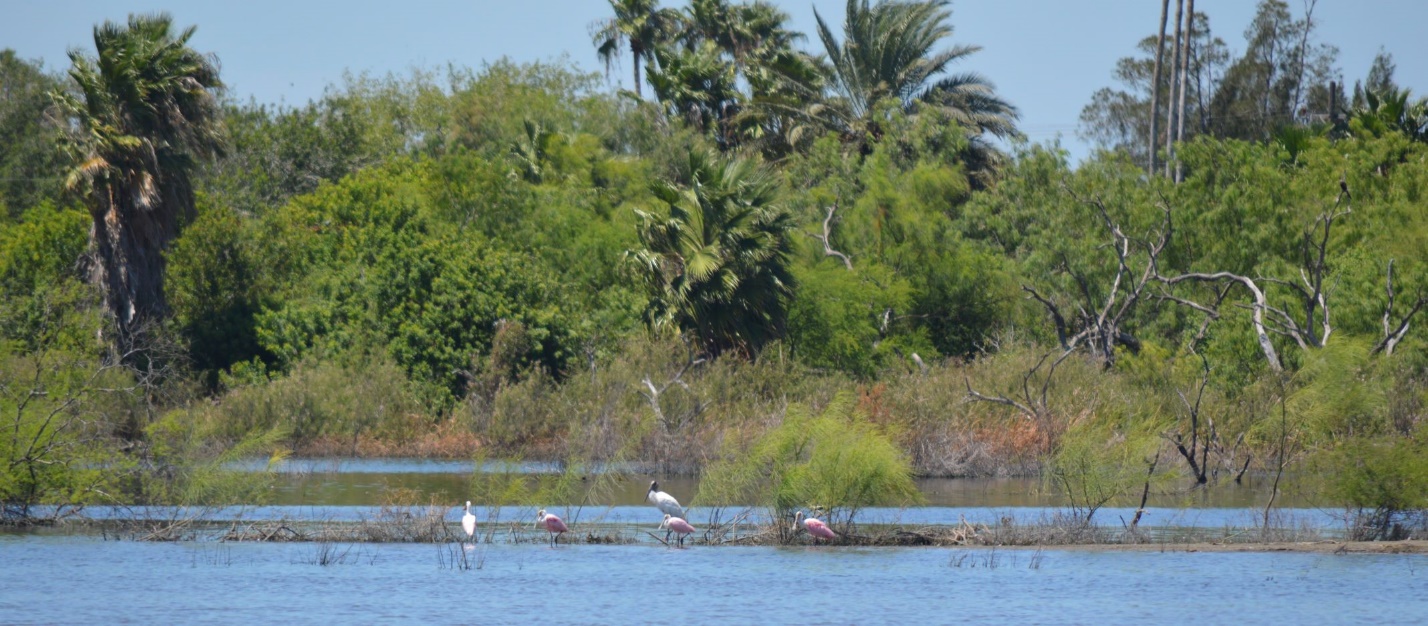
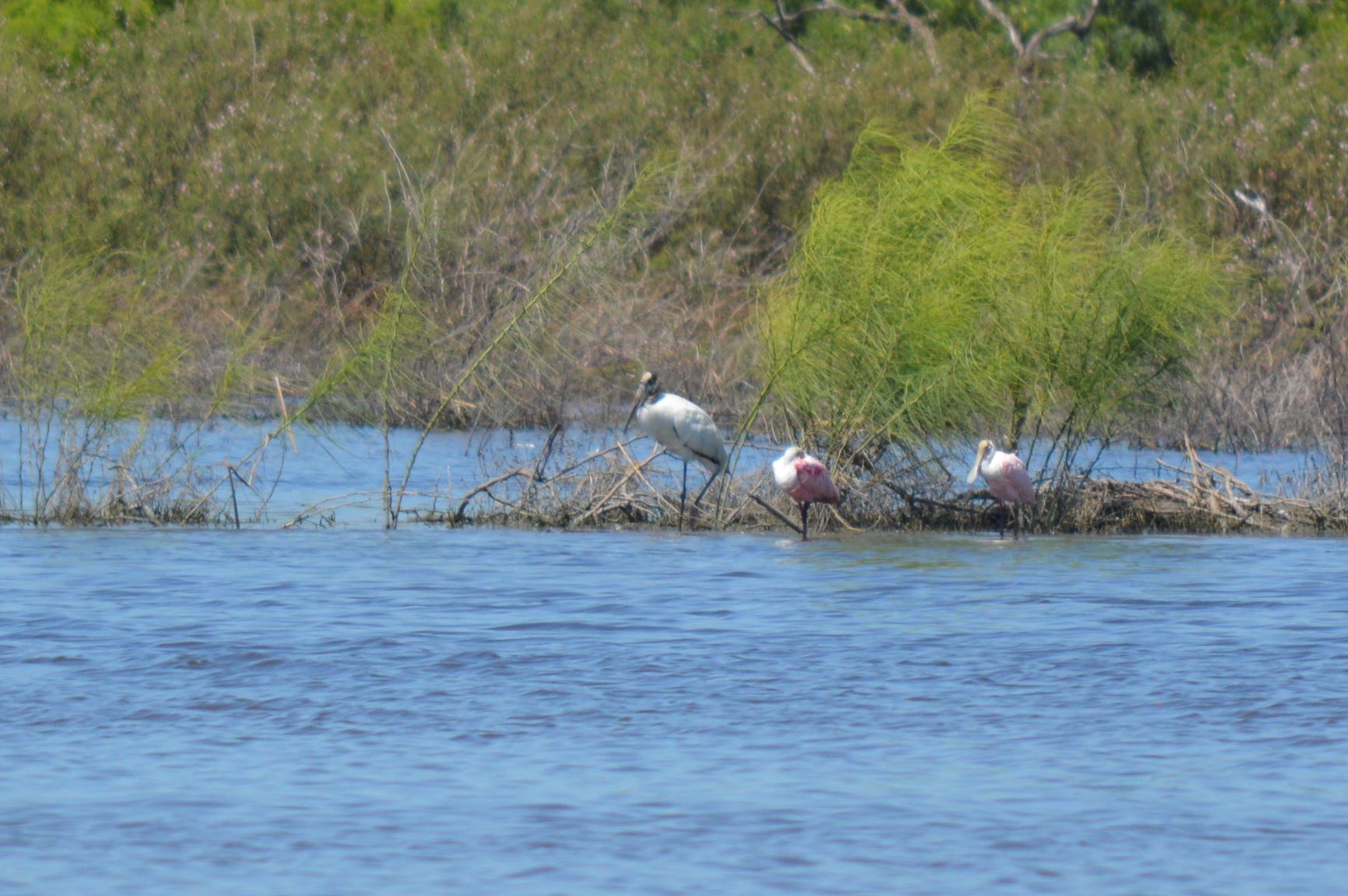
No sign of Lake Sandpipers yet.  It’s still a green-grass park.


Late-day update.  The hurricane has come ashore.


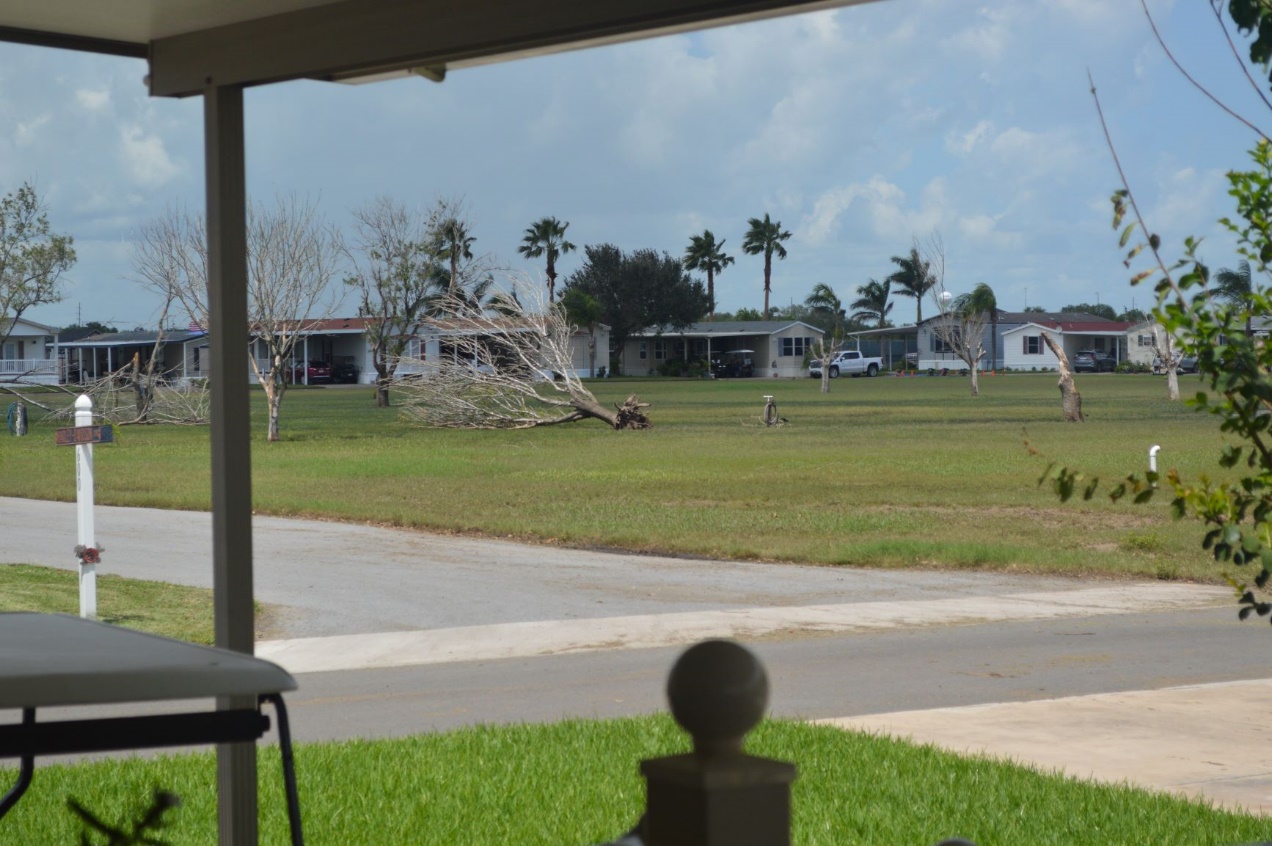
The wind and rain are here.  No flooding yet.


They’ve had 100mph gusts at the coast.  Rain at a rate of 4 inches per hour.  The wind is shaking our house now.  The power and television are blinking on and off.  It will be dark here soon.  The eye of the hurricane should pass right over us at about 11pm our time.


There’s a storm a comin


It’s out in the gulf.  Tropical storm Hanna.


It is projected to make landfall about Corpus Christi then bend south as it proceeds west.  That would take it right over us too.  Maybe 5 inches of rain over the weekend.  Maybe 10.  And tropical force winds.  We’re battening down the deck furniture.


FW: Physics Talk 5:30 Aspen Time Tonight


So far, to me, these physics talks seem to be directed more to other physicists than to the general public, unless of course, the general public understands a lot more physics than I do.  They’re pretty hard for me to follow.


This one about black holes looks like it’s got some potential for a general audience though.  Black holes.  You can’t see anything inside a black hole, so how technical could it be?


2020 Heinz R. Pagels Physics Talks

Please join us LIVE ONLINE TONIGHT

5:30 Aspen time (11:30 UTC) followed by an interactive Q&A


Jane Dai

University of Hong Kong


Giant Black Holes Devouring Stars: Extreme Cosmic Events Illuminating

Black Hole Spacetimes


In the center of every big galaxy, there is an enormous black hole with billions of stars orbiting around it. Astrophysicists want to study how these black holes grow together with galaxies throughout cosmic history and how they affect the surrounding spacetime. However, this is a hard task, since these black holes are usually dark and faraway. 


Recently, a lot of progress has been made in studying how such massive black holes can tear apart stars wandering too close. Such phenomena, called tidal disruption events, can produce very bright flares which temporarily illuminate the black holes. In this talk, Professor Dai will show how massive black holes destroy and eat stars, why general relativity is important in the whole process, and how the properties of massive black holes can be probed through such events. She will also discuss how the frontier of this research topic has been pushed forward by using modern telescopes and large-scale computer simulations.


Prof. Jane Dai is a theoretical astrophysicist working at the University of Hong Kong. She obtained her Ph.D. in physics from Stanford University in 2012. She was a joint postdoctoral fellow at Yale University and the University of Chile, and then a postdoctoral associate at the University of Maryland. She joined the Niels Bohr Institute in Denmark as an assistant professor before moving to Hong Kong. Her research interests include black hole accretion disks, jets, tidal disruption events, X-ray reverberation mapping, and computational relativistic astrophysics.


Introducer and Co-host: Peter Maksym, Harvard Smithsonian Center for Astrophysics


Join us next Thursday for

“Time Reversal Symmetry and Unconventional Superconductors“

with Aharon Kapitulnik, Stanford University


Aspen Center for Physics | 970-925-2585 | patty@aspenphys.org


Connect with us


Talks will be recorded and posted on our YouTube channel.


Aspen Center for Physics | 700 West Gillespie St., Aspen, CO 81611

Trusted Email from Constant Contact - Try it FREE today.


Muffin top


We didn’t want to trim the firebush, but it was getting too hard to walk past it.  The more we trimmed it though, the less flowers there would be for the hummingbirds that feed at it every day.


So we compromised.  I cut back just enough of the bush that we could walk past it to get to the back gate and left a muffin top.