A stakeout


Here I am, trying to get as many birds as I can in as few days as are left, and I end up on a stakeout.  I spent two hours last night watching for the Antillean Palm-swift where it has been appearing on Marathon Key, and got nothing.  Got a room, spent the night, and was back at it at 7:30 this morning.  The guy from Key Largo was already there.  The couple from Nebraska showed up a little later.  At 9:40, the swift appeared!  Year bird.  Life bird.  Antillean Palm-swift.  It is a rare bird; not often seen in the U.S .  It lives in the Caribbean:


Swifts are really fast and erratic flyers.  No way I could get a good shot as it screamed past at hyper-speed, but Harold from Key West did and was kind enough to forward a photo.


I love that about birding; instant community.  Thank you, Harold!


Worked my way back up The Keys.


Florida part of the trip map


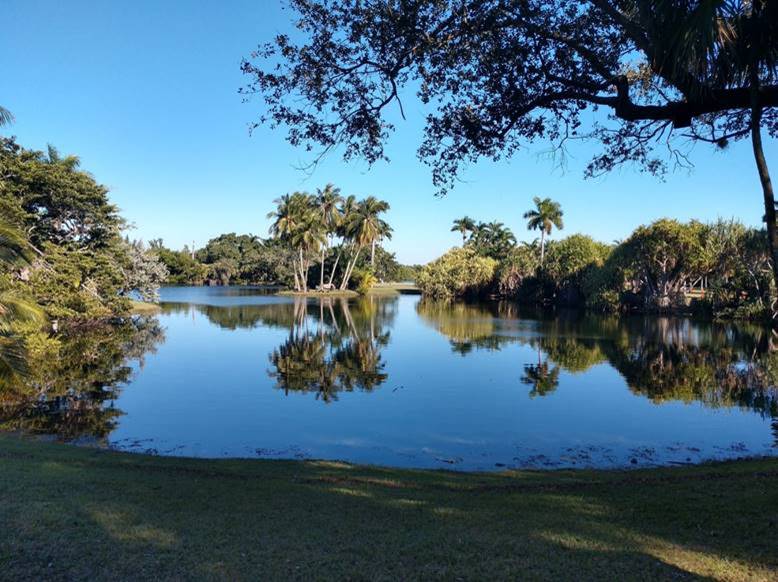
Saw some great scenery,


The Keys always make me think about Hemingway.


Had a close encounter of the manatee kind.  Saw what looked like a couple boulders partly exposed in the boat basin at the Deering Estate.  There aren’t supposed to be boulders in a boat basin.  Walked over to investigate and the boulder in front saw me, blew out through her nose,


…and swirled away.


The smaller one behind followed.  Mama manatee and her calf.


Didn’t add any more year birds to the list.


Done for the day, headed north back toward Ft Lauderdale on Interstate 75, driving attentively but still scanning for birds too, I glanced to the right from an overpass and there amongst a bunch of wading birds standing next to a canal, 15 wood storks!  I’ve been looking for that bird for four days!  A drive-by year bird!


Headed home tomorrow am.  The year bird count by day for this trip: 8,3,2,2. In that order.  The year-list stands at 465.  35 short.


Here is a video Judy just sent me of the puppies playing.


Henry and Jesse playing


Henry is safe on the couch; Jesse can’t get up there yet.


I forgot about the fog!


It has happened to us before here in Florida.  We have the next day all planned, then we wake up totally socked in by fog.  So I opened the hotel room drapes this morning and nothing.  Totally blank.  Not a hint of definition of anything outside.  I took a closer look.  I was looking at a wall outside my window.  I had checked in in the dark last night and didn’t notice that my only view was the broadside of a wall.  Nothing but diffuse indirect light could make it to the window.


No problem.  The day went on as planned.  I focused on big obvious birds in the swamps, like wood stork, limpkin, and purple gallinule.  I didn’t get any of them, but I did pick up three warblers, pine, black-throated blue, and American redstart.  I worked my way south to Homestead.  Tomorrow I’ll go thrash about in the Everglades and see what I can scare up.


And just when you thought we were through with the trip map…


Florida part of the trip map


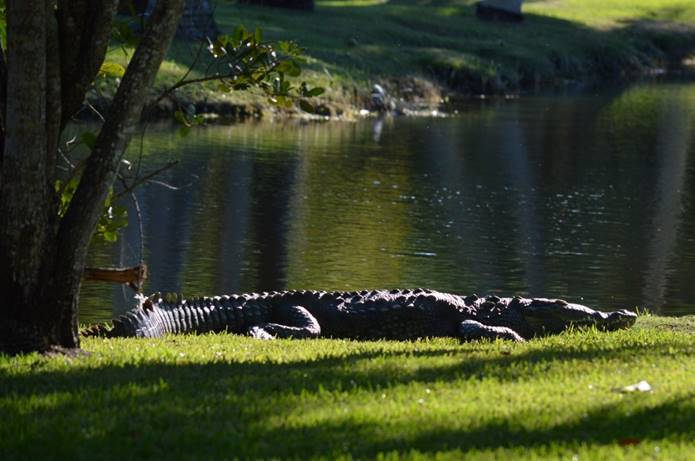
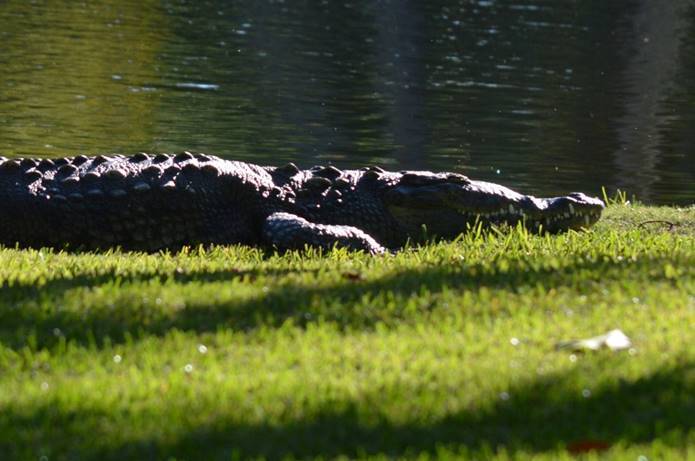
They have gators here in Florida too.  (Except their gators are crocodiles.)


If you zoom in on the face, you can see teeth that point both up and down.  That’s a crocodile.  If you only see the teeth that point down, it’s an alligator.


Monday


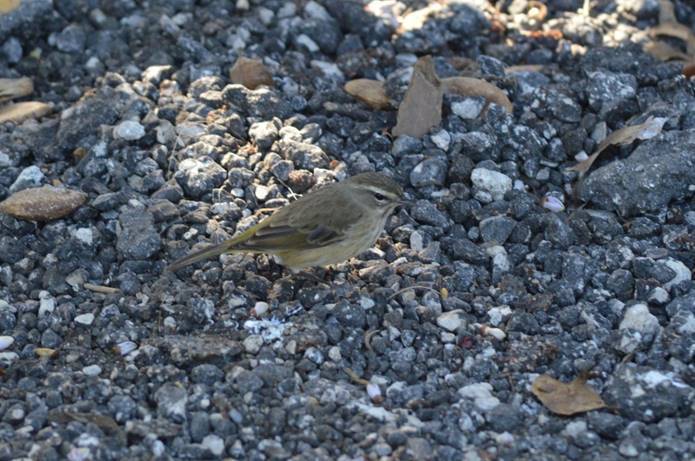
Saw a palm warbler.


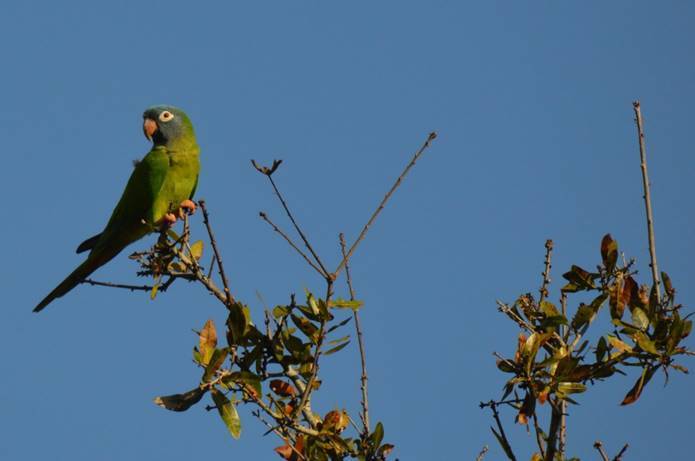
And a blue-headed parakeet.


Eight new birds altogether.


And some other stuff.


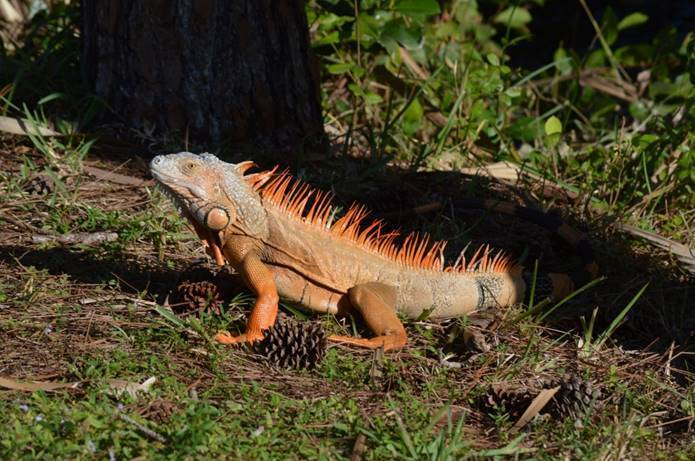
I know iguanas are not supposed to be here, it’s an invasive species, but they sure look cool.


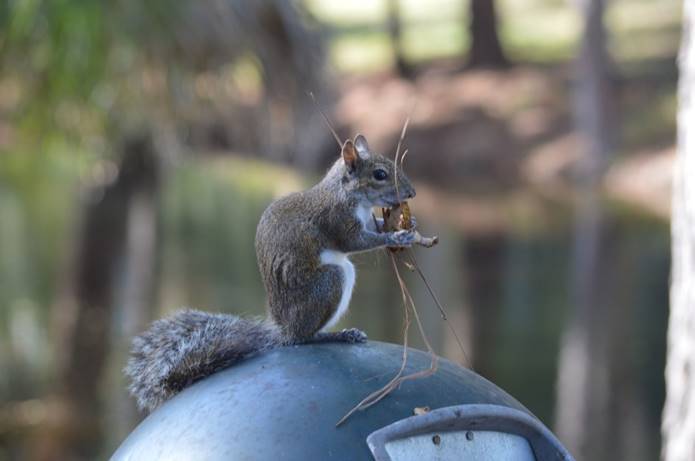
Squirrels are okay though, right?


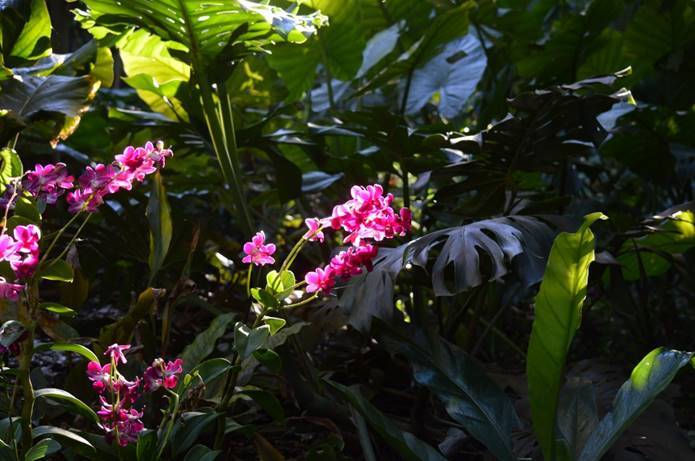
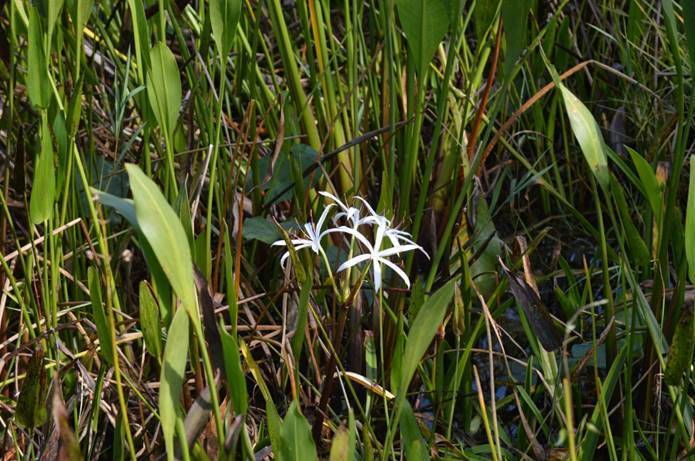
And flowers.


I thought it would be easy


We set a goal of seeing 500 bird species for 2019.  With all that territory we were going to cover, how hard could it be?  We returned home with 447 birds counted.  Since then we’ve added three more: spragues pipit, lilac crowned parrot, and white fronted parrot.  There are a few more birds in Texas we could chase, but there is no way to get another 50 birds from here.


The ABA (American Birding Association) lists all the 900+ species of birds (now that they’ve added Hawaii to their area it’s over 1,000) that have been recorded in North America.  Some birds, like house sparrows or pigeons, are everywhere.  They’re really easy to find.  Other birds, like Black-vented Oriole, or Red-legged Honeycreeper, only occur sporadically and are much harder to add to the list.  To help us sort through the difficulty, the ABA classifies all the birds in their area into six different categories: 1 and 2 being the easiest to find, 4 and 5 way less likely, and level 6 impossible, level 6 birds are probably all extinct.  If we just see all the category 1 birds in North America though, all the easy birds, that almost gets us to 500.  All we have to do is drive around and see all the easy birds everywhere, and a few of the ones that are slightly more difficult to find.  Simple!


So what happened?  What went wrong?  Why are we only at 450 species for the year?


We missed a couple important habitats.  Birding wasn’t really the focus for a lot of the year.  We just drove where we wanted to go to do what we wanted to do.  We didn’t drive down the West Coast south of Seattle to Southern California.  We didn’t visit the east coast north or south of Long Island.  If we really wanted a big year count, we’d have to plan our trips more around birding.


And so it comes to this:  Admit defeat or make an heroic effort.  Well, desperate times call for desperate measures!  I’m in South Florida tonight, spending frequent flyer miles, hoping to do some damage to the year-bird list.  Time to knock off a habitat we haven’t been to yet and see where that puts us!