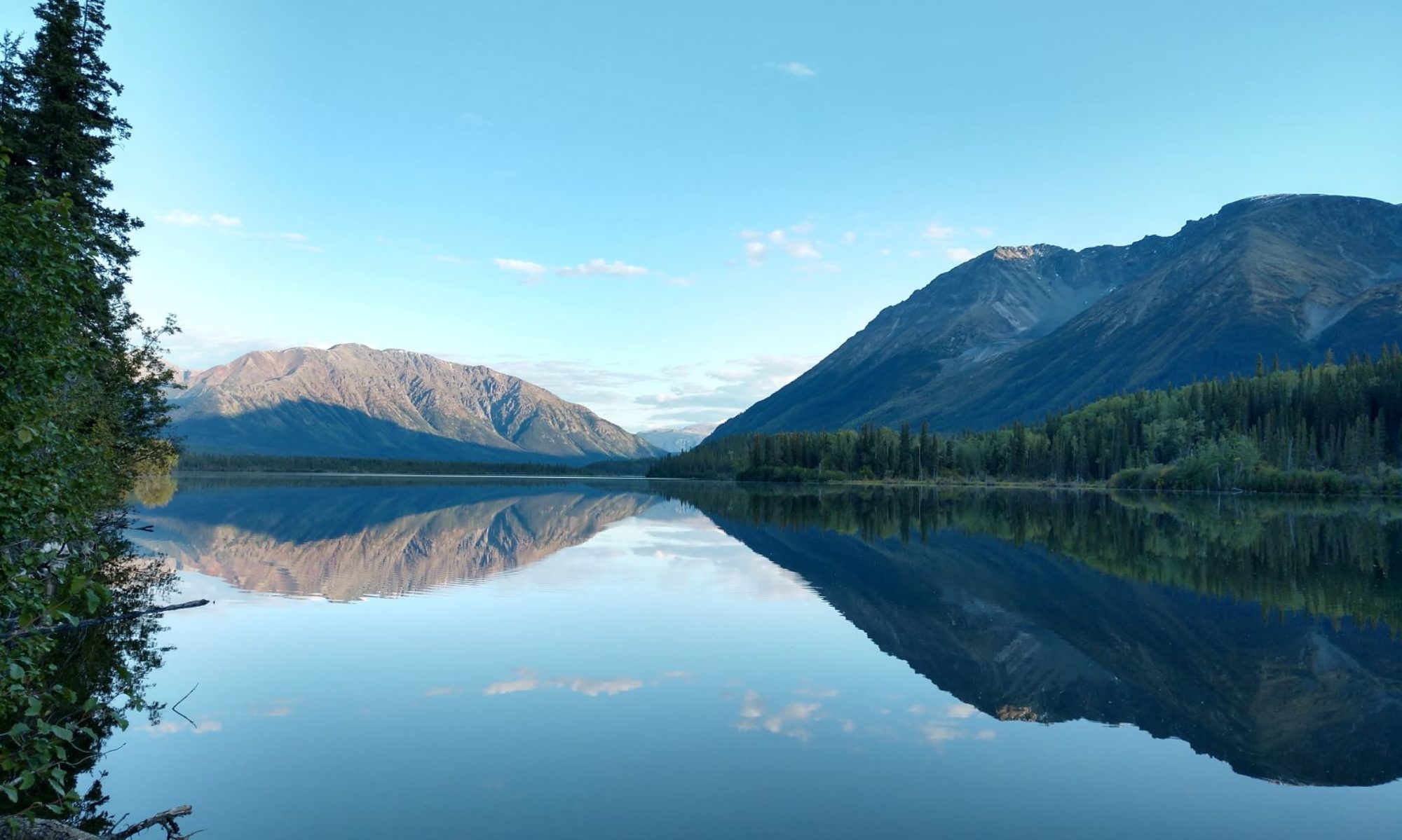
That’s the number of species of birds we generally see in a year. Good years, in terms of birding, we record more. Last year we recorded a record 474. This year, not so much. We had a few distractions. This year, in mid-November, we’re at 372 and probably won’t record many more. Next year however, might be different. We’re planning the long-awaited trip to Alaska. We’ll head north in May. We’ll get all the winter birds here in South Texas in January and February. We’ll watch the migrants pass through in March and April. Then we’ll drive north through Colorado, Montana, British Columbia, and Yukon to arrive in Alaska. We’ll see west-coast birds. We’ll see far-north birds. We’ll ramble Alaska to our content, then begin the long march back south about the same time all the birds up north begin their return to lower latitudes. We’ll just float south with them. With that many habitats and that many months, how could we not see our normal 400 birds? In fact, how could we not see many more than that? We’ll be covering so much more ground than normal. In 2017 we made a push at the end of the year and got to 474. Maybe next year, in 2019, 500? That sounds like a good target. 500 species in one year. With us traveling all over the place, really, how hard could it be?
An illiterate Northern mockingbird


Black and white warbler
Like a little mouse running up and down the tree.  Gravity does not apply.
  A migrant mostly just passing through, but a few winter here way down south.
Gravity does not apply. A migrant mostly just passing through, but a few winter here way down south. Can you see
The cooper’s hawk? 
 That was my bird count for that spot for the day. One.
That was my bird count for that spot for the day. One. Bill Taylor
An historical artifact  A business card from Dad, circa 1960, I’ve been hanging on to since then. I looked up all those trailer brands. It doesn’t look like any of them have been made since the 60s. Mostly they look like this now:
  Or this:
  I remember them shiny and fine when they were new on the lot though. Love the phone number on the card. 5 digits, with a two-letter prefix: GA for Garfield in North Long Beach; our home number in Long Beach having GE for Geneva. Before prefixes; in Seal Beach our number was 98779. I looked up the trailer lot location on Google Earth.
  The trailer lot then is a storage center now. The link to the google earth view showing Dad’s commute from Long Beach to North Long Beach. Commute map And what the heck, a street view of our house. 321 Carroll Park West Hey look. The Christmas lights I put up are still there! You can zoom out and see the neighborhood. Carroll Park; a very cool place to grow up.
A business card from Dad, circa 1960, I’ve been hanging on to since then. I looked up all those trailer brands. It doesn’t look like any of them have been made since the 60s. Mostly they look like this now: Or this: I remember them shiny and fine when they were new on the lot though. Love the phone number on the card. 5 digits, with a two-letter prefix: GA for Garfield in North Long Beach; our home number in Long Beach having GE for Geneva. Before prefixes; in Seal Beach our number was 98779. I looked up the trailer lot location on Google Earth. The trailer lot then is a storage center now. The link to the google earth view showing Dad’s commute from Long Beach to North Long Beach. Commute map And what the heck, a street view of our house. 321 Carroll Park West Hey look. The Christmas lights I put up are still there! You can zoom out and see the neighborhood. Carroll Park; a very cool place to grow up.