It made the case that wind energy was useless as an alternative to fossil fuel because today, it provides 0% of the world’s energy usage. After building and installing all these windmills we see, wind-produced energy makes up less than half of one percent of the world’s energy usage. That rounds down to zero, therefore it’s useless. Of course, that’s a ridiculous conclusion, even if it is based on real data. It’s just a way to frame the data to fit one’s own purpose. By including All the world’s energy, not just the places windmills have been installed, the windmill effect is diluted to zero. Given the same data, I suspect wind energy produces far more than zero % of the energy usage in the places windmills have actually been installed. There may be legitimate arguments against the use of solar and wind energy, but those are diminished by dishonest framing of data to deliberately understate the results. Maybe windmills take more energy to build than they produce. Maybe they kill too many birds. Maybe we’d have to cover the entire planet with windmills or solar panels to produce enough energy for everyone. Those are all arguments that could be explored. One argument against solar and wind energy is that they aren’t as affordable as fossil fuels and have to be subsidized. If we’re looking broad picture though, we should consider total cost of each source, not just immediate cost; not just the cost measured on financial statements. We should consider what it costs, financially and environmentally, to build the energy producing machine, what it costs to produce electricity, what other precious resources are used during production and operation, and what it costs to dispose of any waste produced during construction and operation. What we pay at the pump for a gallon of gas for instance, or what we pay at the meter for a watt of electricity, may not include the cost of clean-up, or for the effects of global climate change. We may not be paying the total cost of our current energy usage; we may not even know what it is. That’s a calculation we need to be making as we contemplate our energy sources for the future. It’s not helpful for us to take a position on what we want the outcome of an evaluation to be (be it wind, solar, hydro, nuclear, or fossil), then look for ways to justify that outcome. It would be much more productive to make an honest analysis of the information available and see where the facts lead us.
For our OCD daughter
 Problem solved.

Another walk at the salt lake
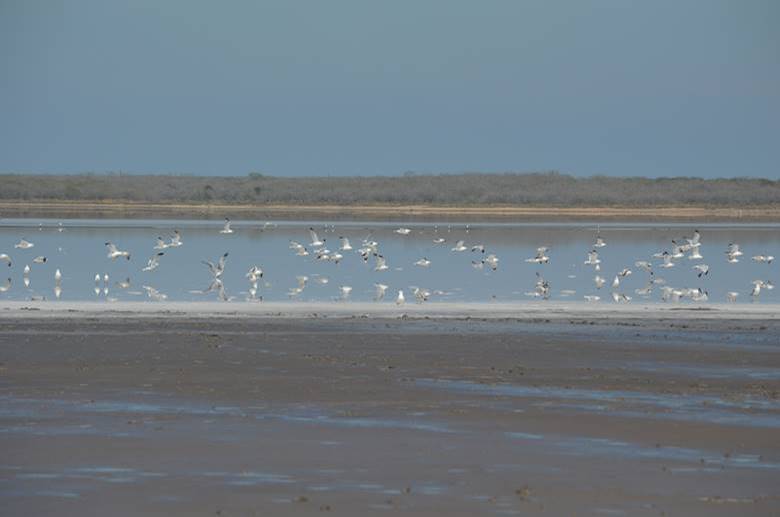
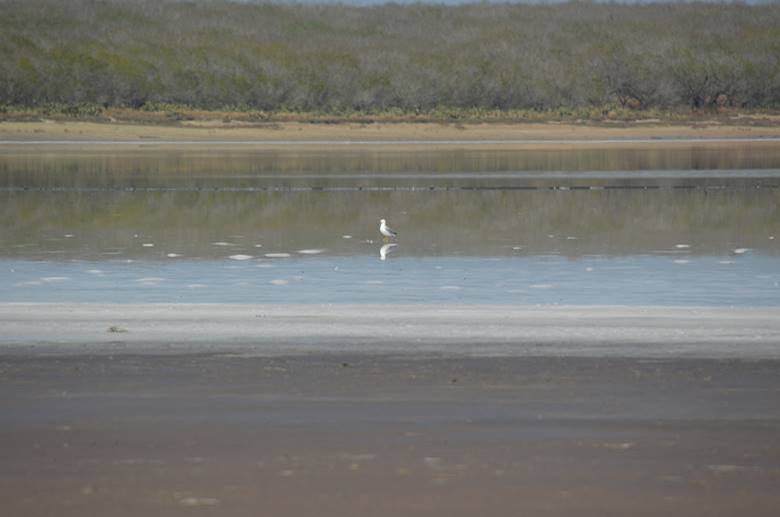
Sal del Rey. It’s a salt lake because it’s located right over an underground salt dome. There are several inlets to the lake but no outlets. The only way out for water is by evaporation. There were some gulls along the shore off in the distance.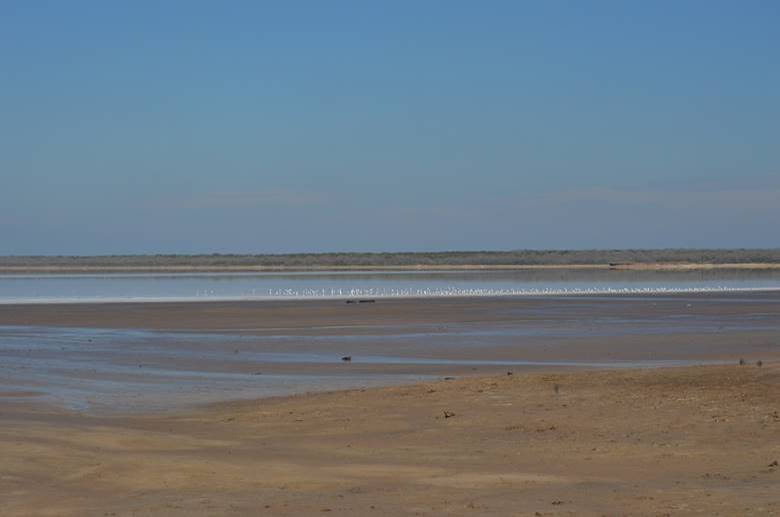 Turns out they were mostly ring-billed gulls.
 Happy healthy prickly pear cactus along the shore.
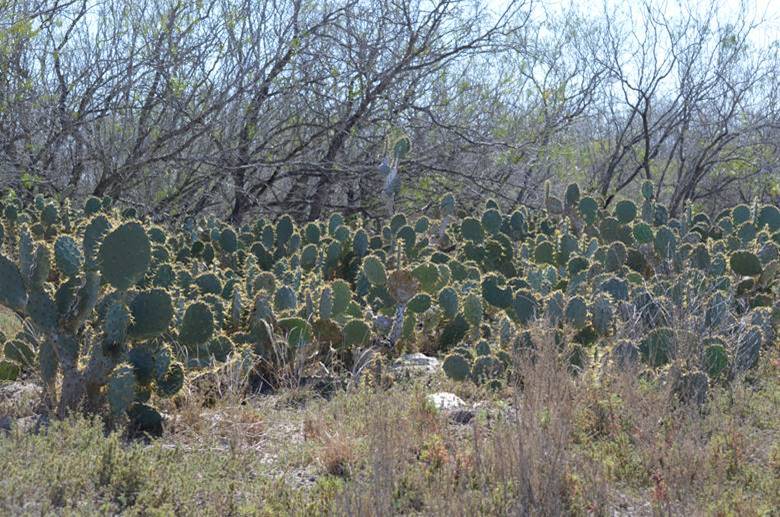
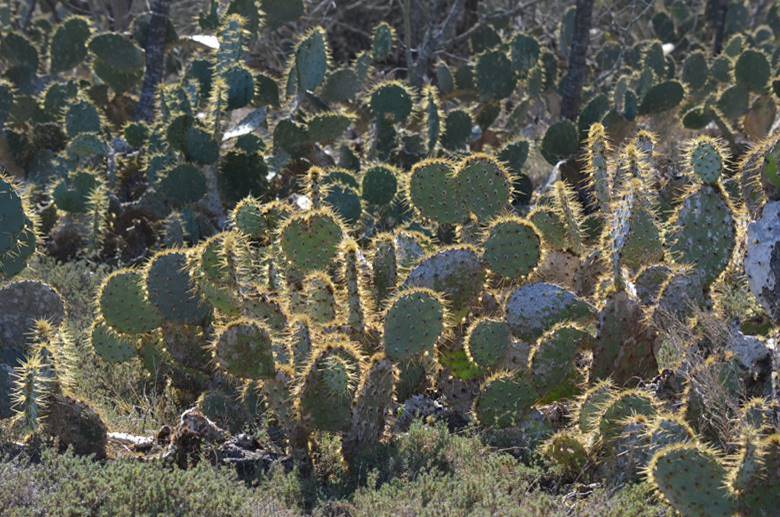 And wildflowers in bloom.
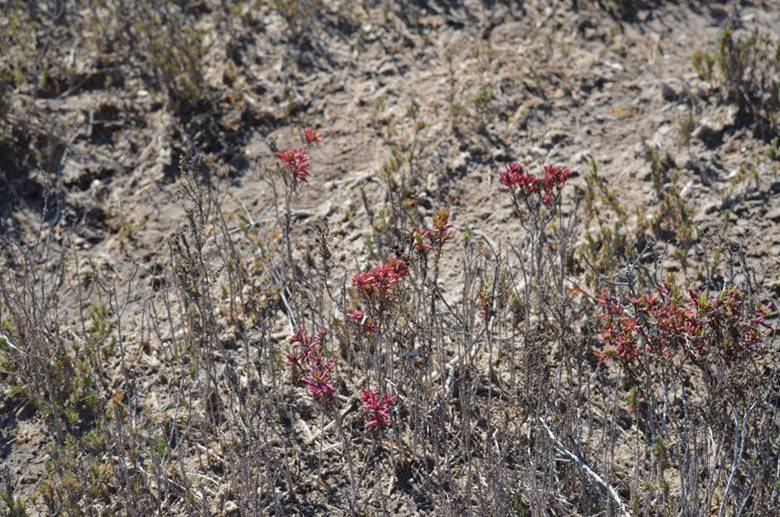
Turns out they were mostly ring-billed gulls. Happy healthy prickly pear cactus along the shore. And wildflowers in bloom. Anhinga
Usually when we see an anhinga, it’s on a perch, like this. Or this.
 Sometimes they’re called snake-bird, swimming with just their necks and heads exposed.
 Occasionally, we get lucky and see one soaring.


 They look so prehistoric!
Or this. Sometimes they’re called snake-bird, swimming with just their necks and heads exposed. Occasionally, we get lucky and see one soaring. They look so prehistoric! I have philosophized
I have philosophized that living a long life comes at a price. If we live an average life span, we should expect to see half our contemporaries pass away. There will be a lot of goodbyes. If we happen to live longer than that, there will be even more. We’re enjoying our lives, but not the “goodbyes” part. We said goodbye to our friend and neighbor Gary today.