Birding adventure

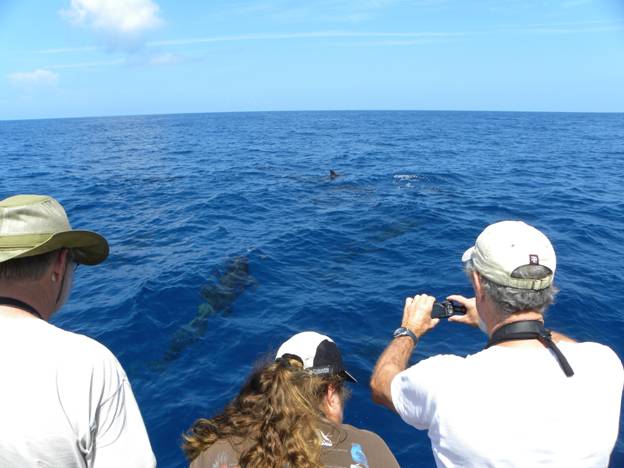
 Boat trip.  Birding tour. All day.  6am to 6pm.  Pelagic birds; birds we can’t see from shore.  Six lifers:  Cory’s Shearwater, Audubon’s Shearwater, Band-rumped Storm-Petrel, Sooty Tern, Bridled Tern, Pomarine Jaeger. Hundreds of flying fish.  A pod of 20+ pilot whales lolling about the boat.  And during a quiet moment I landed an albacore.   



Before we left Gulf Waters

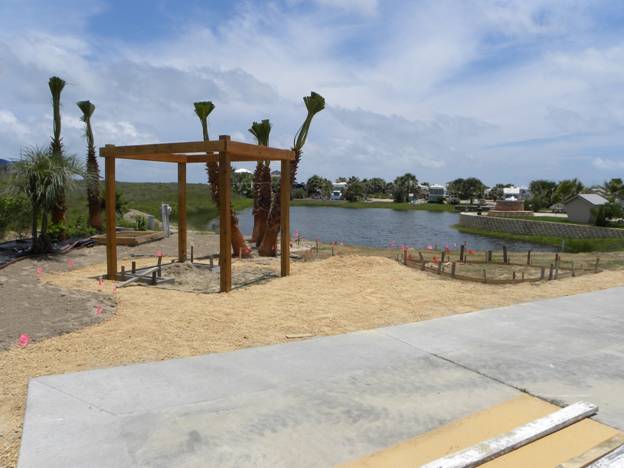
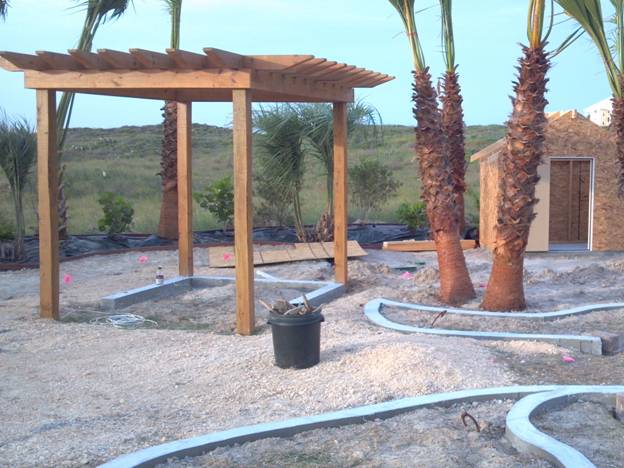
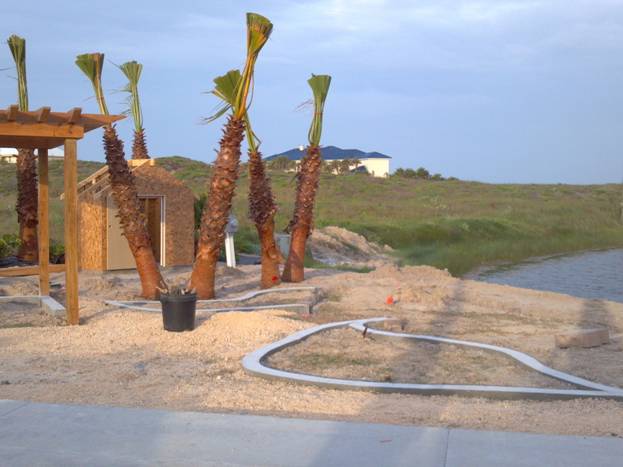
 We took one last look at that lot that’s being developed; that nice one right on the end of the pond. They’ve got the cement work done. Now it’s time for retaining walls, pavers, and more planting. We won’t be here to chronicle the rest of the job.  We’ll just see what it looks like when we get back.  

Mission accomplished!

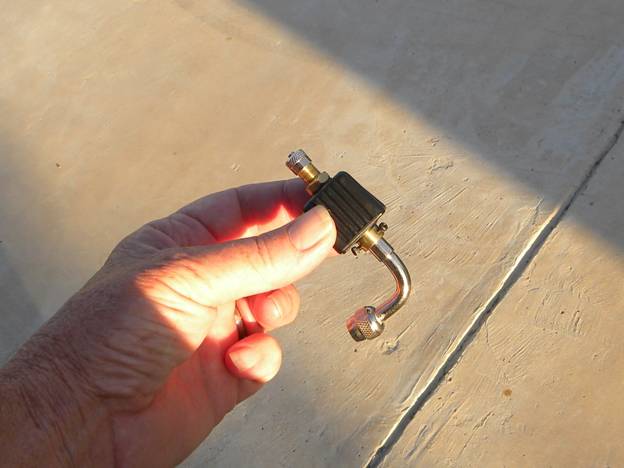
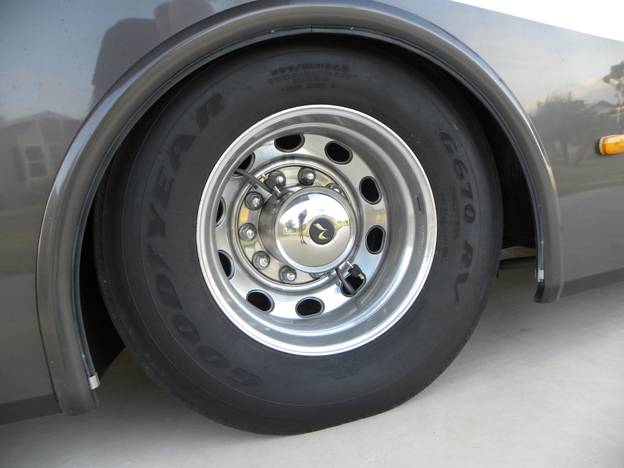
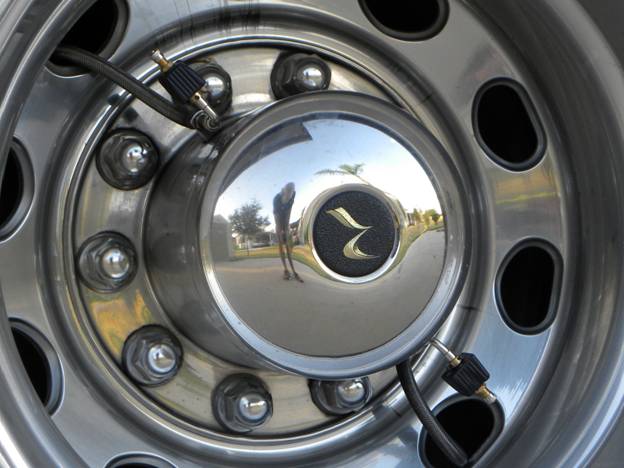
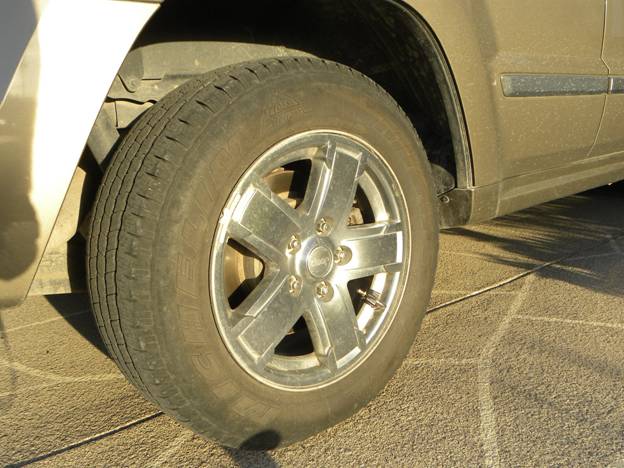
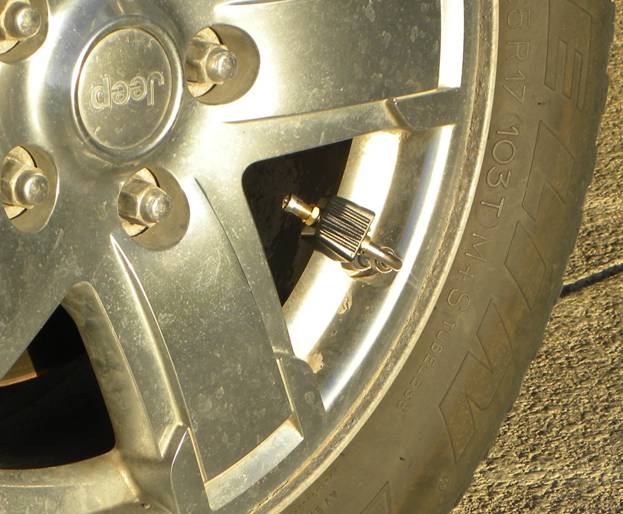
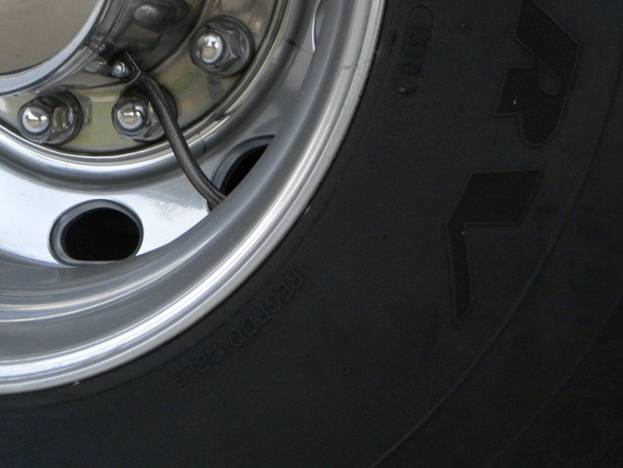
 Eight 90 degree valve stem extenders.  When they’re attached to the sensors, they look like this.There are three little set-screws to lock each one in place. The motorhome wheels look just right.   The Jeep wheels work too. The Jeep already has a tire pressure sensor system.  The sensors for the Jeep system are located inside the rim, before the valve stem, so for the Jeep, we’re attaching sensors on top of sensors so we can also see the tire pressure when we’re in the motorhome.  When we’re not towing the Jeep, we’ll probably just remove the external sensors. We haven’t actually hooked up and towed anything yet, so we don’t know how this will all work in the real world, but at this point, what could possibly go wrong? 

TPMS

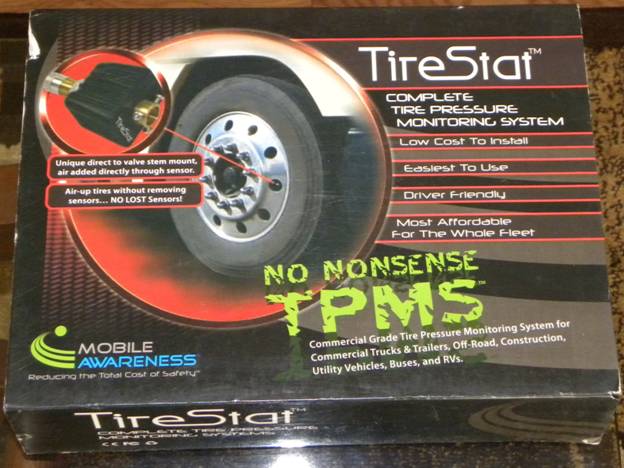
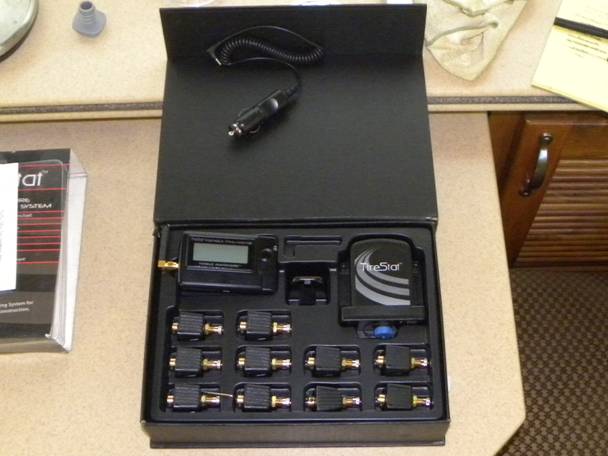
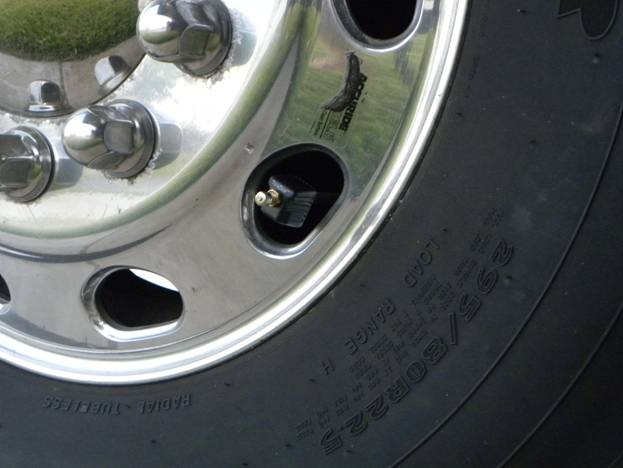
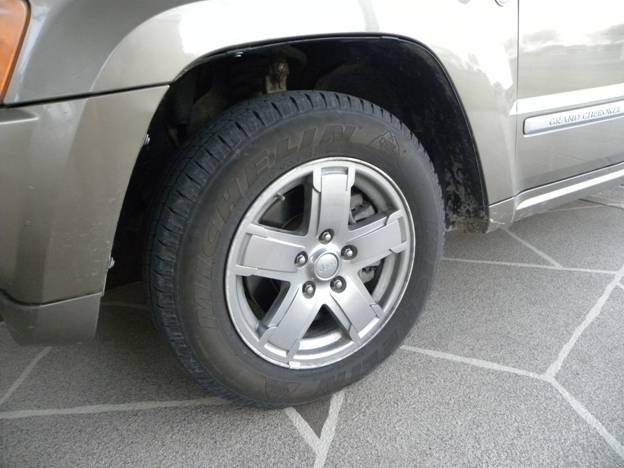
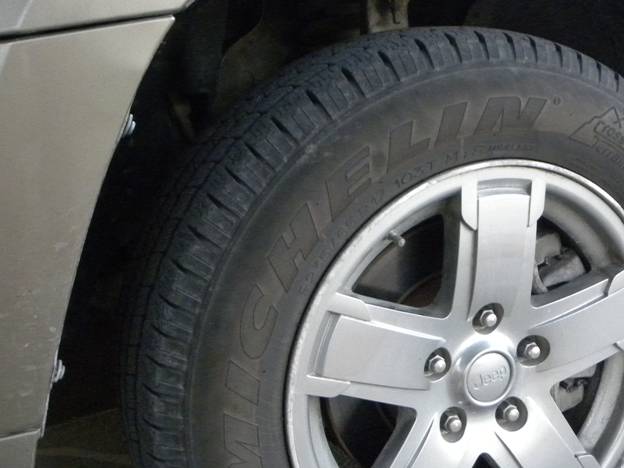
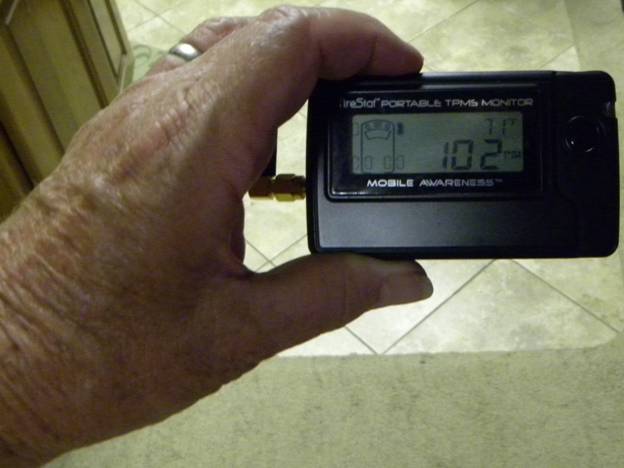
 That’s a Tire Pressure Monitoring System. They were never on our radar before, but after losing a tire on the Jeep, we bought a 10 wheel TPMS system.  It cost about the same amount we spent replacing the Jeep wheel and tire we tore up without even knowing it.  And with the TPMS, there is less chance we’ll find ourselves towing a fireball down the freeway someday. So we open the box and here are all the parts. 10 sensors, a sending unit, and a monitor. This is what it looks like with the sensor unit threaded on to the valve stem of a front wheel of the coach.  There is just the right amount of room to rotate the sensor onto the stem. That’s as far as we’ve been able to get.  Two sensors out of 10.  For the rear wheels, both valves have already been routed out next to the hub.  Problem is the valve stems are so close to the hub there is not enough room to rotate the sensor. On to the Jeep.  Nice exposed straight valve stems. Screw the sensor on……  didn’t work.  Before the sensor screws all the way down tight, it conflicts with the rim.We need extenders.  We have to be careful with them, though.  We can’t just extend straight out.  If we stick the sensor out too far, it will get knocked off by a curb or a rock and we’ll be screwed. I called tech support.  They suggested a source for valve stem extenders online and I found my choice of straight, 45 degree, 90 degree, or 135 degree extenders.  I don’t know which will work best.  I think 90 degree has the best chance of working, but it’s going to be tight.  I ordered four 90 degree extenders for a start.  They should arrive tomorrow.  In the meantime, here is what the display looks like with the right front wheel selected.  102 psi.  71 degrees.  Audio and visual alarms go off if the pressure or temperature goes out of range.