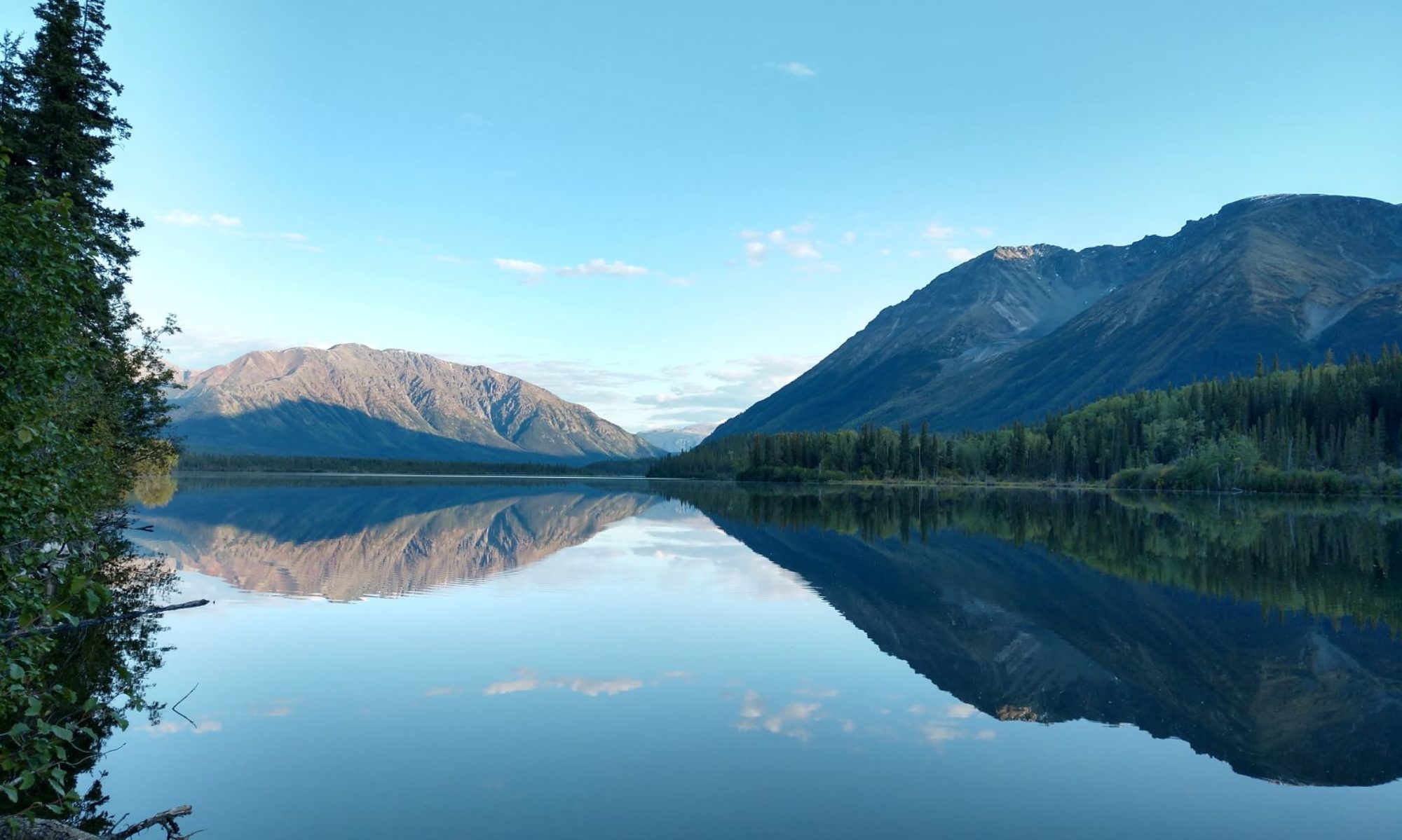
Temperature in the mid 70s. 98% humidity. We look across the field into the mist. After dehydrating for all those years of Colorado high dry weather, our skin feels soo good now. We’ve rehydrated.
It rained
It rained off and on for a week. Finally. But in the process, some of the carpet in the coach got wet. In Colorado, that would be no problem. Just open of the doors and windows and everything would be dry in a day. But here, open up the doors and windows to 98% humidity outside, and nothing happens inside. There is nowhere for the moisture to go. So what we do is close up all the doors and windows, turn on the air conditioners, and set the temperature low. In the process of chilling the air, the air conditioners suck moisture out and drain it to the outside. That takes a little longer.
Eddie is gone
Jeff and Carol came back yesterday to reclaim him. Before they left, we got Eddie and Petey together one more time. Petey lives here in the park. He’s a Bernese Mountain Dog. He’s kind of big.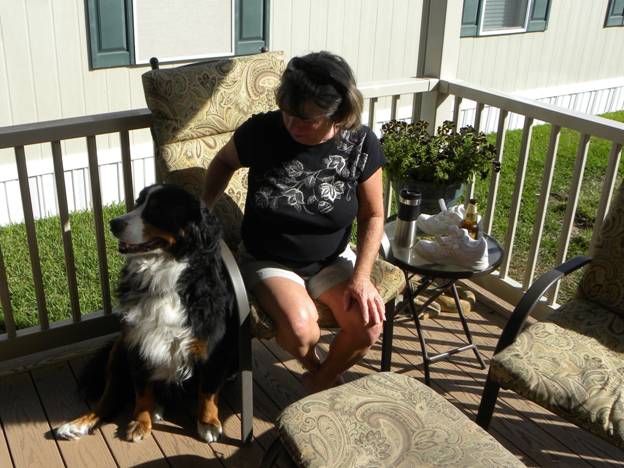 Eddie, the Cavalier King Charles Spaniel, not so big.
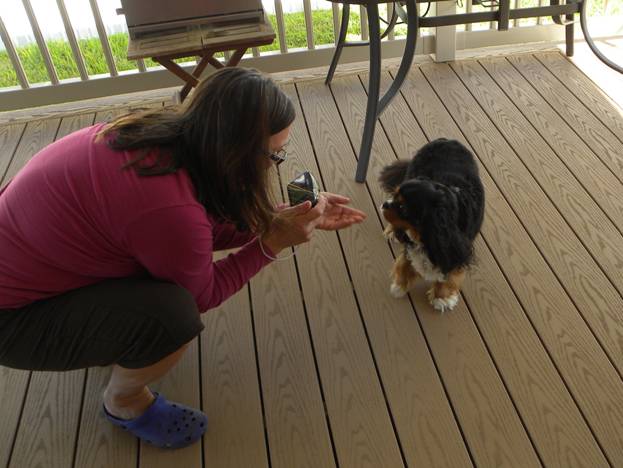 Put them together…
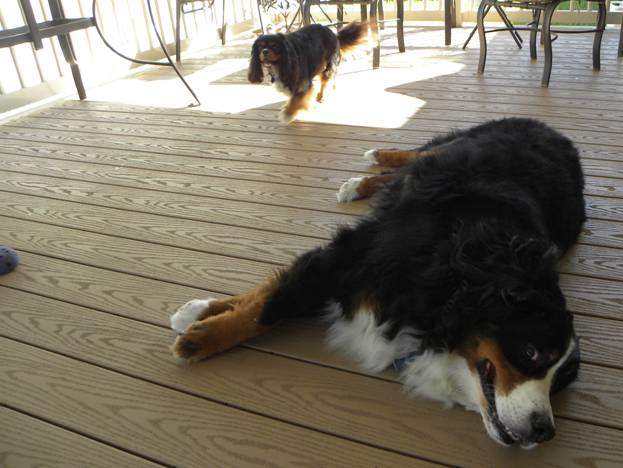 Eddie is Petey’s mini-me.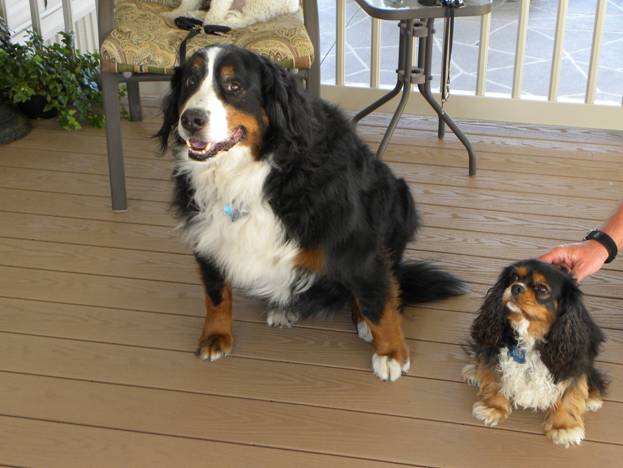
Eddie, the Cavalier King Charles Spaniel, not so big. Put them together… Eddie is Petey’s mini-me. Cisterns
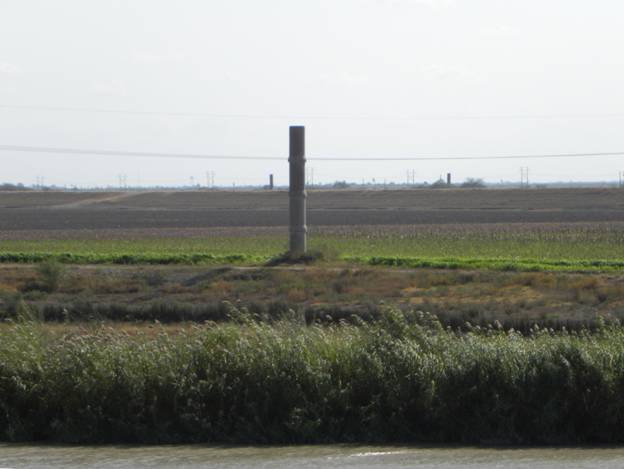 Still trying to figure them out.
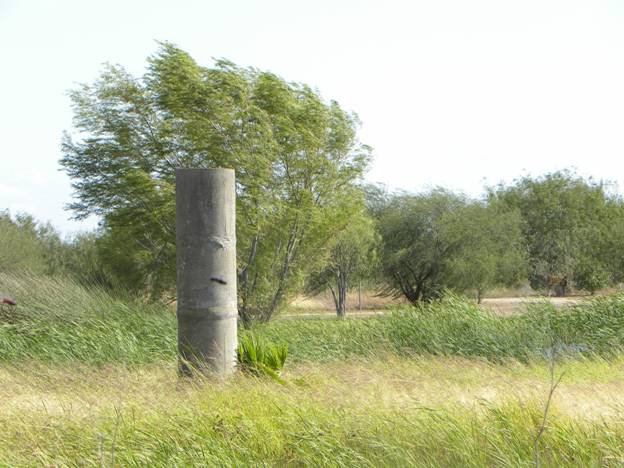 They’re everywhere here. They won’t leave me alone.
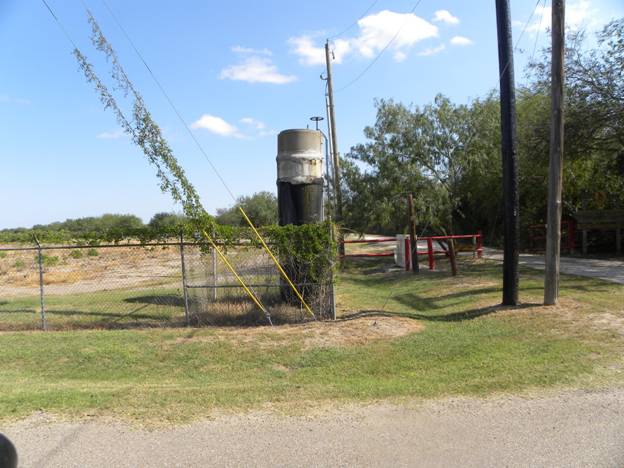 You buy your share of water from the Water District. The Water District controls when each system gets water from the canals. When your turn comes up, the water comes on. If you put water into a system faster than your pipes can take it, vertical cisterns could absorb some of the excess. They couldn’t hold all of it, they’re not big enough to be for water storage, but they could serve as shock absorbers. You could accept water at a higher flow-rate than your pipes could handle and any excess would be stored vertically, ready to be returned at the appropriate time by gravity. If it’s a gravity-fed system, a standpipe higher than the water source would neutralize any overage. I don’t know if I’m on the right track, but I’m polishing the concept nonetheless. In the meantime, if someone actually knows irrigation systems, feel free to jump in and help me out here.
 Life away from Sandpipers
We logged a few miles at the Mission Nature Park.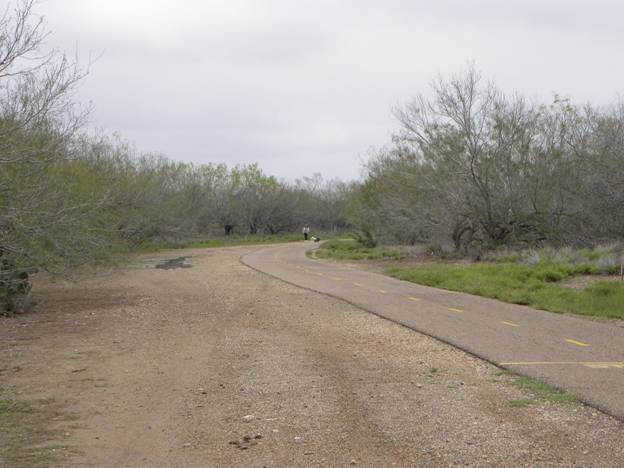
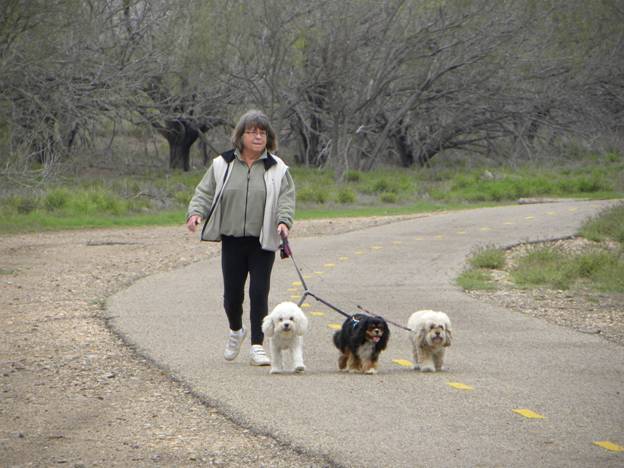 We have to give Eddie back in a couple days. We’re trying to make sure he doesn’t want to go.
We have to give Eddie back in a couple days. We’re trying to make sure he doesn’t want to go.