Bog plants

In the peat bog, there aren’t many nutrients. Oxygen in the water is limited. The water is acidic. Plants have to adapt to those conditions to survive. The mosses that grow there grow slowly. They decompose even slower, which creates the peat bog. Layer after layer of slowly decomposing moss building in from the edges until the lake water disappears altogether, leaving saturated peat moss instead.

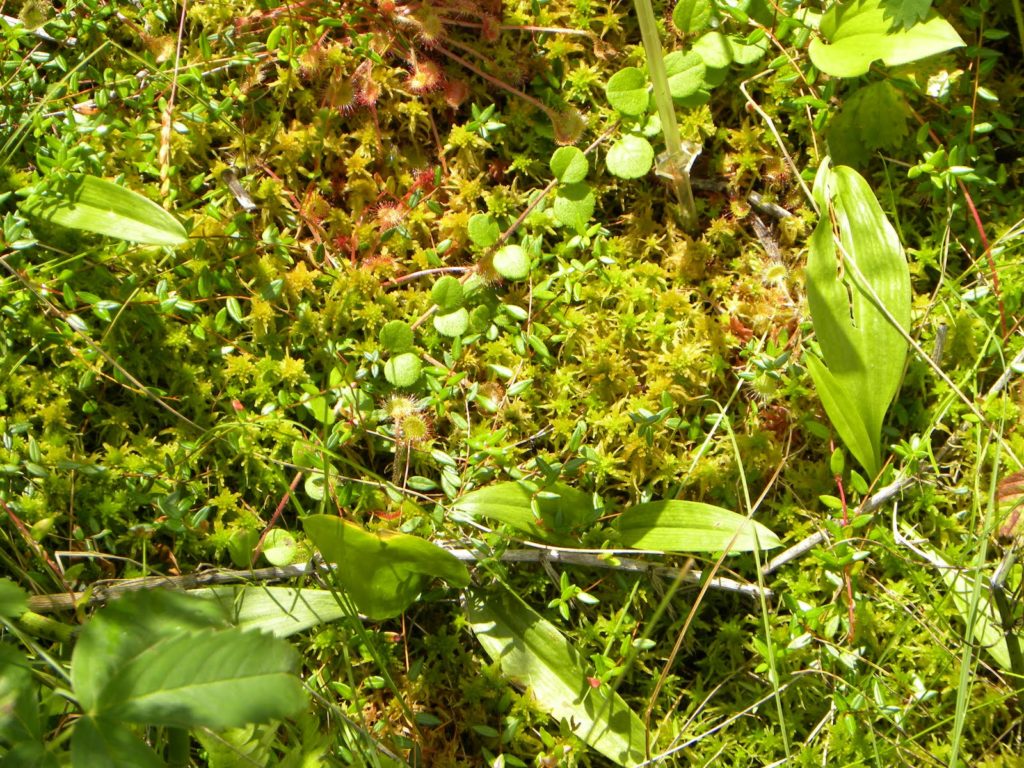
It’s a good place to find carnivorous plants, like tiny sundews
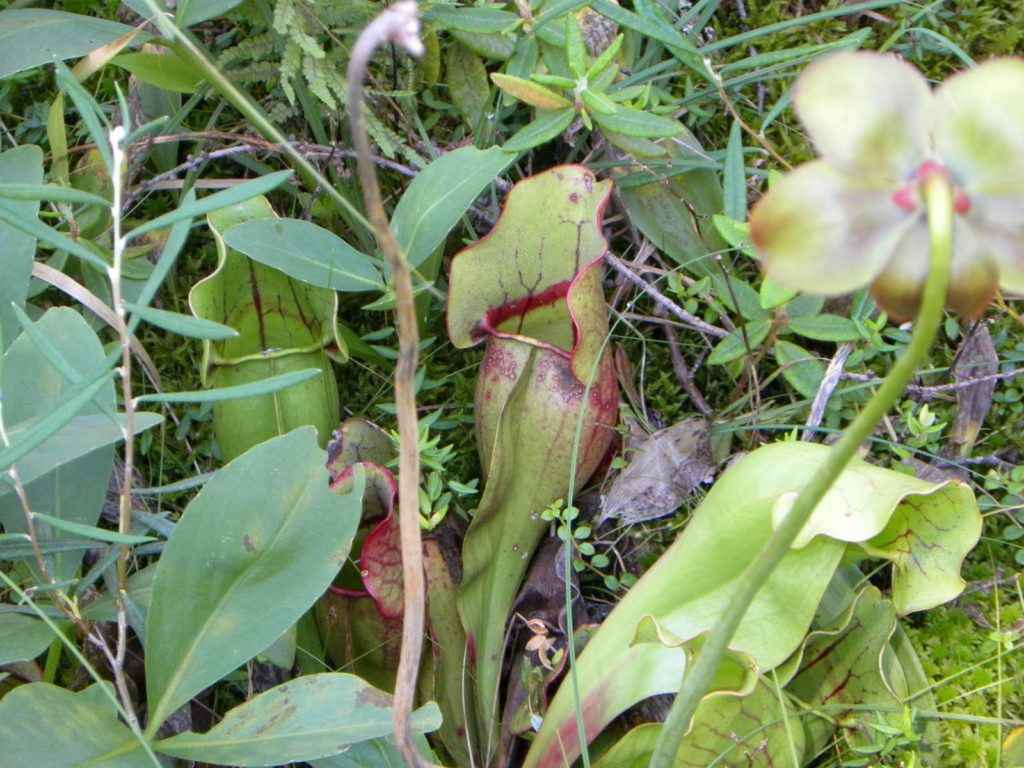
…and the larger pitcher plants.

Lake Bemidji State Park

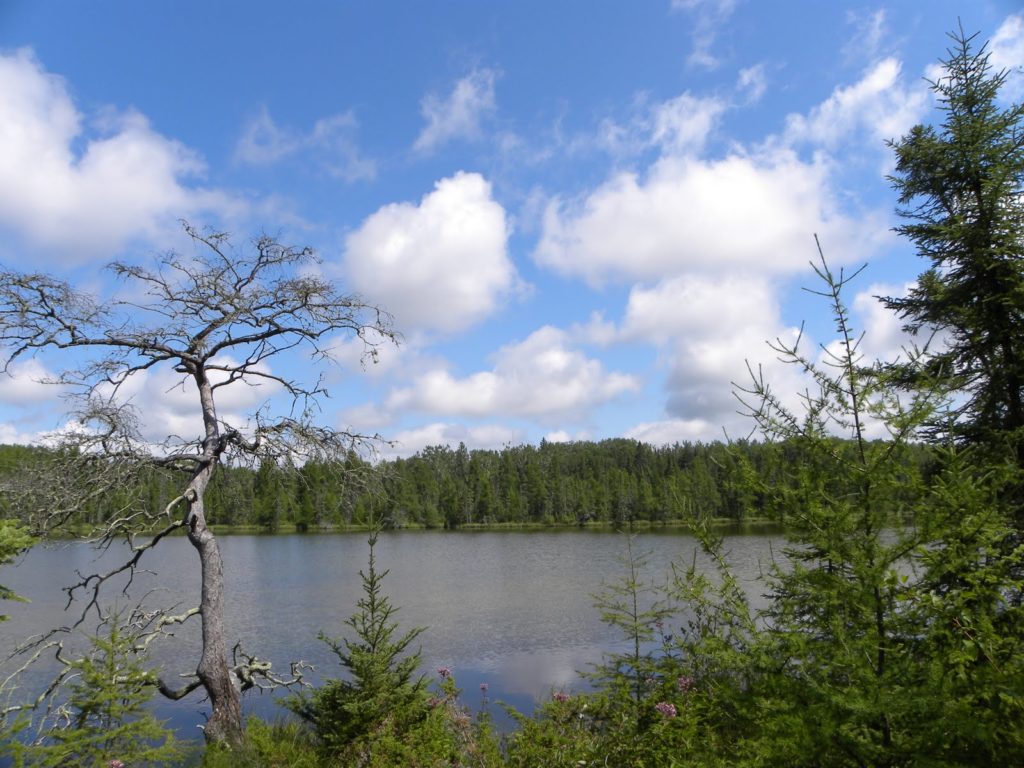
We didn’t move there, we just drove over there for a hike. We took the Bog trail; a trail that leads through a black pine and tamarack forest to a sphagnum peat bog. It took a boardwalk to get out over the peat bog to the edge of Big Bog Lake.


Itasca State Park

I’m swatting all the mosquitoes so the next people to visit won’t have so much trouble with them.

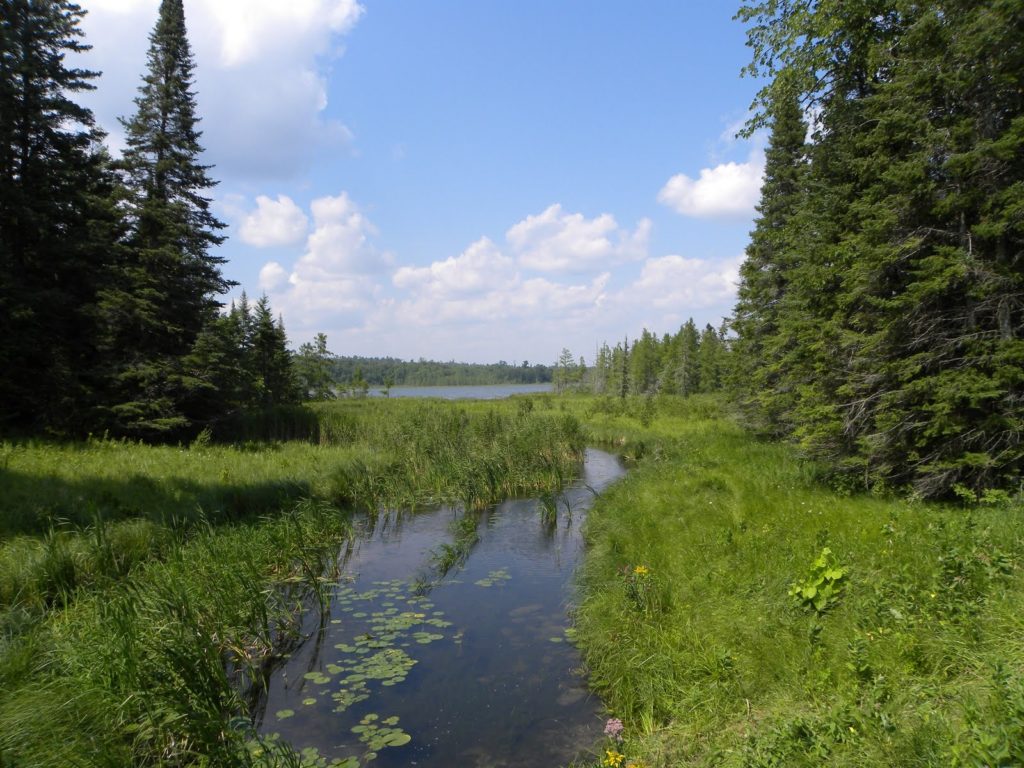
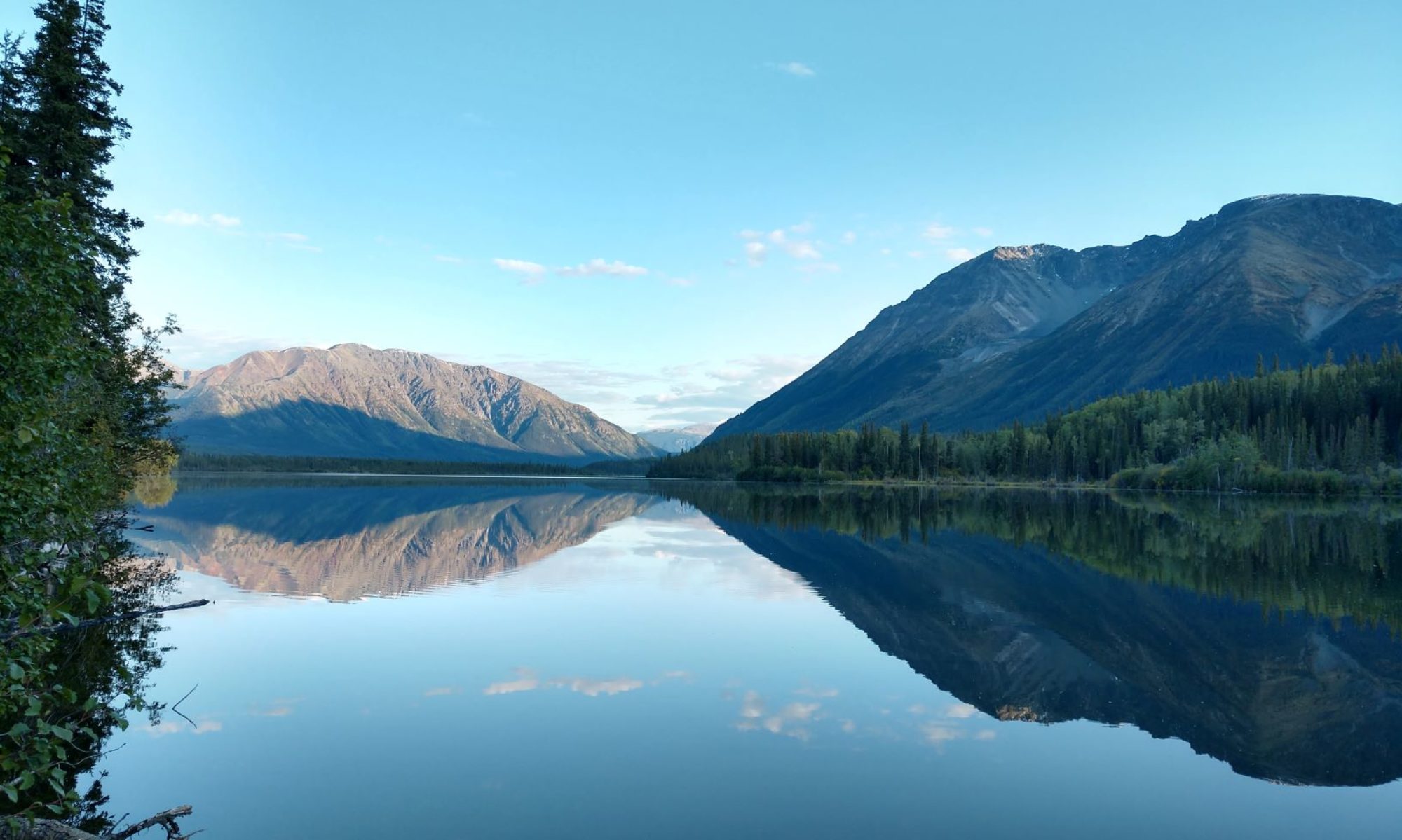
Everywhere we go pretty much looks like this:

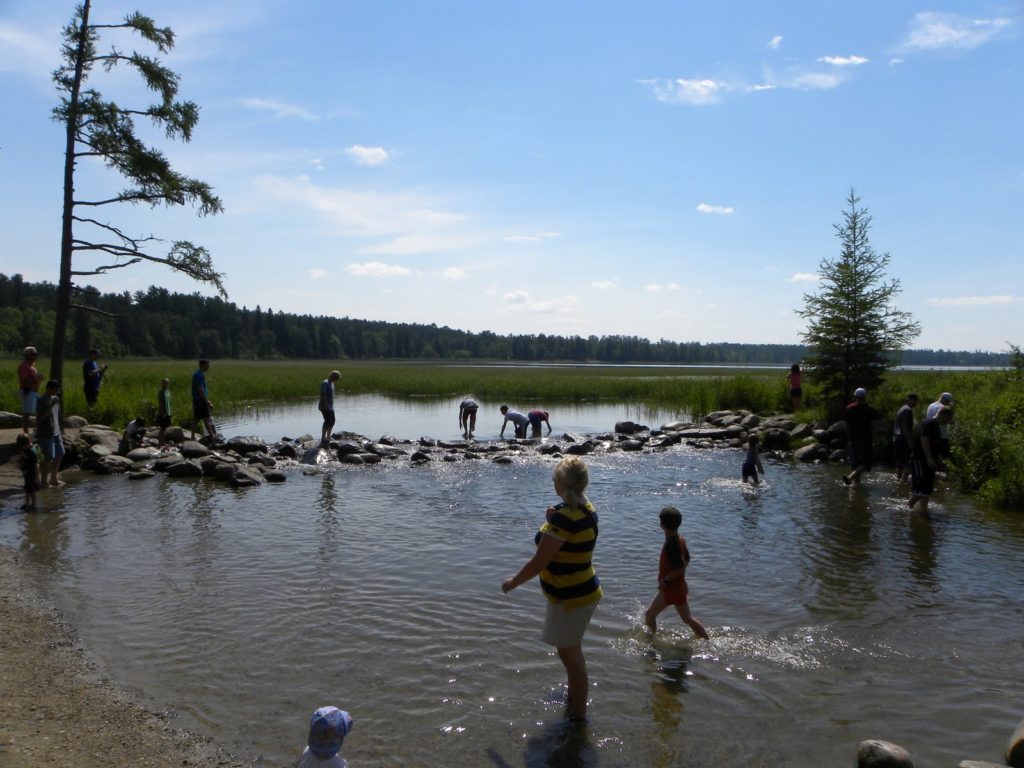
We try to get out to somewhere each day. Today we got out to the headwaters of the Mississippi. As the water comes out of Lake Itasca, you can wade across the headwaters of a 2,500 mile river.

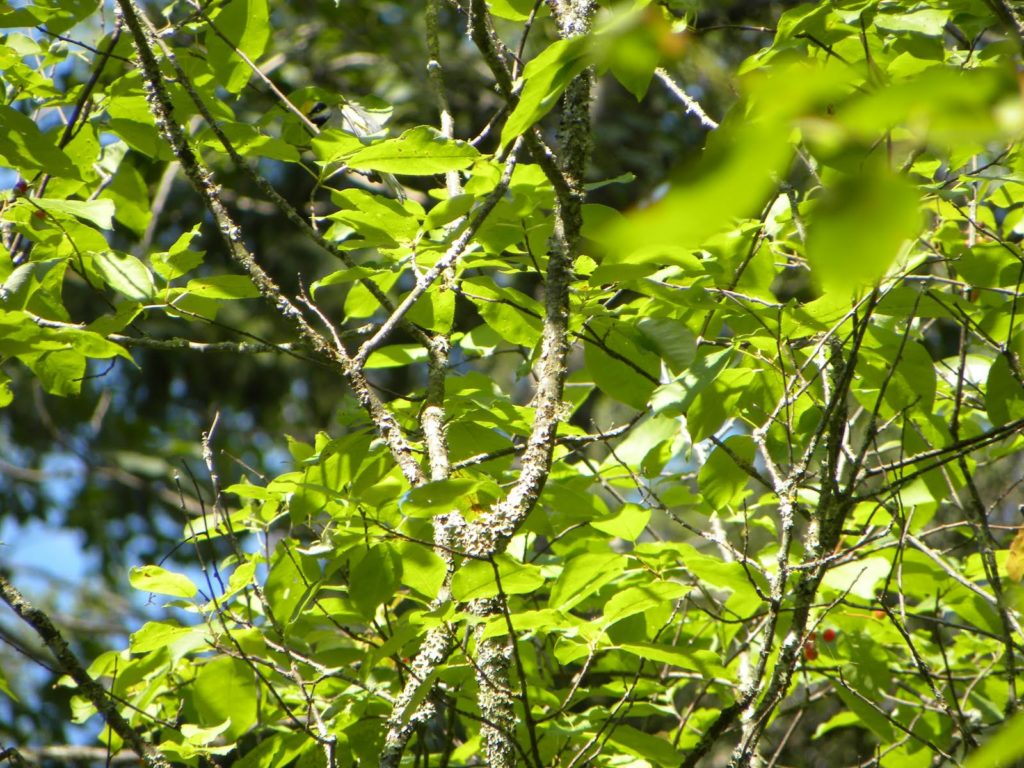
And today, while we were wondering around watching for loons and grouse, we spotted a life-bird; a golden winged warbler. We got a good long look, but he was deep in the trees. Here is my best picture of him:

You probably can’t see him. He’s in the upper left behind a leaf.

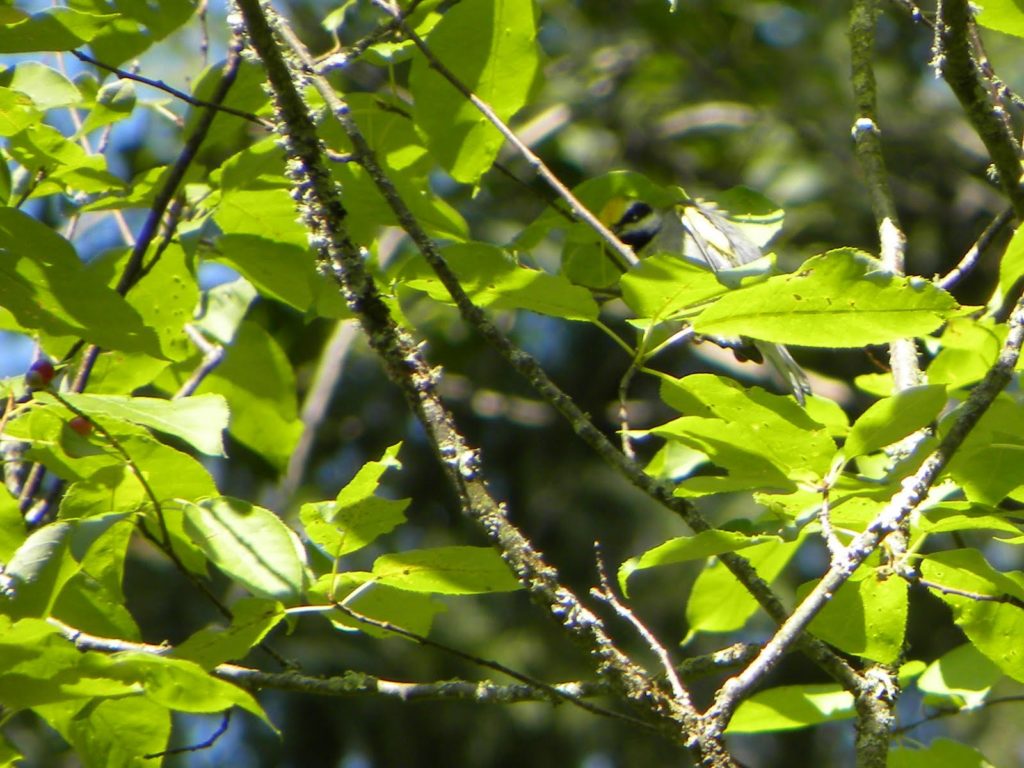
Here it is, blown up a little. (He’s still behind the leaf, but now he’s at the upper right.)