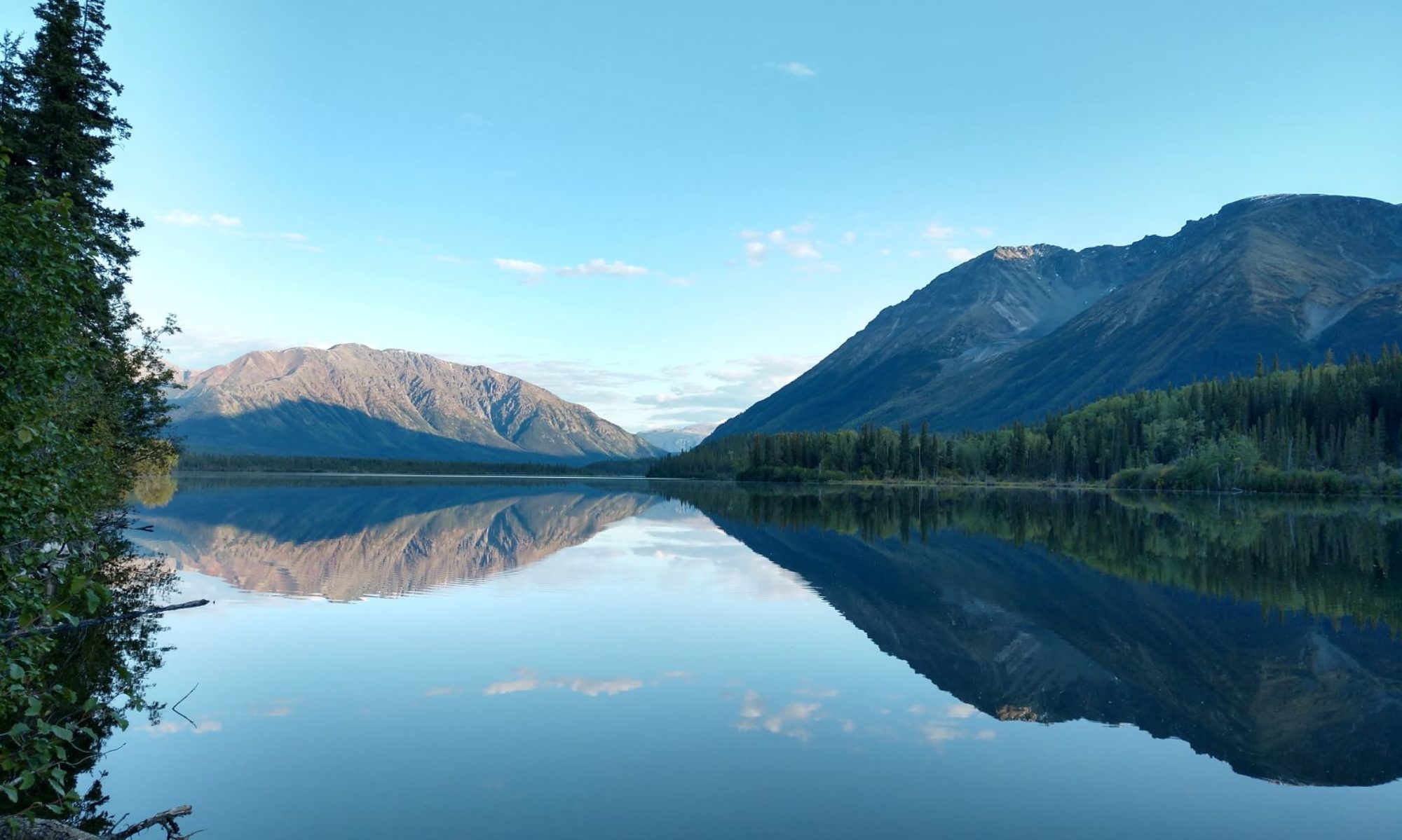
 We didn’t stop in the Tetons.
Yellowstone
Do you think trumpeter swans ever trumpet?
I’m looking for some help with amps. Maybe my brother Tom can help me out
here. Do I have the electricity formula right? Volts x amps = watts? If we run a 120 watt appliance that runs on 120 volts, house current, it
requires 1 amp? If we run that same 120 watt fan through the inverter at 12
volts, does that mean it requires 10 amps of 12 volt power? We use 10 times
as many amps when we run something through the inverter? Our electric coffee maker draws about 10 amps at 120 volts. If we run it on
the inverter, it draws 100 amp hours. It takes fifteen minutes to brew.
Did we just use 25 amps out of our batteries? We have four six-volt
batteries strung together for house power when we’re not plugged in. I’m
told they equate to about 500 amps of 12 volt usable storage. The battery indicator lights in the instrument panel are of no help in
determining how much battery we have left. They always read “good”. The
best indicator is when I turn the inverter on to run the coffee maker and
there is not enough electricity to run it. We still have some electrons
left, but this is a warning that we’re getting low. We need a better
indicator. I want an ammeter plugged into the line somehow so I can push a
button and get a readout of how many amps are left in storage. Mechanics
can do that with a battery tester, can’t they? Couldn’t a meter be wired
into the system somehow?
Did I tell you, we figured out how to find the rest stops on the co-pilot?
There is a command to increase the level of detail shown. On the broader
scale we had been using, they just didn’t show. There isn’t much guidance
on how to use this navigator. You just have to know. Oh. And another thing. GPS can tell you exactly where you are. It can
also tell you exactly how high you are. Judy found the screen that has the
altimeter. Of course, locking on to your location from a number of
different satellites, you can also lock on to your exact elevation as well.
The float


 The great Madison River float fishing expedition. Another good day on river with Rick, the guide. He always makes it good.
He put us over great fish. We hooked some. We even landed some. All
rainbows. All day. Judy got first fish, most fish, biggest fish, and prettiest fish.
Quake lake
 Quake Lake. In 1959, they had a 7.5 earthquake here. Part of a mountain
fell off and dammed the Madison River. It took three weeks to fill, and
create a lake 6 miles long and 190 feet deep. When lakes are created on
purpose, they cut down the trees first. Quake Lake is such an interesting
paddle because there are flooded forests of standing trees. One section is
used as a roost by cormorants. A cormorant condo. They fly out every
morning to feed, and fly back every evening to spend the night. A pair of
bald eagles nests nearby. There is a lot of shoreline to explore. In this picture, you can see the cutout where the mountainside was that slid
down into the river.
Lakes
 And a big old rainbow wallowing in the net.