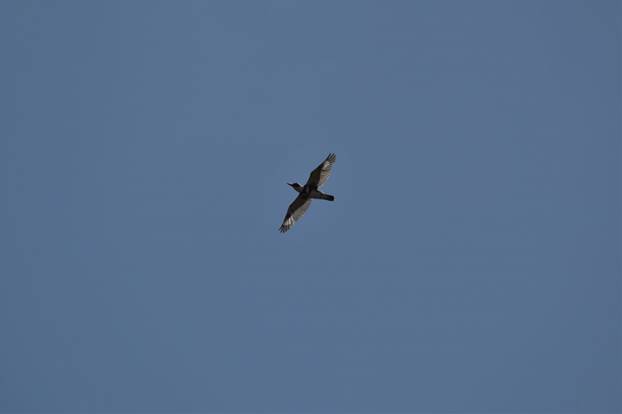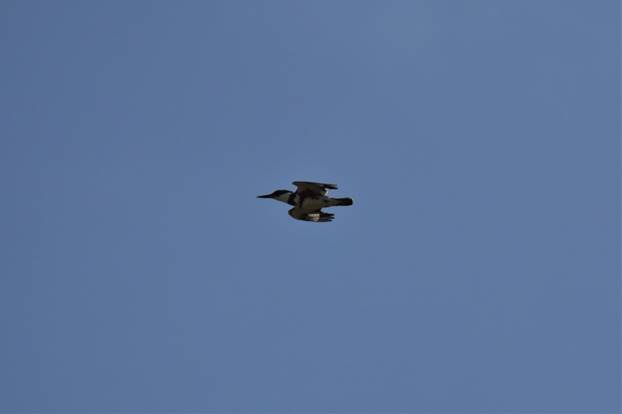
Geese fly in formation


It’s more efficient that way.


Military jets fly in formation at least partly for the same reason; flying more efficiently uses less fuel, increases range, and costs less.  That makes me wonder about truckers.  There are a couple million trucks on our highways just in the U.S.  They can’t drive side-by-side in formation like geese, but even staying single-file, out on the open road, there must be an ideal formation for trucks; an ideal separation for each truck to follow in the wind-shadow of the truck in front for maximum efficiency.  Remember the concept from the seventies?  “We got ourselves a convoy!”  A whole pack of trucks driving fast, nose to tail.  Like that, only smarter.


The technology exists to find the separation sweet spot.  The factories that run race cars know everything about how the air moves over, under, around, and through their vehicles on the track.  The technology exists to lock in a distance from another vehicle.  Our Jeep already does that with Adaptive Cruise Control.  Any tiny increment of additional efficiency would have a giant multiplier with all those trucks on the road.  I’d be curious to know if the sweet spot for trucks is a few inches apart, a few feet apart, or a few car lengths apart.  If the best formation is an endless string of trucks, it could be compromised with periodic breaks, to balance trucker efficiency with driver safety and convenience for everyone else on the road.


I wonder why they’re not doing this already; or if they already are, but more subtly than I can detect.
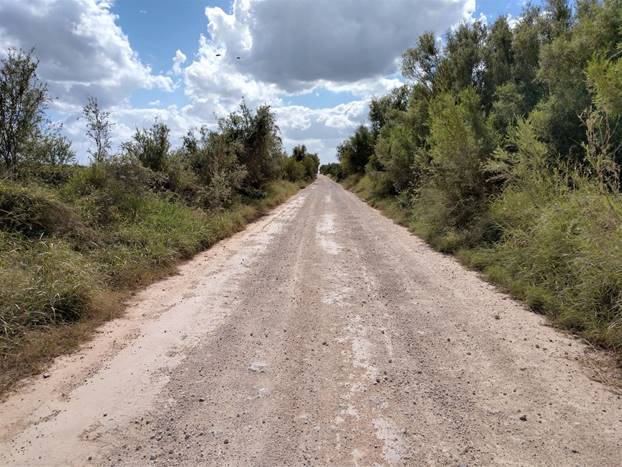
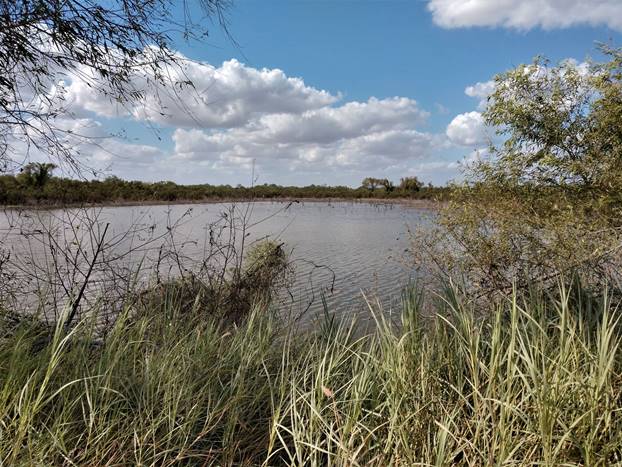


Wallace Road Ponds


https://www.google.com/maps/d/u/0/edit?mid=1UDWCRPxwTpvIKAUhAJNTaLQqbQA-E3eI&ll=26.442829212158454%2C-98.24115226038884&z=17


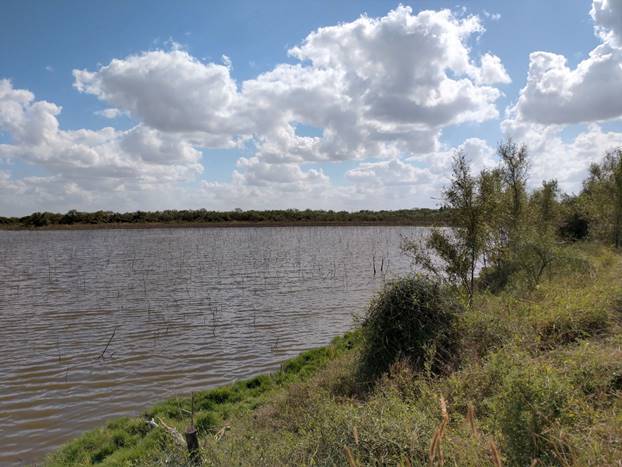
Not your usual birding hotspot.  It’s not really anything.  Just a dusty dirt road, some farm ponds, and there isn’t even a spot to pull a car off the road.  I park at the entrance to a plowed field at one end and walk out and back.


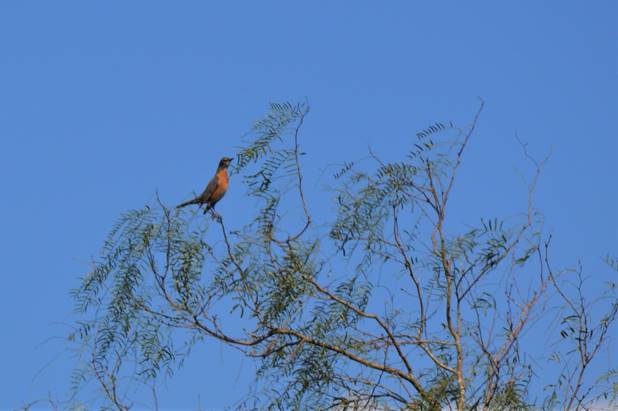
But it is a place with birds.  Our latest visit there got us 24 species in half an hour.  Here is an unusual one for us; an American Robin.  They don’t often come this far south.  Funny how one person’s common bird is another person’s rare find.  Geography matters!


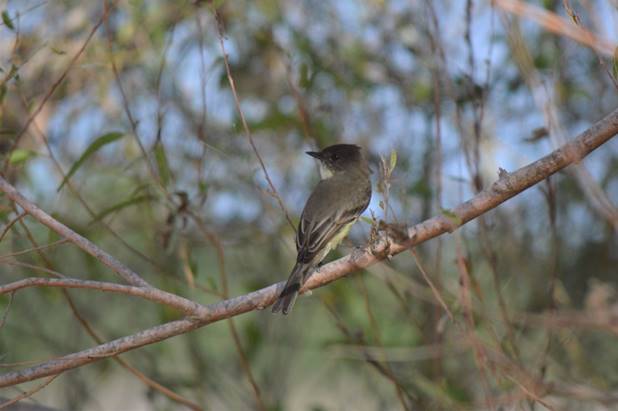
And a charming little Eastern Phoebe.  They are not uncommon here.


I was just thinking


Without revisiting this particular election, when you just look at a map of how states vote, or especially how counties vote, there is an obvious divide.  City folks tend to vote democratic.  Rural folks tend to vote republican.  I wonder why that is.  This is a really easy observation to make.  There should be an obvious answer, right?  But every idea I have about why that might be so, just generates more questions.  Too many “why’s”.


Lake Edinburg


It’s the closest place we can go out for a walk.  It’s only a mile from our house.


Here is the map link.


https://www.google.com/maps/d/u/0/edit?mid=1UDWCRPxwTpvIKAUhAJNTaLQqbQA-E3eI&ll=26.390274286026596%2C-98.15888647471073&z=15


If the map isn’t on satellite view already, click that button and you can see the trails available to us.  I can walk an out and back between the two entrances.  I can walk around the lake labeled Edinburg Lake on the map, or I can do that long way round at the top.  Each track gets me different habitat.


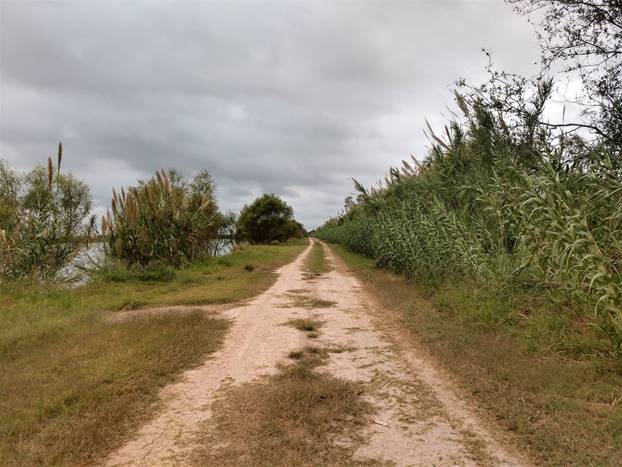
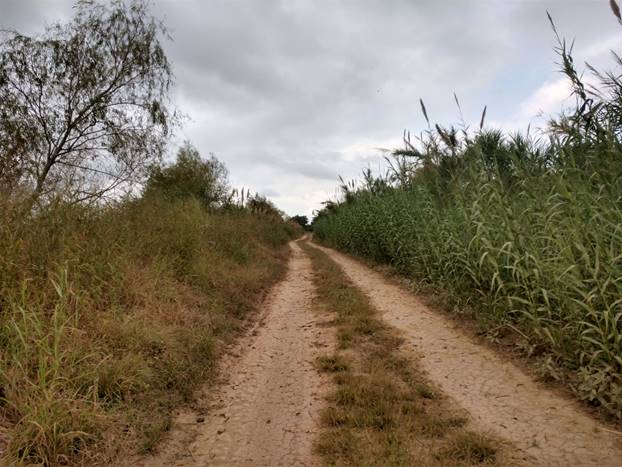
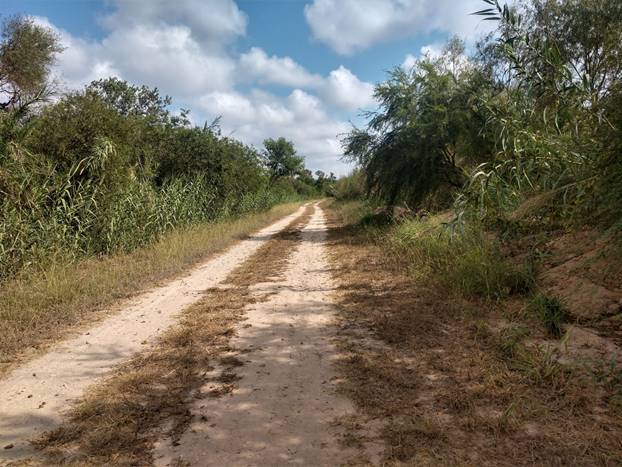
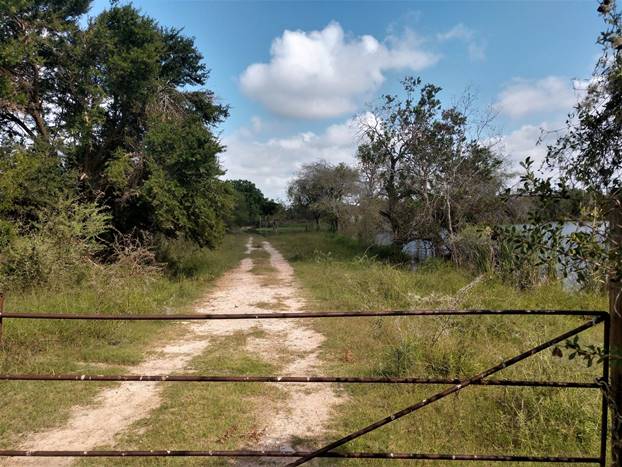
This road between those two entrances used to be open to local traffic.  It was too good a spot to go fish, drink, then accidentally drive your car into the lake though, so the water district gave up and closed the road to the public.  The first time we drove it, I was watching for birds and the only thing I saw was an osprey.  I determined it was a bird-desert.  After they closed the road I called and got permission to walk it.  No problem.  It’s not a place many people go; mostly just the occasional person illegally fishing.  It’s not on anybody’s birding hotspot map.  But once I started walking it, I discovered there is a lot more going on here than I first thought.  Not a bird desert at all, last walk there yielded thirty different species of birds.  The “me now” really taught something to the “me then” that thought there weren’t any birds here.


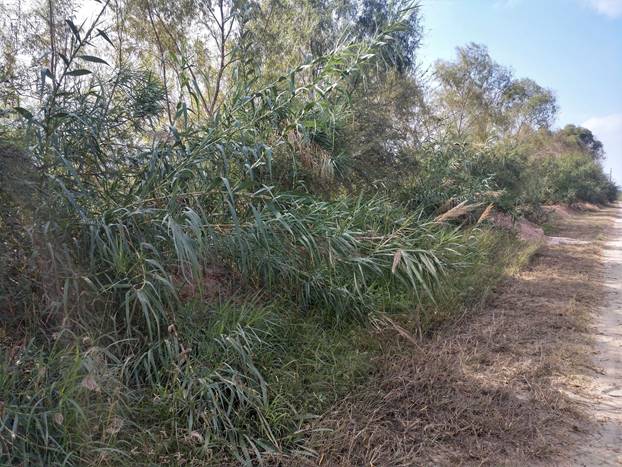
The road is lined with native river cane.  Its domestic cousin, sugar cane, is widely grown in the Valley as an agricultural crop.


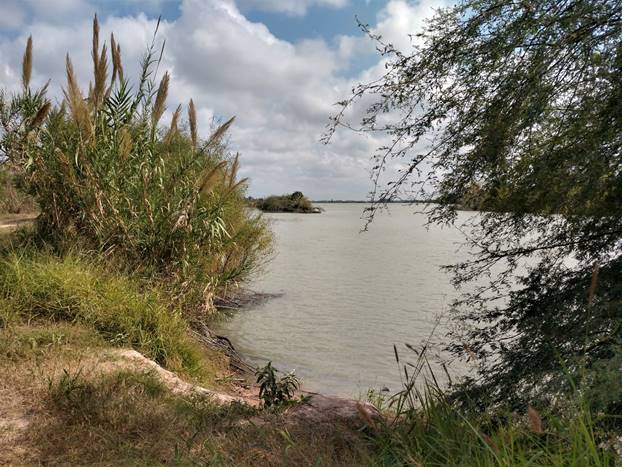
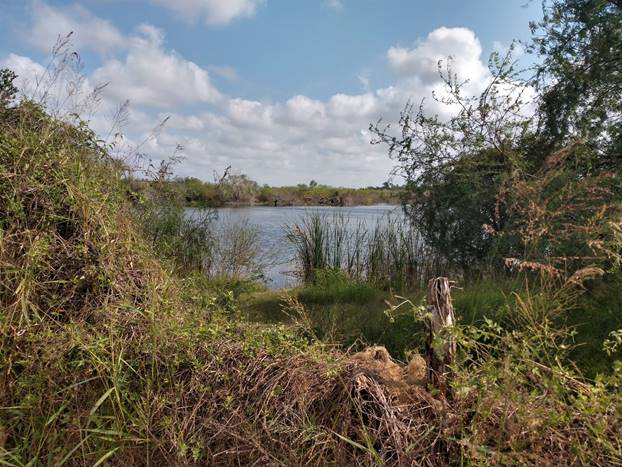
There are several different lakes.  They constitute the water storage for the city.


And there are remains of a ranching history.


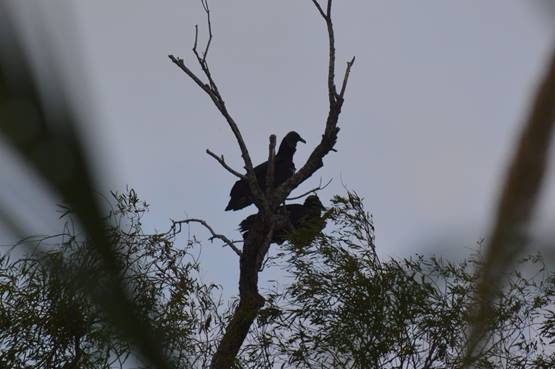
With black vultures hanging out in silhouette.