For perspective January, 11,

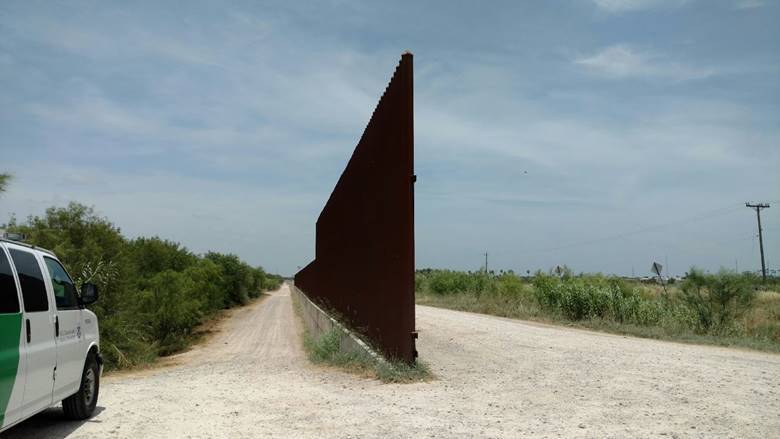
Here is what the existing border fence looks like.  I took these photos at one of the planned gaps.  By my experience, there is at least one border patrol vehicle there at all times.

On the Mexico side.
On the U.S. side.
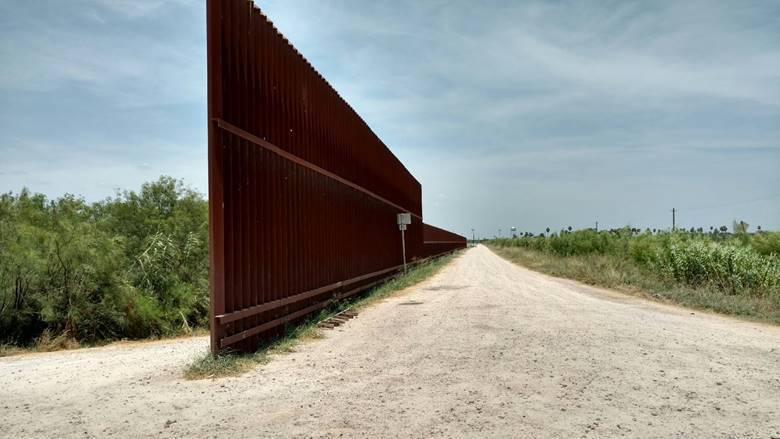
We can look at the SUV in the first photo for a size comparison.  That would make the fence about 20 feet high by my guess.

Of course, both sides of the fence are built on U.S. soil.  It’s not Mexico on the other side of the fence.  It’s Mexico on the other side of the river.  The river is a little farther south.  Here is the intersection where I was standing when I took the photos:

https://www.google.com/maps/@26.0900645,-98.249046,123m/data=!3m1!1e3

You can scroll out a little to see the disconnect between the wall and the river.  Look at the path of the river and you can see why it’s impractical for the wall to run right along the river.

Here is a locked gate at the town of Hidalgo.
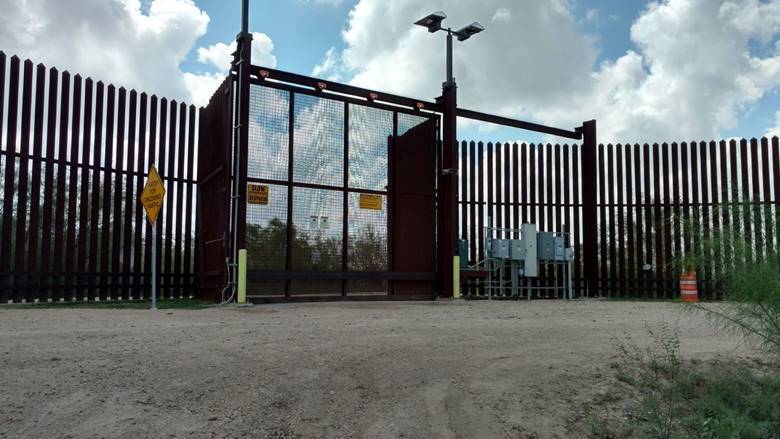
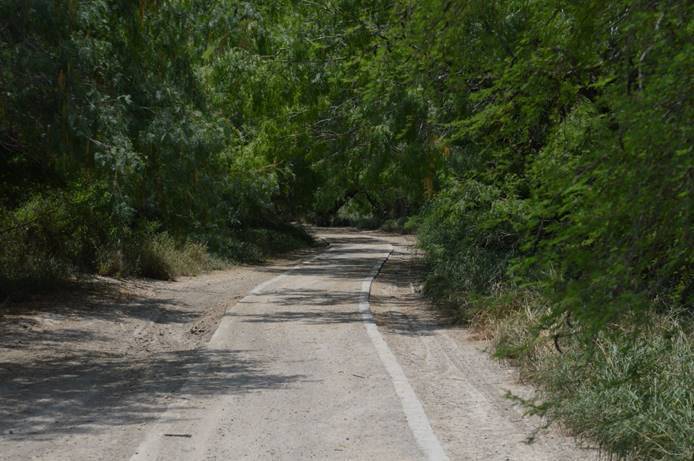
Here is a walking trail on the other side of the fence.
If you follow that trail far enough you come to that same locked gate, only from the other side of the fence.
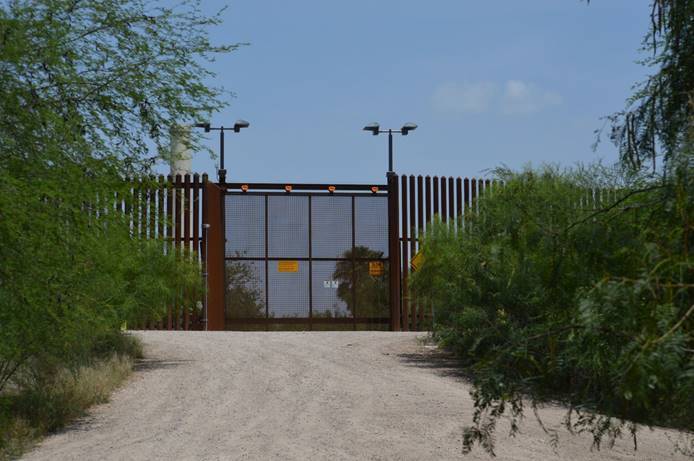
It was a little disconcerting to have walked those miles and be back so close to where I started that day, yet faced with an impenetrable barrier.  Of course, I retraced my route, past the border patrol SUV guarding the opening, and walked my way back to the car, feeling blessed that it was that easy for me.

Here is the location of the gate in the photos above.

https://www.google.com/maps/@26.0957563,-98.2613919,123m/data=!3m1!1e3

If you scroll left and right on the satellite view, you’ll see places where it looks like there is no wall.  In those places, there is a cement barrier and a 15 foot drop-off to the level on the other side.

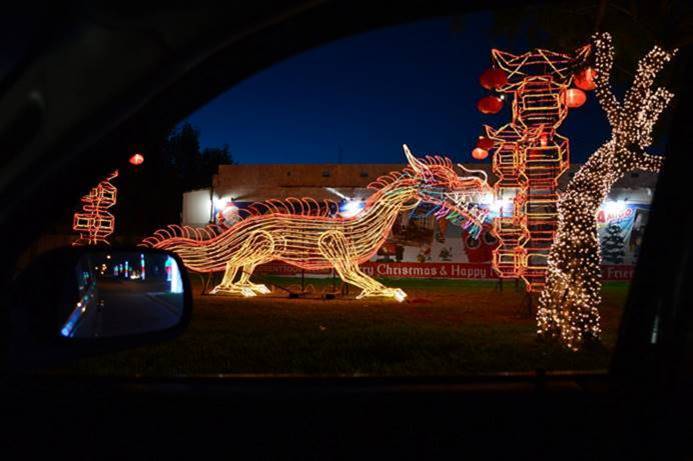
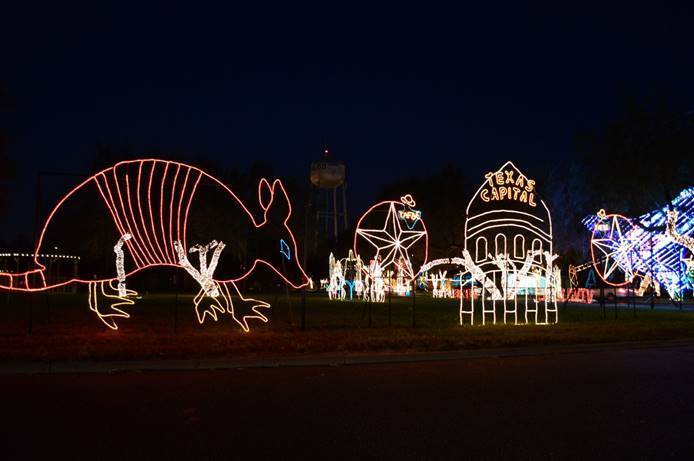
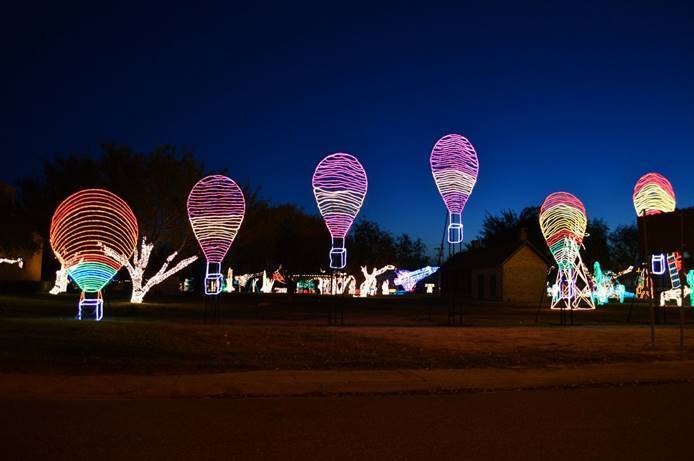
Here is what the tiny poor Hispanic border town of Hidalgo looks like lit up at Christmas.
A report from the border January, 10,

We live in a border town.  We walk along the border, sometimes on this side of the fence, sometimes on the other.  (For practical reasons the fence is not built exactly on the border, and it’s always on our side, so being on the other side of it is not really a problem.) We live in a county that is 92% Hispanic; We non-hispanic are definitely the minority.  Not all the people in our county and in our schools are documented.  Not all the people in our county speak English.  That’s our situation.

There is a border fence.  It is not continuous; it’s built in sections.  I send pictures of it occasionally.  Law enforcement we chat with as we’re out and about say the fence is working just fine.  The fence funnels border crossers to openings our officers patrol.  There are people who cross the border illegally, but the number is down from prior years.  There are drugs that cross the border, but mostly through the ports of entry.  There is crime here in the Rio Grande Valley, but at a rate lower than the national average.

So here we sit, in the midst of the presidents’ wave of terror.  There are caravans headed our way to storm the borders.  We have criminals, gang members, rapists, and terrorists flooding across.  It’s a national emergency.  But it’s an invisible emergency to us.  We have been here for years, and all we experience is a happy, safe, comfortable, caring community.

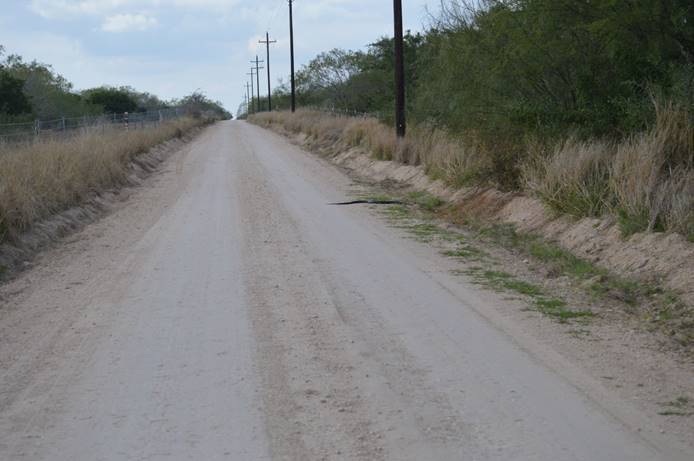
There in the road January, 8,

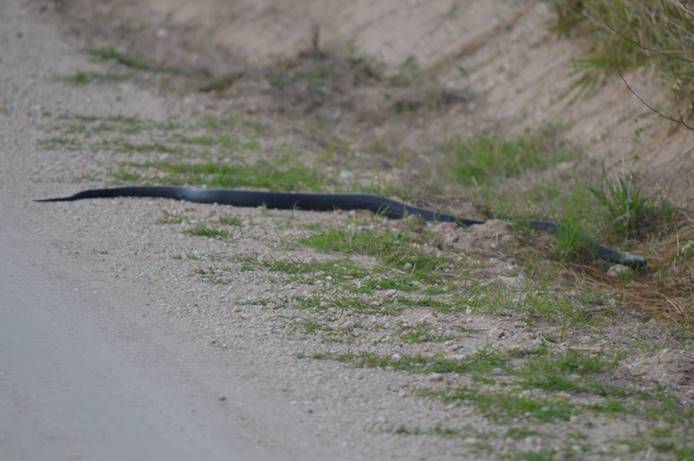
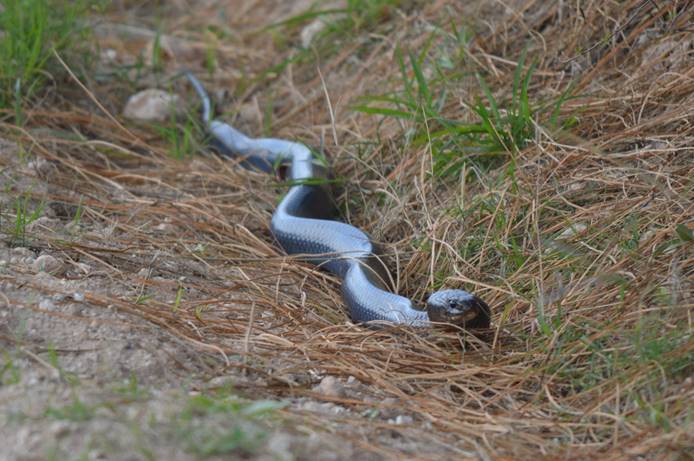
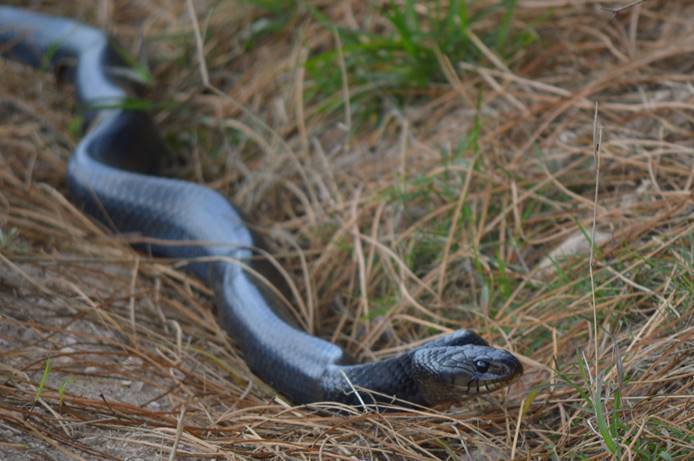
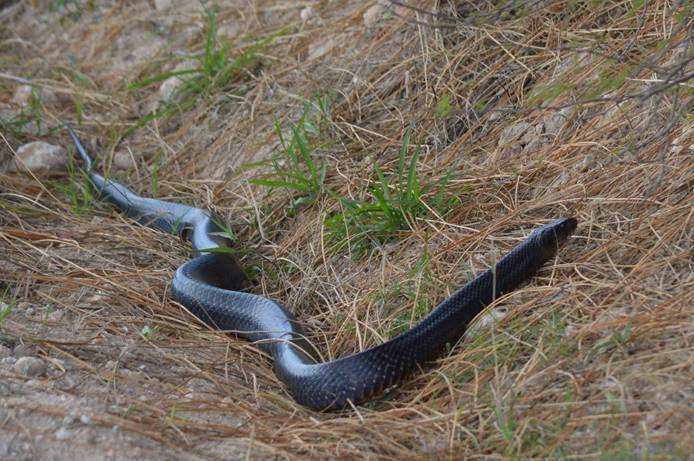
It’s aTexas Indigo Snake.

Native to Texas, they’ll eat almost anything that moves, including rattlesnakes!

This one was only about 5 or 6 feet long.  They’ll get as long as 8 feet!

Harmless to humans, they just go on their way.

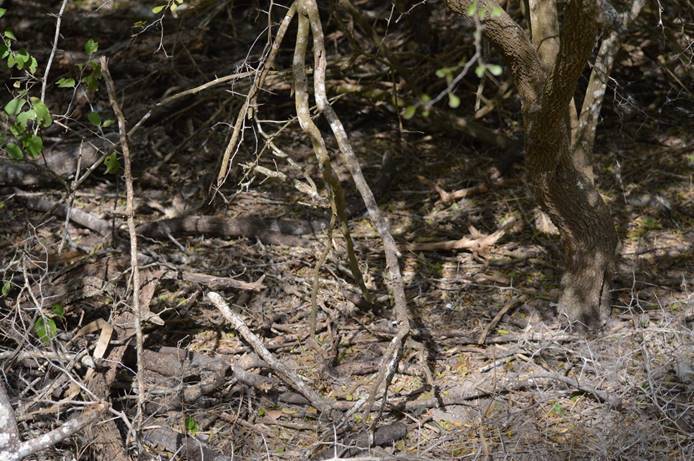
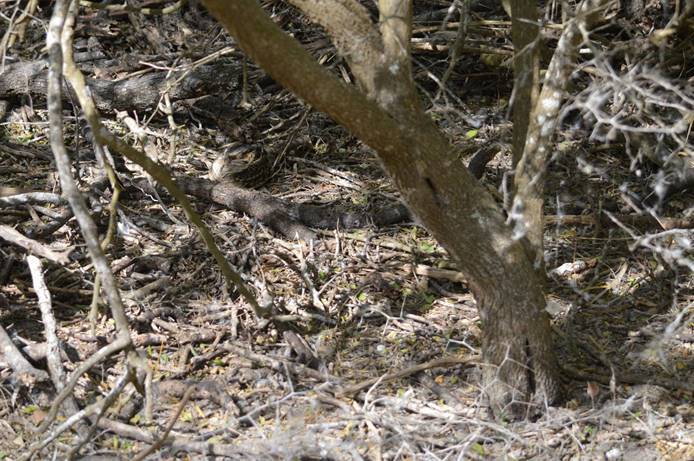
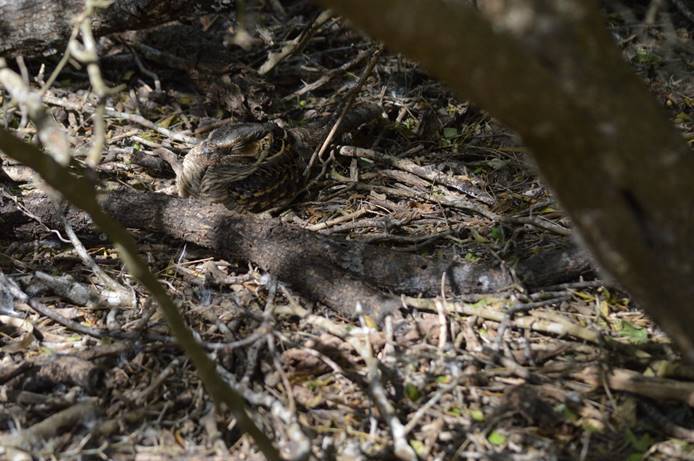
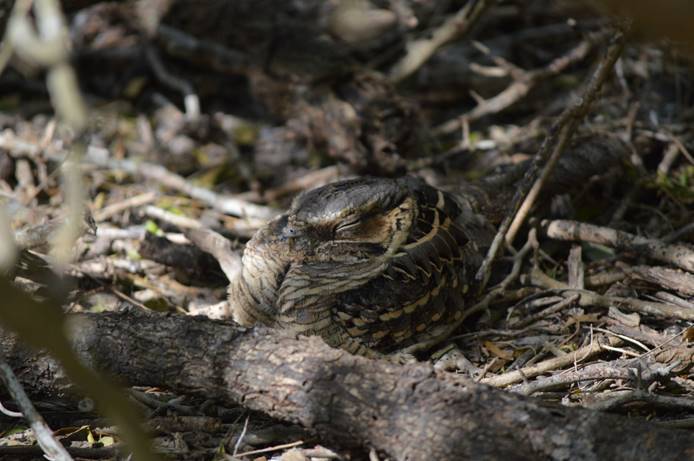
Can you find the January, 7,

Sleeping Pauraque

Too easy?

Too hard?

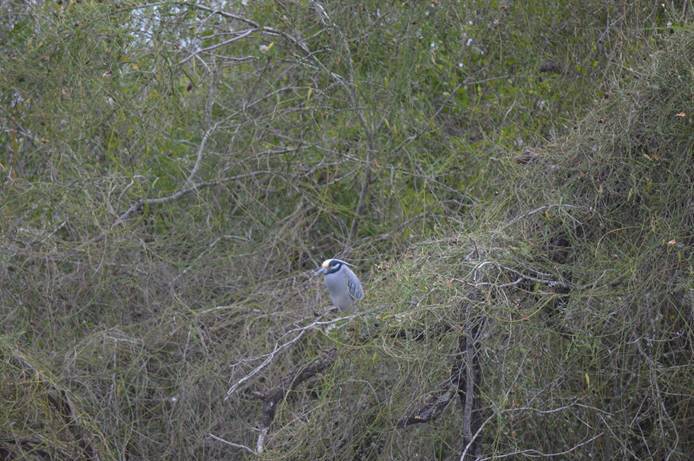
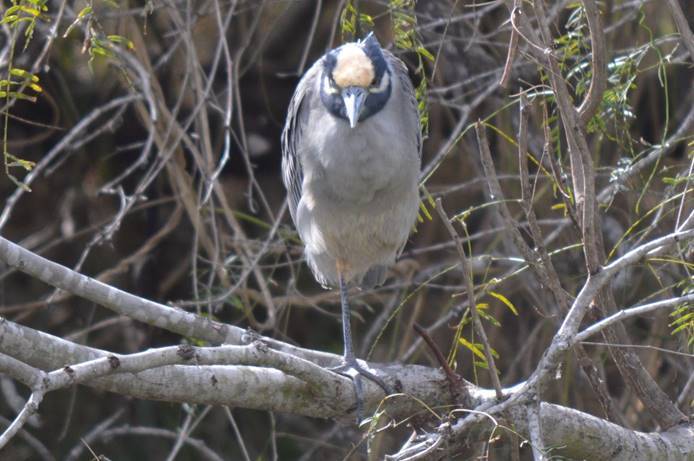
We could try a different bird.  Can you find the yellow-crowned night heron in this picture?

Here is a clue on the pauraque.

And another.

And the close-up.

And here is a clue on the night heron.