What’s the deal with Mercury


It’s a toxic heavy metal.  A neurotoxin.  It gets in the ocean and attaches to dissolved organic matter like decomposing plants and animals.  Microorganisms and minnows ingest the decomposing plants and animals and accumulate mercury.  Bigger critters eat the smaller critters.  Mercury is cumulative.  The top predator fish have in their systems all the mercury from all the smaller critters they’ve eaten; a dramatically larger amount of mercury than what’s naturally in the surrounding environment.


Too much mercury is bad for us so we should limit our mercury consumption.  Our primary mercury source is seafood.  The worst fish we can eat is a large predator fish like tuna.  I love tuna.  Freshly grilled tuna.  Baked tuna.  Tuna right out of the can.  Tuna salad.  Tuna salad sandwich on buttered toast.  A scoop of tuna salad in a sliced avocado.  Grilled tuna salad sandwich with cheese.  Tuna casserole.  I love tuna!  Grew up on it.


I googled how often we should eat the kind of tuna Judy and I eat, to minimize our risk of overexposure to mercury.  Google said one serving every nine days.  What?  I’d rather eat it every day.  Is tuna primarily a danger to the development of young minds and bodies?  For me, that ship has already sailed.  Sitting in class, not paying attention to the instructor, but playing with the mercury drops one of the kids got by breaking a thermometer; liquid beads of room-temperature molten metal rolling about on a piece of paper, fascinating.  Not only that, but if you get it on your fingers and massage it onto the surface of a dime, that dime will shine brighter than it ever did when it was new!  Do you suppose I’ve absorbed at least my fair share of mercury?  Yeah.  That ship has already sailed.  Without a lifeboat.  Whatever damage could be done to my development has already been well done.


Is there a danger of excess mercury consumption for a senior citizen?  If I eat too much tuna now, will I suddenly go senile (quicker), or suffer some other life altering malady?  I don’t know.  If there is no immediate danger, beyond whatever damage is already done, I sure would love to have at least one serving of tuna salad waiting for me in the fridge every day for the rest of my life.  What is one to do?


Lets say I’m from Mars


I’m observing life on planet Earth and I’m watching coverage of the prosecutions for the January 6th assault on the capitol.  I’m wondering what’s up with that.


For a failed military coup, would we earthlings jail all the offending soldiers and let the generals, the people that ordered them to try to take the capitol, go free?  That wouldn’t make any sense.


In criminal prosecutions, I see an approach that doesn’t just go after the “little fish”, but uses them to go after the “bigger fish”, the ones higher up the food chain, the ones that actually caused the criminal action to happen.  That makes some sense.  Get to the root of the problem.


How is it then, that for the January 6th attack, all the horror, outrage, and prosecutions are directed at the foot-soldiers that carried out the act, and not the people who stayed at a distance, organizing, encouraging, inciting, and essentially ordering the act?


This man from Mars is confused.


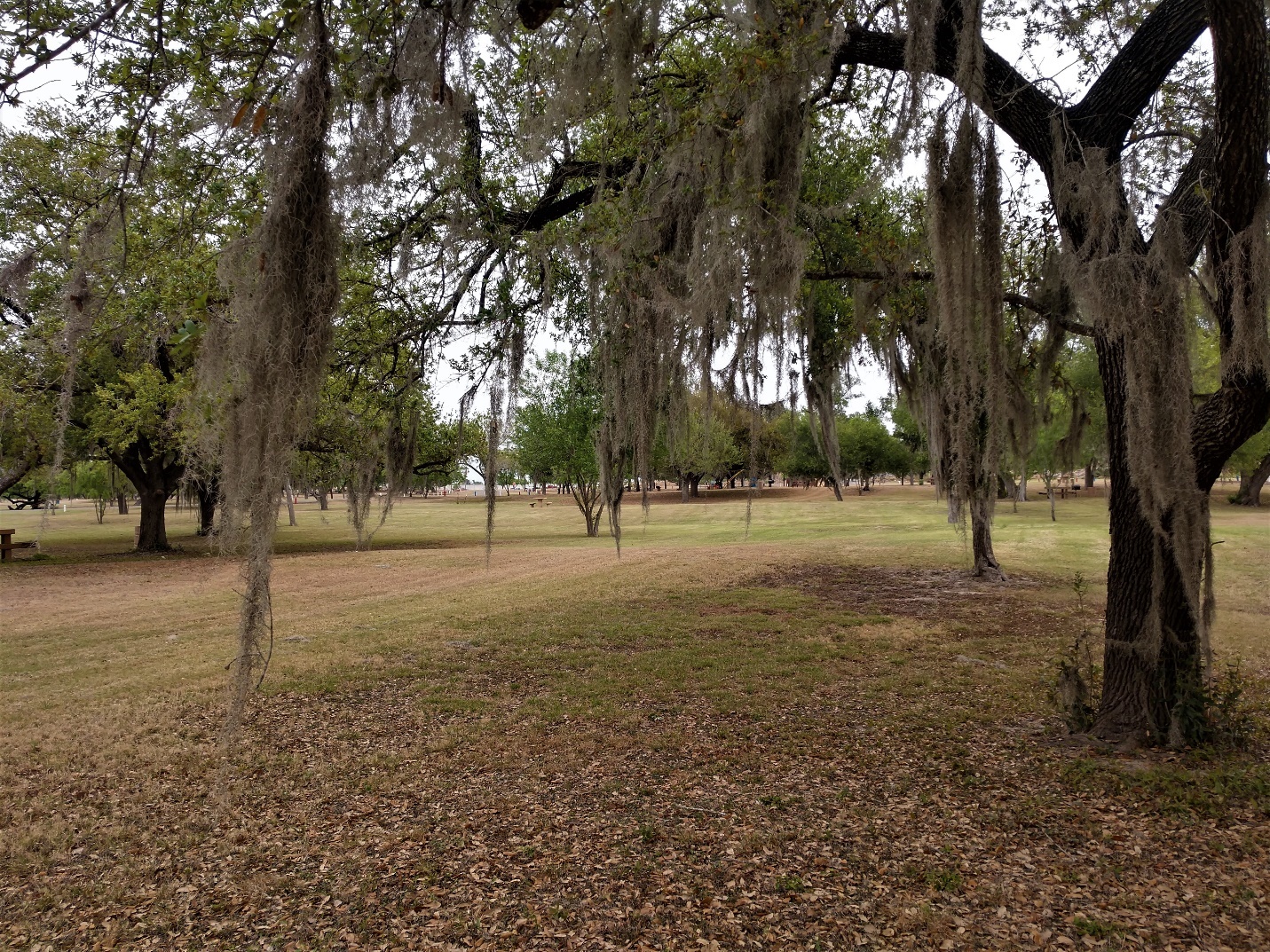
Anzalduas Park


Anzalduas Park

… is open again!


It closed in March of last year due to Covid.


But when other places, other parks, started opening again, Anzalduas remained closed.  Without explanation.  There was plenty of activity there, but it was all Border Patrol and military.  Didn’t know if we’d ever get that park back.  For a year we’ve been checking on it every month or two and getting turned around.  Delighted to get to walk there again.


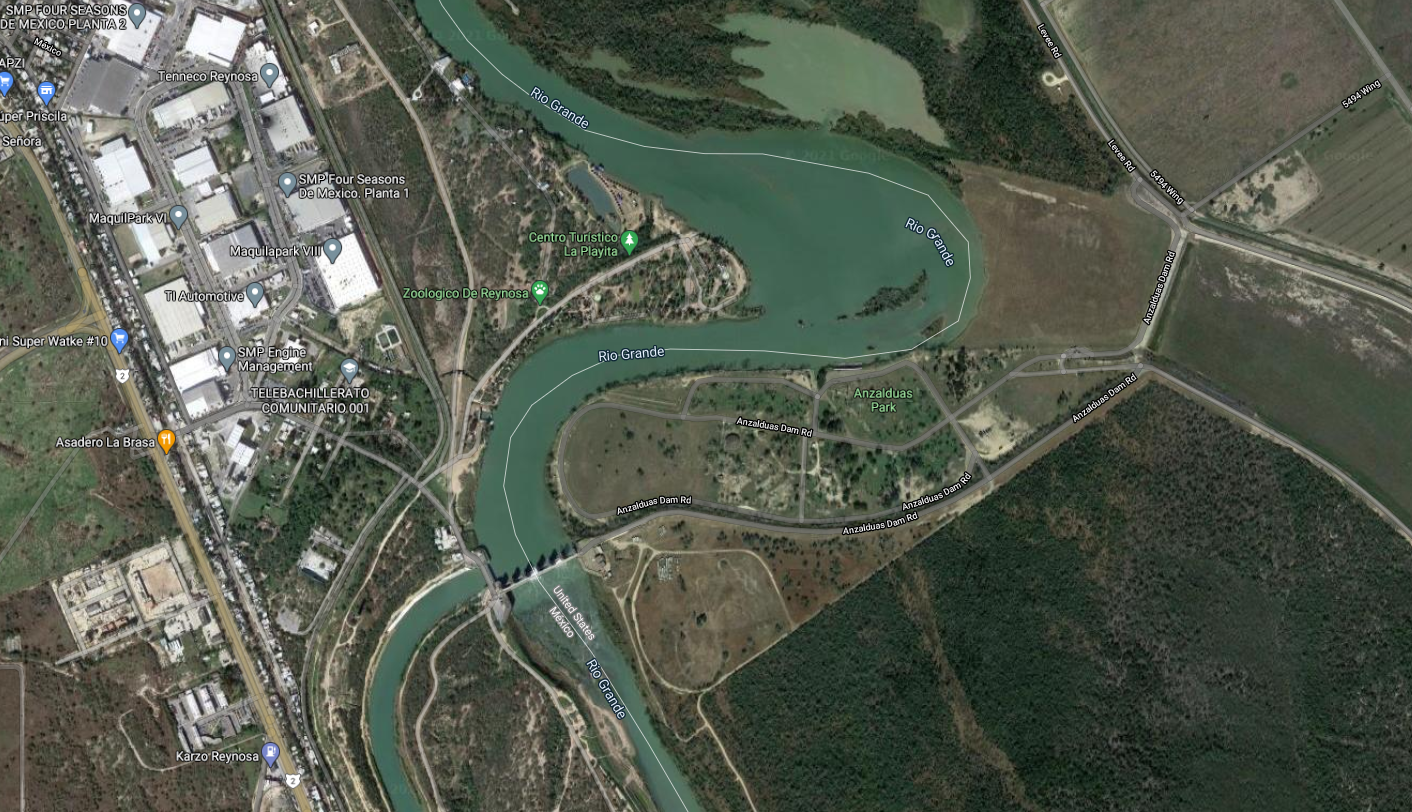
It’s located on a bend in the river; just south of the border and north of the border at the same time.


https://www.google.com/maps/@26.1409637,-98.3321546,1875m/data=!3m1!1e3


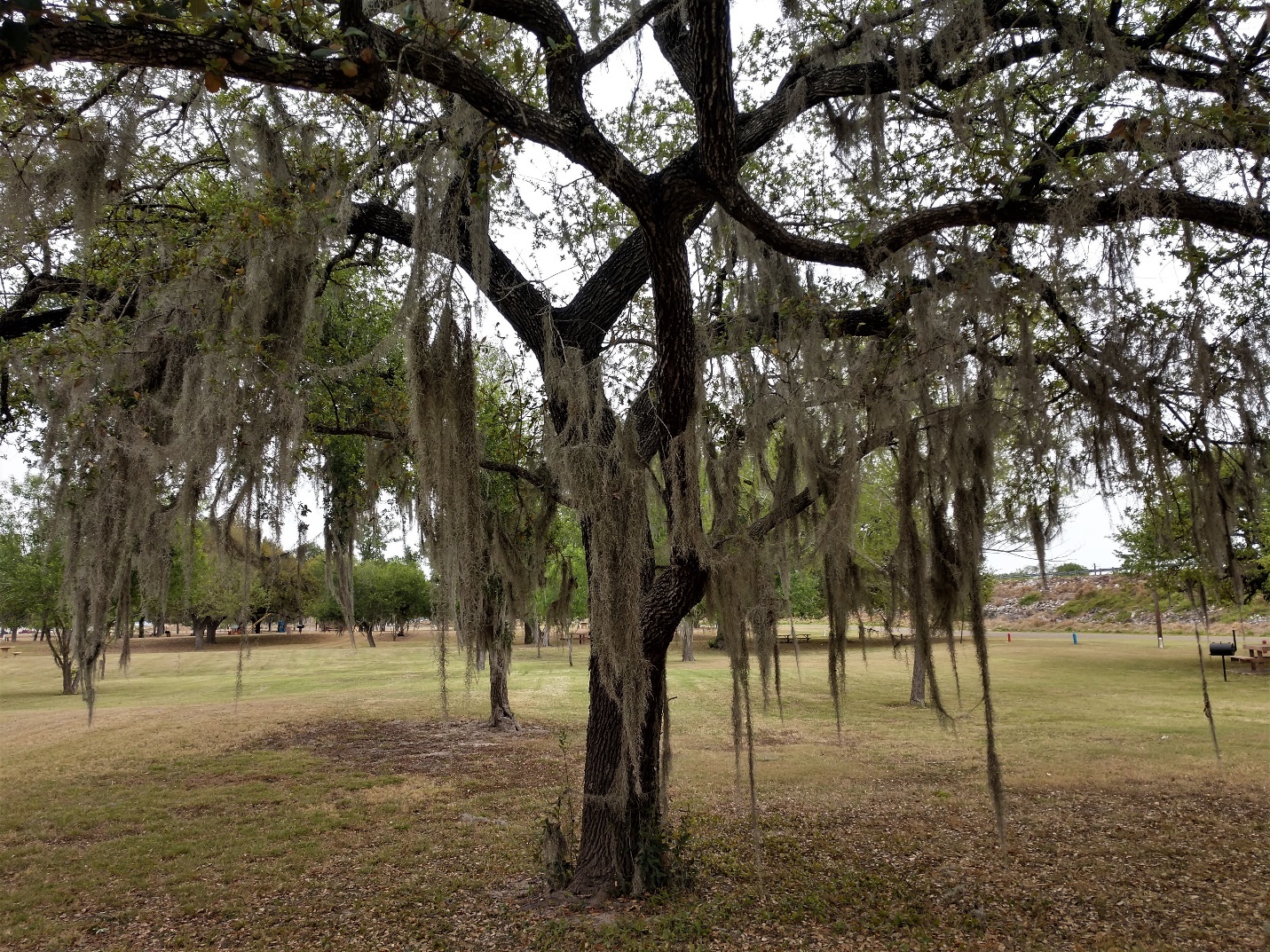
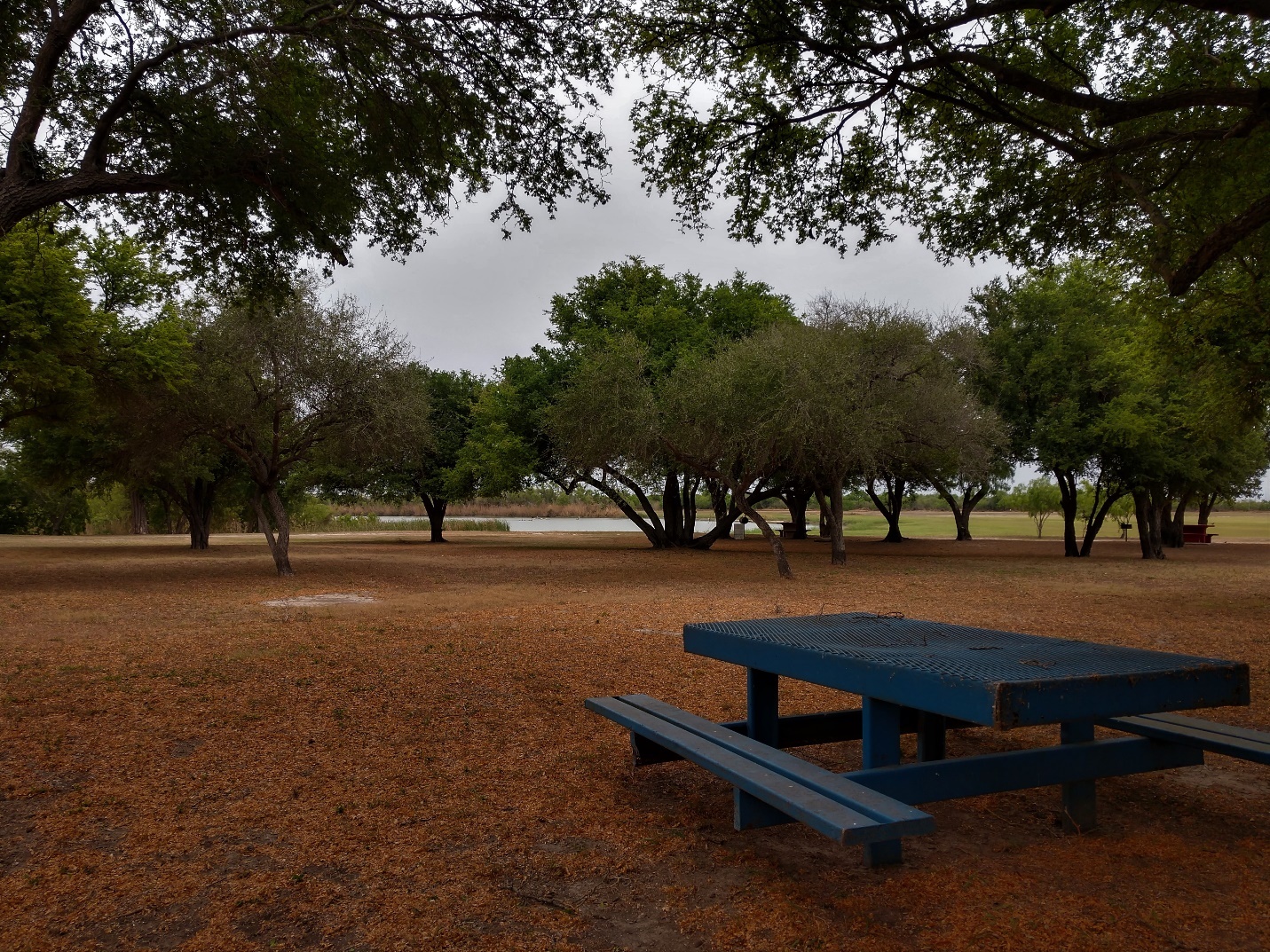
Majestic oaks.


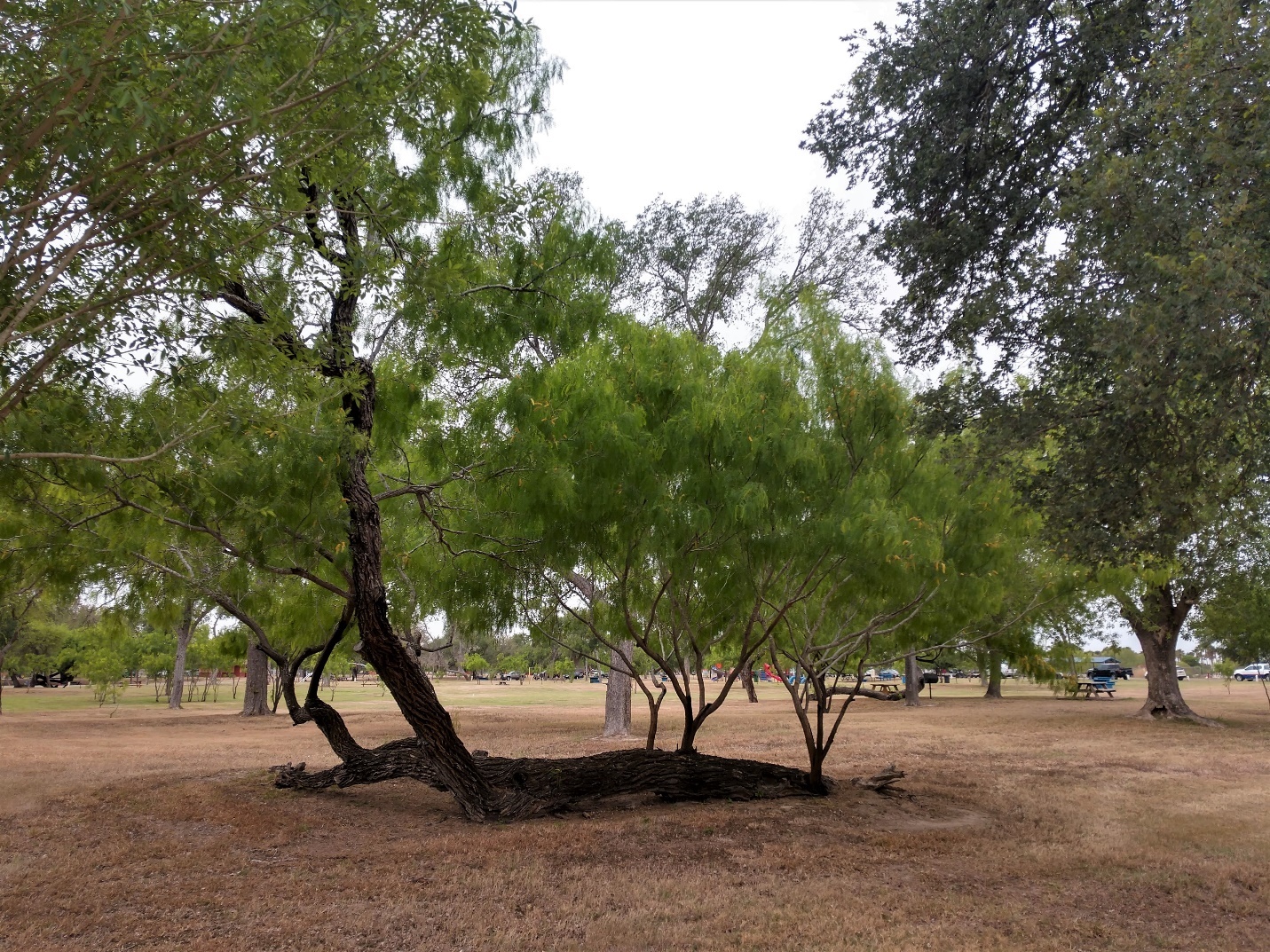
And this tree, this honey mesquite, the epitome of determination.  Blown over, completely on its side, the branches forming new crowns.


Killdeer epiphany

Brother Tom sent these pictures of a Killdeer egg. It’s easier to spot a Killdeer egg in dirt than in gravel where Killdeer eggs are usually laid, but still, it’s hard to spot. That got me thinking about a lesson learned several years ago. A friend of ours found a Killdeer nest right in his gravel driveway. He knew where it was and could drive around it, but he didn’t want anyone else to drive in and accidentally run over it, so he got some little landscaping flags on wires you use to mark where sprinklers are. He marked out where the nest was to protect it…… The next morning he found the nest destroyed. The raccoons found it and ate the eggs. The next year, Judy and I were in the KOA in Cortez and encountered the same situation; a killdeer nest in the campground gravel road. No-one had driven over it yet, but it seemed just a matter of time. I gathered up some stones and marked the spot of the nest with little river-rock cairns. That’s when I got the epiphany. The reason the other killdeer eggs got eaten was because something was done to protect them. Something unusual was next to the nest, which invited the raccoons over to investigate. I went back and scattered the stones. I removed the invitation for the unintended consequence.