I’ve been thinking


We’ve spent all year staring at our backyard except when we’ve gone out in the bus to some state parks.  Staying at home is okay, and it’s the safe thing to do, but it got lethargic.  Not doing anything was draining.  The less we did, the less motivated I was to do anything.  I need a project.


I’m thinking about doing another Big Year.  In 2019 we did a Big Year by going everywhere we wanted to go and paying attention to what birds were around us while we did that.  We netted 500 species.  I’m thinking if we flipped that strategy and went places specifically to see birds, and incidentally enjoyed ourselves, we could do better than 500 species.  Maybe we could see 600.


Two problems.  First, Covid isn’t gone yet, a Big Year would require flying and staying in hotels, and we’re not ready to fly and stay in hotels again yet.  Second, given that every different kind of bird has its own range map of where it is when, that’s a big logistical challenge to figure out a reasonable travel schedule that puts us where we need to be when.


Two solutions.  First, don’t do the Big Year until 2022.  Problem solved.  We’ll be free to travel by then.  Second, split the Big Year challenge into two parts.  Figure out which birds we can get in Texas before we start flying all over the country.  Do a Big Texas Year in 2021 to perfect our approach.


There are a lot of species that have been seen in the US at one time or another.  The count is somewhere in the 900s.  A lot of those are incidental odd accidents though.  As far as birds we can actually expect to find, the count is more like 800 birds.  If our target is to find 600 species in one year, that seems doable.  (The record Big Year for North American birds is 750 or so.  I think that was before they added Hawaii to the ABA area.)


If our target is 600 birds, we should be able to hit that number without life-altering moments-notice trips (and financial ruin) to chase down every rare exotic bird sighting.  Well, given a target of 600 birds, how many of those might we expect to find in Texas?  I know 500 is doable, because our friend Jon has done it.  I think if we set our sights a little lower, like 400 for Texas, we could knock 400 birds off our count, without leaving the safety and comfort of our motorhome.  If we get 400 species in Texas, that only leaves 200 birds outside of Texas that we need.  That’s not such a daunting logistical task for the airplane and hotel part of the effort in 2022.


So there we have it.  We do a Texas Year in 2021, starting in a little over two weeks, with a target of 400, as practice for a Big Year the next year.  The planning has begun.  I’m mapping out which birds only go as far south as Northern Texas in the winter.  We’ll have to go up around Lubbock and Amarillo to get those.  And which birds only go as far north as Southern Texas in the summer.  We’ll have to be in South Texas for those.  For the migrants, we’ll have to be along the coast in April to get all we can on their way north, then again in September to pick up any we missed in April as they work their way back south.  West Texas will provide the desert birds that only go that far east, and East Texas, the eastern birds that only go that far west.  We’ll fill in with the year-round birds whenever we have the chance.


That’s our plan.


Quinta Mazatlan


That historic adobe mansion in McAllen.


http://www.quintamazatlan.com/visitors/default.aspx


Quinta Mazatlan on the map


And surrounding grounds with nature trails.


Some decorated for the Holidays.


And part of it set up for an outdoor event today.


Fox squirrel.


Black crested titmouse.


Clay-colored thrush.

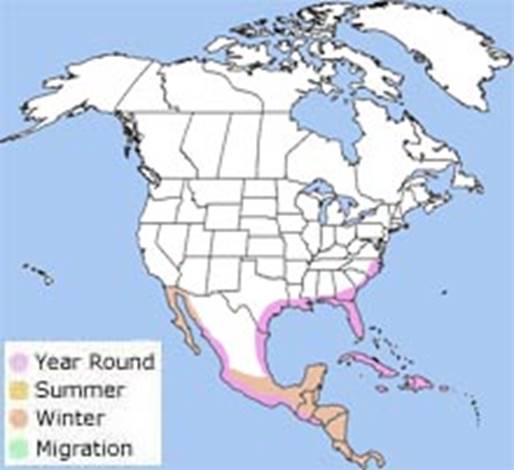
The clay-colored thrush is a close relative of the American robin, but without the wide distribution.  Not commonly found in the U.S., except right here.  This is a range map for the thrush.


And one more South Texas specialty, the crimson collared Grosbeak.  Not commonly found even here.


I got a quick glimpse of a female that has wandered our way.


One shot and it was gone.  A better photo of it would have looked like this.


Males are more dramatic.


But I’ve never seen one.


Home again at Sandpipers


Random photos from the trip.


A Lincoln sparrow and female cardinal.


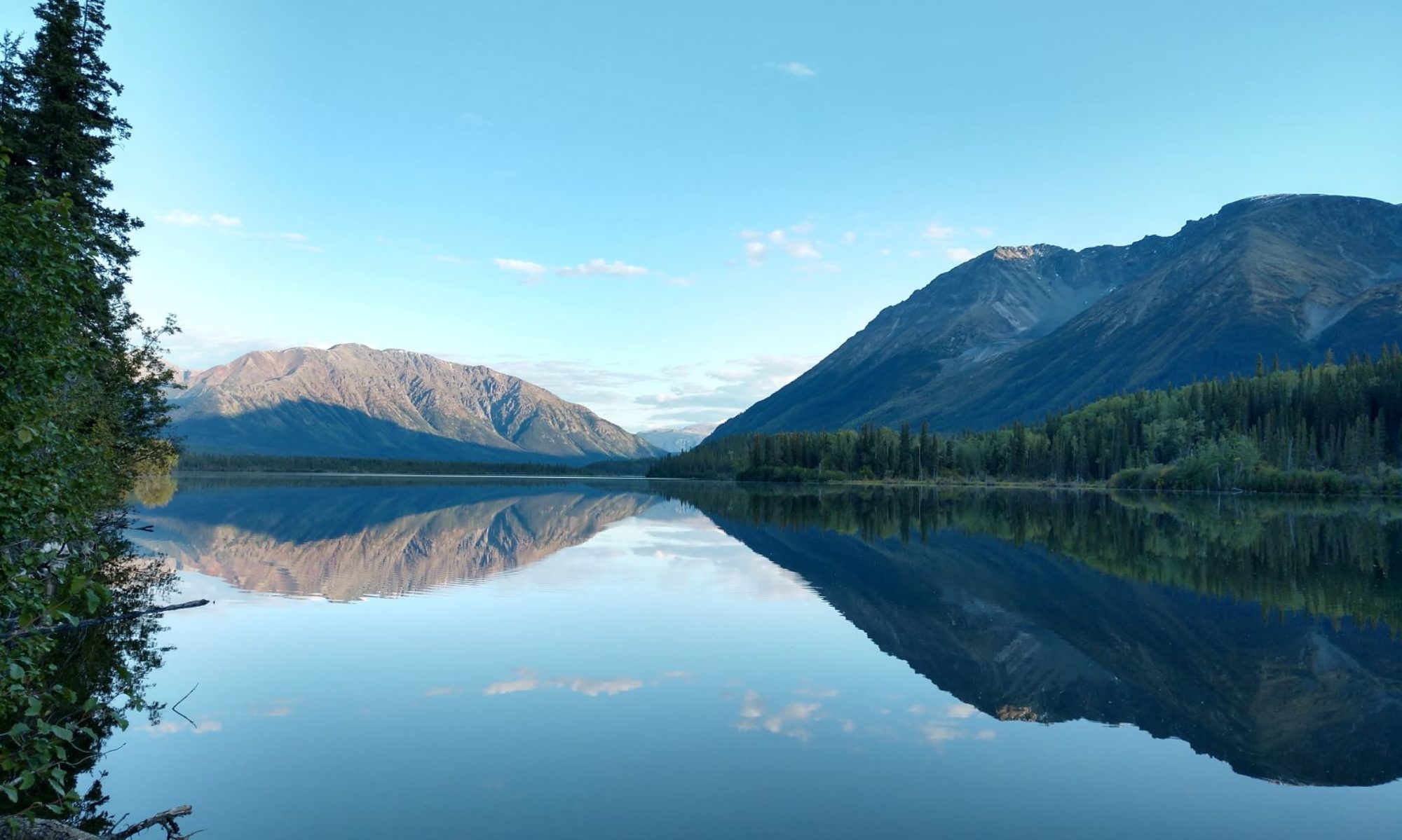
Reflections.


This is what wild pigeons normally look like.  Coincidentally, this is exactly what homing pigeons look like too.


Here is a red one.


I always liked red colored pigeons.  When I was fifteen, and raising pigeons, I had one.  Dad used to take the homing pigeons off to work with him and let them go from progressively farther away while I waited at home for them to come back.  That worked out pretty well.  Most of them came back.  I think we got as far as 20 miles away, which is actually a pretty simple challenge for a homer.  They can find their way home from hundreds of miles away.


A red shouldered hawk, I think.


The Morning View


We had to lower the shades for morning coffee, the sun was so bright, but we powered through.


Did the round trip to Corpus today.


https://www.google.com/maps/d/u/0/edit?mid=1UDWCRPxwTpvIKAUhAJNTaLQqbQA-E3eI&ll=28.07869872231538%2C-97.34202381904855&z=9


Remembered to drop off the batteries we brought up for recycling.  Had our Snoopy’s lunch.  Saw an American Oystercatcher.  Took the little car ferry from Port Aransas to Aransas Pass and back to Goose Island.


Here is what the ship channel looks like from Charlie’s Pasture.


Charlie’s Pasture


Afternoon happy time at the birding center.


Birding Center