We did not take this owl picture

  We can’t take credit for it. What we did do, is have a visit with a traveling birding couple we ran into at Bentsen Rio Grande State Park, and tell them how to find the owl.  Local knowledge that would never show up in a guidebook.  They found the owls and he took some awesome pictures, sharing this one with us. He leads photography and birding tours in China. http://craigbrelsford.com/  

Death gets a bad rap

 We justify all sorts of things by how many lives they each save; as if that’s a good thing.  We eliminate smallpox and save a million lives.  We improve treatment for heart disease; another million saved.  We improve safety standards and 250,000 less people die in car crashes.  C’mon people.  We’re all designed to die.  We want to keep on living, but we can’t extend life indefinitely.  If we all just keep on living, we’ll continue cluttering up the planet and *really* screw it up. We have to let go of important things in our lives.  We have to leave special times; special places.  We have to let our kids go when it’s time for them to move on; we have to watch loved ones go when their time is up. We don’t really have a choice in this.  Sooner or later, it’s going to be our time.  If we’re fortunate enough to get to that point where we recognize it’s the end, our final challenge is to let go of our own lives when it’s time; even if it doesn’t *feel* like time.  

Last year

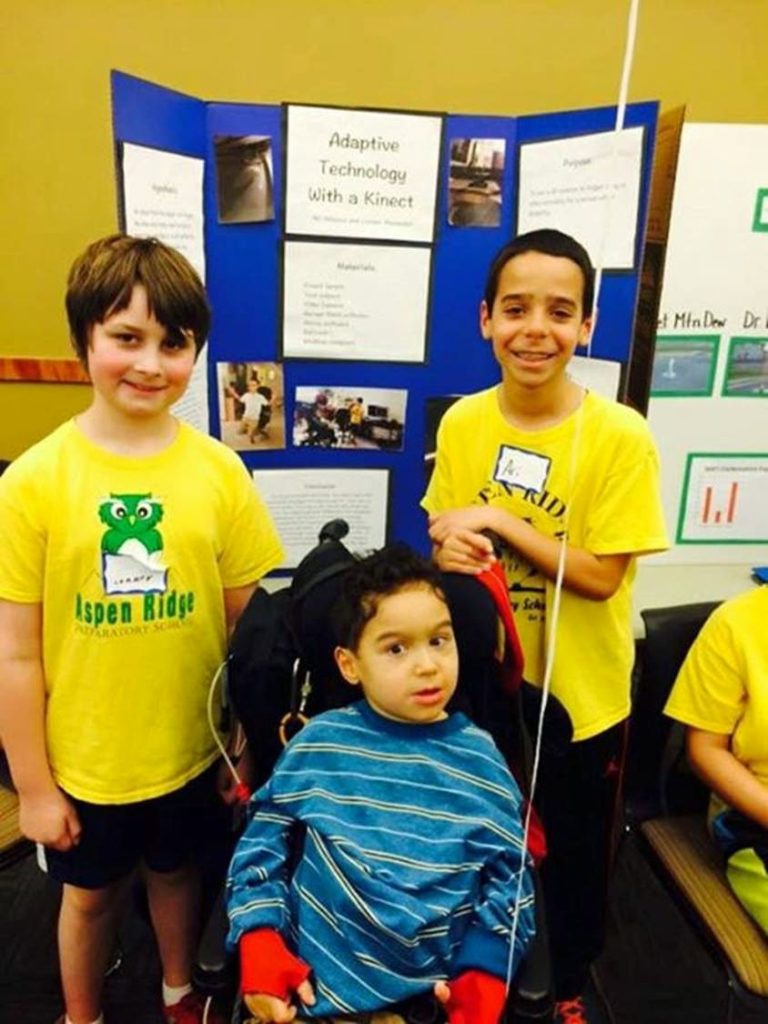
 Conner and his friend Ari did a science fair project.  They were 9.  They built and tested a “Death Ray” made by concentrating sun rays with four different magnifying glasses.  They took first place.  They went on to regionals and got honorable mention. This year, now they’re 10.  They entered again.  This is Becky’s report. They did a project designed to help children with special needs.  They hooked up a 3D scanner to a computer, and with some help from Brian, set it up to look for arm movements.  They made a video of falling balloons, and set it to music they made using a program called "Garage Band".  They then took Ari’s brother, who has a genetic disorder that includes severe developmental delays, and taught him (over the course of 3 different days) to use the program.  When Paul would move his left arm, it would turn the movie on.  When he moved his right arm (or after 10 seconds of no movement), the video turns off.  They tracked the number of times he triggered the video on and off, at two different sensitivities (as in how far Paul had to move his arm to trigger the video), to see if he got better at using it over time.  The hope is that a program like that could help children with special needs learn cause and effect, and encourage them to move in a more deliberate and purposeful way.

They came up with the idea, and did all of the parts except programing the framework (they did do part of the programming, told the program what movements to look for, set the sensitivity of the program, made the video, set it to music, and added that to the program).  Their board is cool, and their presentation to the judges was awesome.  The first judge to see them told them "they set the bar so high he couldn’t see how any other project could possibly compare".  They also ended up presenting for more judges than the other kids, because some judges who weren’t assigned to them wanted to come see it.

The really cool part – on the third day of testing, Paul "got it".  You could see him thinking, moving his arm, smiling when the video turned on, looking mad when it turned off, and then turning it back on again.  His mom and I were both tearing up at that!  That’s a big deal for him!  Conner and Ari have also gotten requests from a couple of people who work with kids with disabilities who would like to try using the program with their own students.  Conner and Ari both think it’s a great idea, and Brian is going to try to get the program to a more usable state so that it can be shared. Brian and I (and Ari’s folks) are all so proud we can’t even stand it! You can add grandparents to that list of proud.